Archives for January 2024

Enhancing Concrete Strength

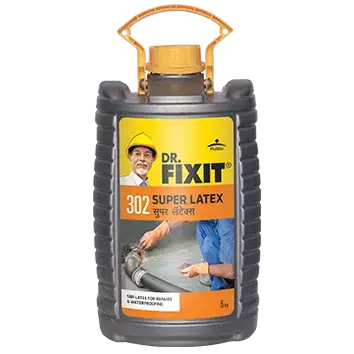
In the realm of construction, durability and longevity are paramount. Whether it’s a foundation that supports towering structures or the framework of a humble home, the integrity of concrete is non-negotiable. In this pursuit, the choice of admixtures becomes pivotal, and among them, Dr Fixit Pidiproof LW+ emerges as a game-changer.

The Power of Dr Fixit Pidiproof LW+

Dr Fixit Pidiproof LW+ is not just another waterproofing admixture; it’s a solution designed to fortify concrete from within. Unlike conventional control mixes, which merely provide surface-level protection, Pidiproof LW+ penetrates deep into the concrete matrix, ensuring comprehensive waterproofing from the inside out. Let’s delve into why this is indispensable for every construction project.

Advantages Over Normal Control Mixes

  1. Integral Protection Pidiproof LW+ integrates seamlessly with concrete, forming a robust barrier against water ingress. This prevents the onset of corrosion, thereby enhancing the longevity of structures.
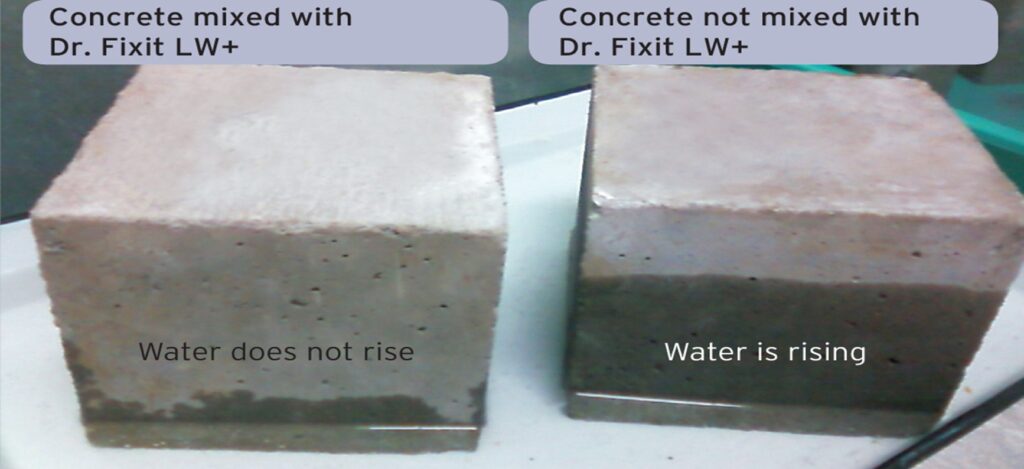
2. Reduced Permeability: By filling pores and capillaries within the concrete, Pidiproof LW+ significantly reduces permeability. This not only guards against water penetration but also mitigates the risk of cracks and deterioration due to freeze-thaw cycles
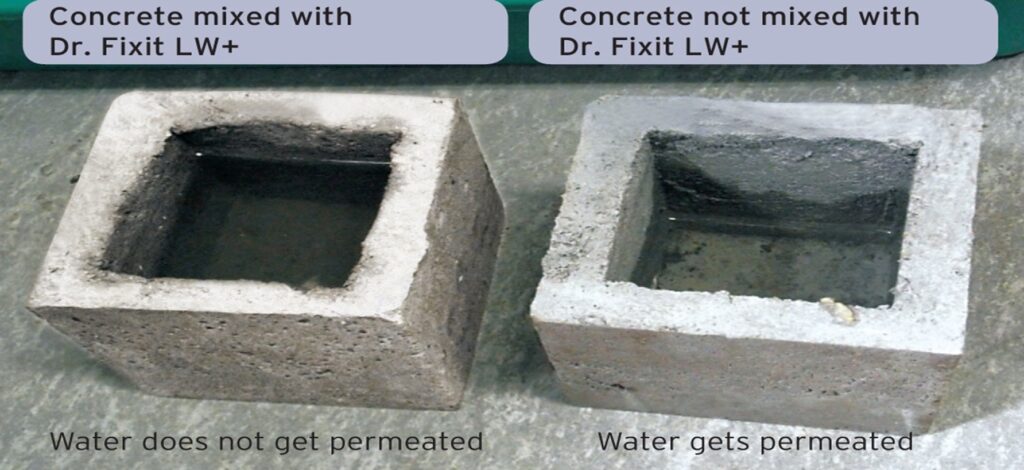
3. Enhanced Strength: The admixture’s unique formulation improves the cohesive properties of concrete, resulting in higher compressive and flexural strengths. This translates to structurally sounder constructions capable of withstanding diverse environmental pressures.

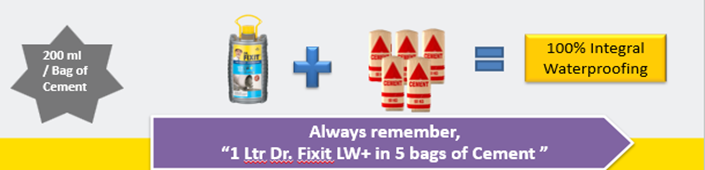
4. Ease of Application: Incorporating Pidiproof LW+ into concrete is a hassle-free process, requiring no additional equipment or labour-intensive procedures. Simply add 200 ml per 50 kg bag of cement during batching to unlock its benefits.
 Pack Sizes for Every Need

To cater to varying project scales, Dr Fixit offers Pidiproof LW+ in a range of pack sizes:

  • 200ml: Ideal for small-scale projects or for testing purposes, this compact size ensures minimal wastage.
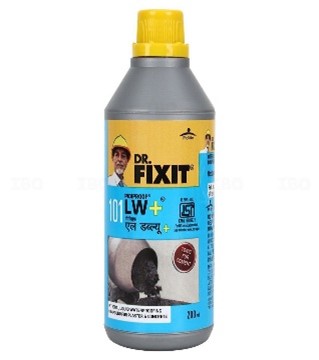
1L & 5L: Suited for mid-sized constructions, these packs strike a balance between economy and convenience.
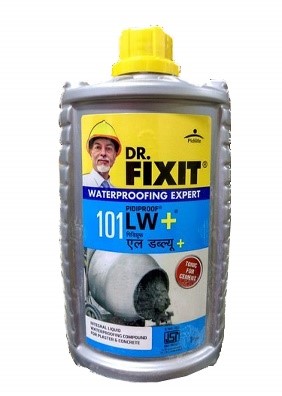
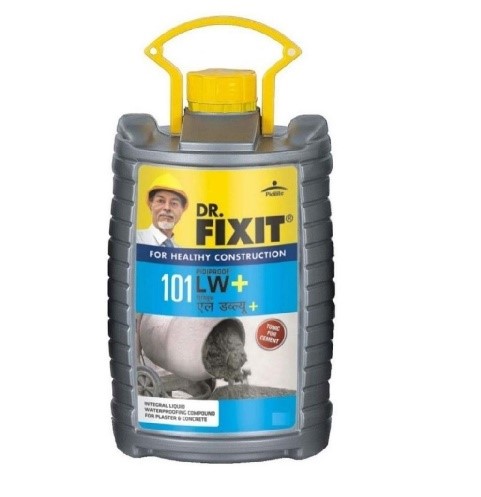
20L: Catering to larger ventures, this size is perfect for ongoing projects where a steady supply of admixture is essential.
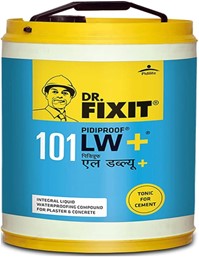
100L: Tailored for industrial or commercial undertakings, this bulk option provides cost-effective waterproofing solutions on a grand scale
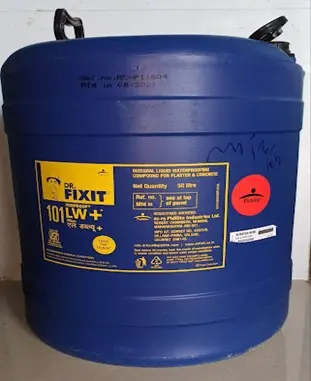
GreenBuild has got you covered

At GreenBuild Waterproofing Solutions, we recognize the significance of leveraging cutting-edge solutions like Dr Fixit Pidiproof LW+ to elevate construction standards. As your trusted construction partner, we offer comprehensive support and guidance on the optimal usage of Pidiproof LW+, ensuring that your projects stand the test of time.
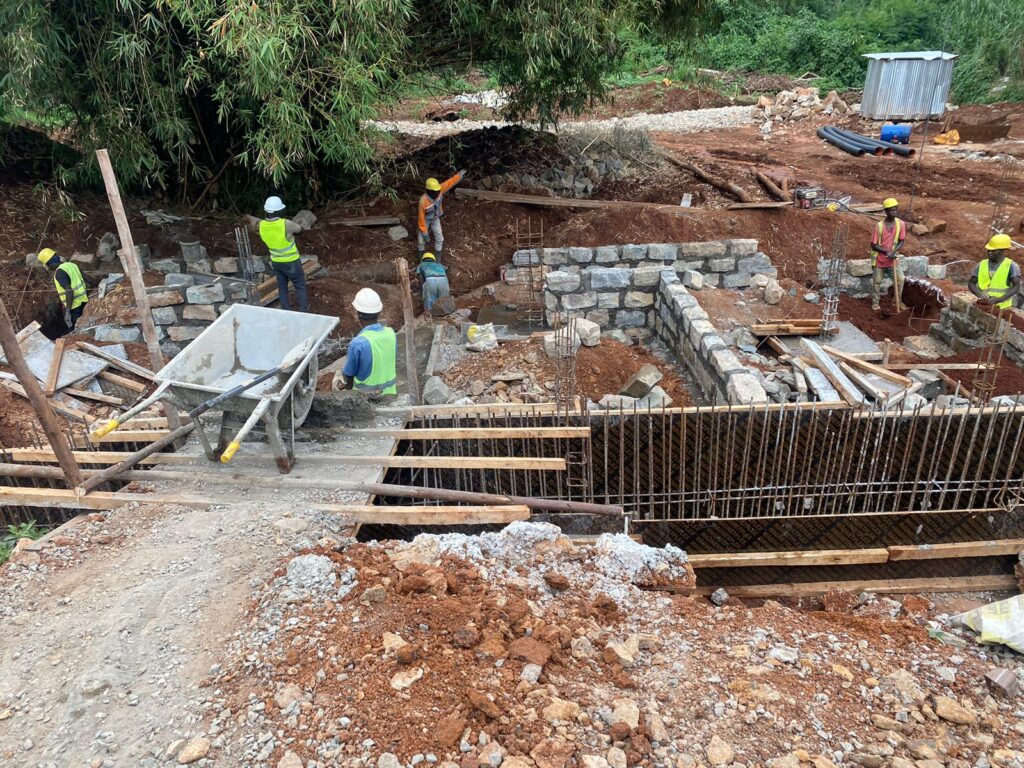
The decision to incorporate Dr Fixit Pidiproof LW+ into concrete mixes transcends mere waterproofing; it’s an investment in the durability and resilience of structures. With its proven efficacy, ease of application, and diverse pack sizes, Pidiproof LW+ sets a new benchmark for integral waterproofing admixtures, paving the way for safer, stronger, and more sustainable constructions.

Check out our product catalogue for more options.
Read more

DIY or Professional?

In the realm of home improvement and construction projects, the choice between a do-it-yourself (DIY) approach and seeking professional assistance is often a crucial decision. It’s a choice that goes beyond a mere cost comparison; it involves considering the intricacies of the project, the potential risks, and the long-term benefits. 

In this article, we’ll delve into the age-old debate of DIY versus professional services, unveiling the secrets that can guide you towards making the right choice. 

The Temptation of DIY

Embarking on a DIY project can be tempting. The internet is brimming with tutorials, and hardware stores are stocked with tools and materials, making it appear as if anyone can take on complex projects with ease. While there’s a sense of accomplishment in tackling tasks on your own, it’s essential to recognize the limitations and potential pitfalls.

1. The Hidden Complexities

DIY tutorials often simplify the process, making it seem straightforward. However, many projects, especially those involving waterproofing, building restoration, or epoxy flooring, can harbor hidden complexities that may not be apparent until you’re knee-deep in the process. Professional expertise can preemptively address these challenges, ensuring a smoother and more effective execution.

2. Time and Effort 

DIY projects demand a significant investment of time and effort. What may seem like a weekend endeavor can easily turn into weeks or even months, especially for those new to the task. Professionals, with their experience and efficient workflows, can often complete projects in a fraction of the time, allowing you to enjoy the results sooner.

The Professional Advantage

Now, let’s shift our focus to the advantages of opting for professional services, with GreenBuild leading the way.

1. Specialized Knowledge

GreenBuild brings a wealth of specialized knowledge to the table. Our experts understand the nuances of waterproofing, building restoration, and epoxy flooring, ensuring that your project is executed with precision and expertise.

2. Quality Materials

DIY projects might involve using off-the-shelf materials, but professionals have access to high-quality, industry-grade materials that can significantly enhance the durability and longevity of your project.

3. Cost-Effective Solutions

Contrary to common belief, professional services can often be more cost-effective in the long run. GreenBuild offers transparent pricing and can prevent costly mistakes that may arise from a lack of experience.

4. Peace of Mind

When you choose the professionals route, you’re not just investing in a service; you’re investing in peace of mind. Our professionals handle every aspect of the project, from planning to execution, leaving you free to focus on what matters most to you.

Conclusion

As you weigh the pros and cons of DIY versus professional services, consider the intricacies of your project and the value of expertise. GreenBuild stands as a beacon of reliability, ready to guide you through the complexities of waterproofing, and building restoration. Make the right choice for your project, backed by the insights and proficiency that only professionals can provide. 

Read more

Choosing the Right Sealant for Your Kitchen and Bathroom

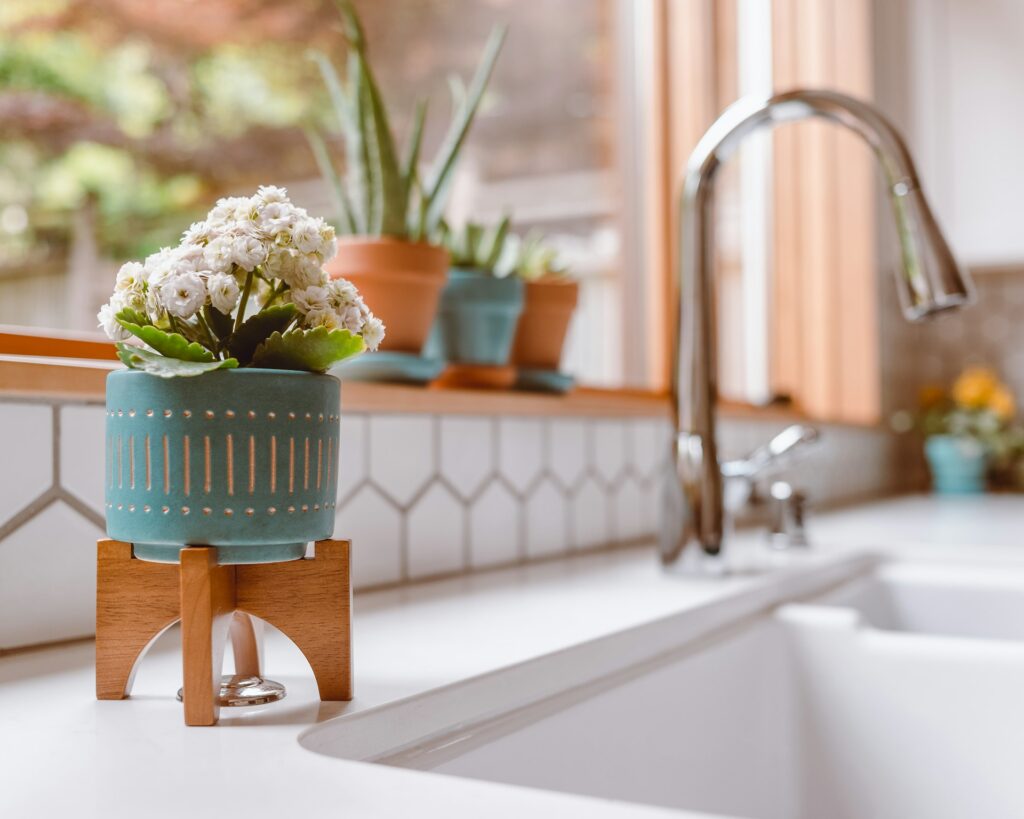
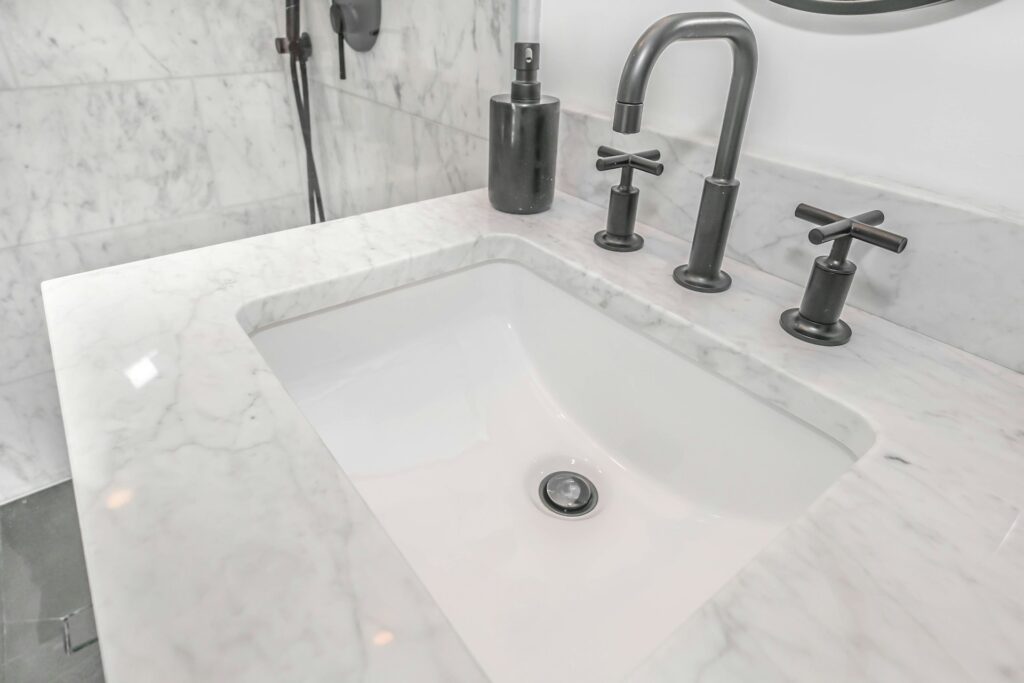
Let’s dive into the world of waterproofing sealants and exploring the key differences between Polyurethane (PU) and Silicone sealants, with a focus on their applications in kitchen sinks and bathroom joints. Let’s understand how these two sealants play a crucial role in protecting your spaces from water damage and ensure a durable, watertight environment.

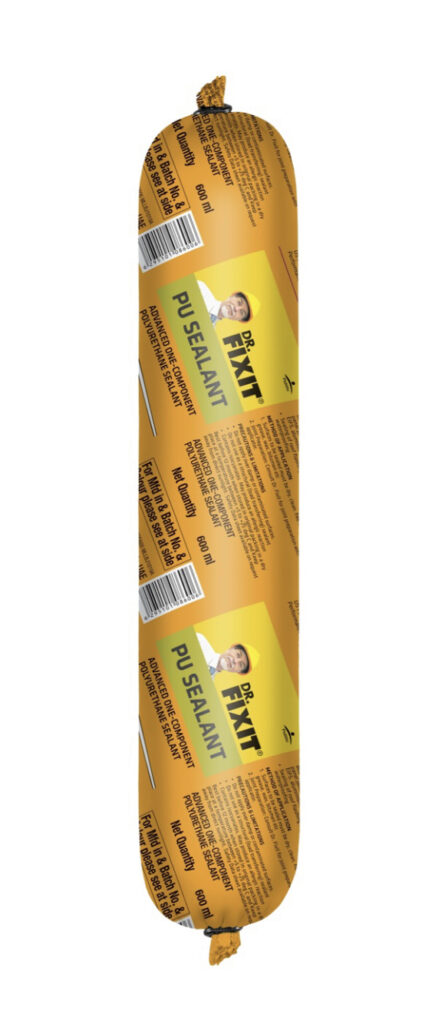
Polyurethane Sealant (PU)

Polyurethane sealants are renowned for their versatility and excellent adhesion properties. When it comes to waterproofing in wet areas like kitchens and bathrooms, PU sealants stand out for their durability and resistance to various environmental factors.

Flexibility and Movement

PU sealants are highly flexible, making them ideal for joints that experience movement, such as those in bathrooms and kitchens. As buildings settle and temperature changes occur, PU sealants can adapt without losing their bond, ensuring long-term effectiveness.

Adhesion Strength

PU sealants form a strong bond with various surfaces, including ceramics, glass, and metals commonly found in kitchens and bathrooms. This superior adhesion contributes to the sealant’s effectiveness in preventing water penetration.

Durability

PU sealants are known for their durability and resistance to UV rays, weathering, and chemicals. This makes them suitable for both interior and exterior applications, providing long-lasting protection against water ingress.

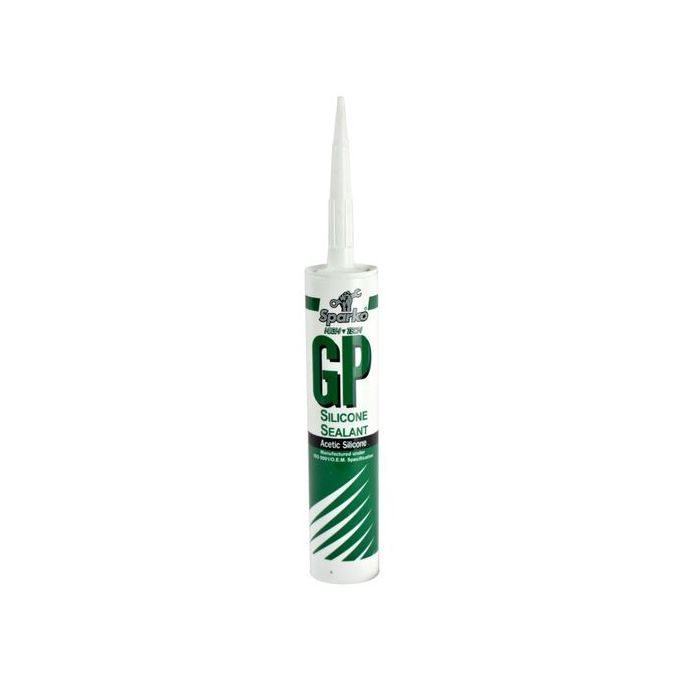
Silicone Sealant

Silicone sealants have been a staple in the construction and waterproofing industry for their excellent water resistance and ease of application. Let’s explore their key characteristics and how they fare in kitchen sinks and bathroom joints.

Water Resistance

Silicone sealants are inherently water-resistant, making them a popular choice for wet areas like bathrooms and kitchens. They create a watertight seal that effectively prevents water from seeping into joints and causing damage.

Mold and Mildew Resistance

Silicone sealants possess anti-mold properties, making them suitable for environments prone to high humidity, such as bathrooms. The resistance to mold and mildew ensures a cleaner and healthier living space.

Ease of Application

Silicone sealants are easy to apply, and their quick curing time allows for faster completion of waterproofing projects. This ease of application makes them a preferred choice for DIY enthusiasts and professionals alike.

Choosing the Right Sealant

While both PU and Silicone sealants offer valuable waterproofing solutions, the choice depends on specific project requirements. For kitchen sinks and bathroom joints, consider factors such as flexibility, adhesion strength, and resistance to movement and environmental elements.

Whether you opt for the flexibility of PU sealants or the water resistance of Silicone sealants, GreenBuild Waterproofing Solutions has you covered. Our range of high-quality sealants ensures that your kitchen and bathroom spaces remain dry, safe, and protected for years to come.

Reach out to GreenBuild Waterproofing Solutions, your go-to partner for waterproofing excellence in Kenya!

Read more

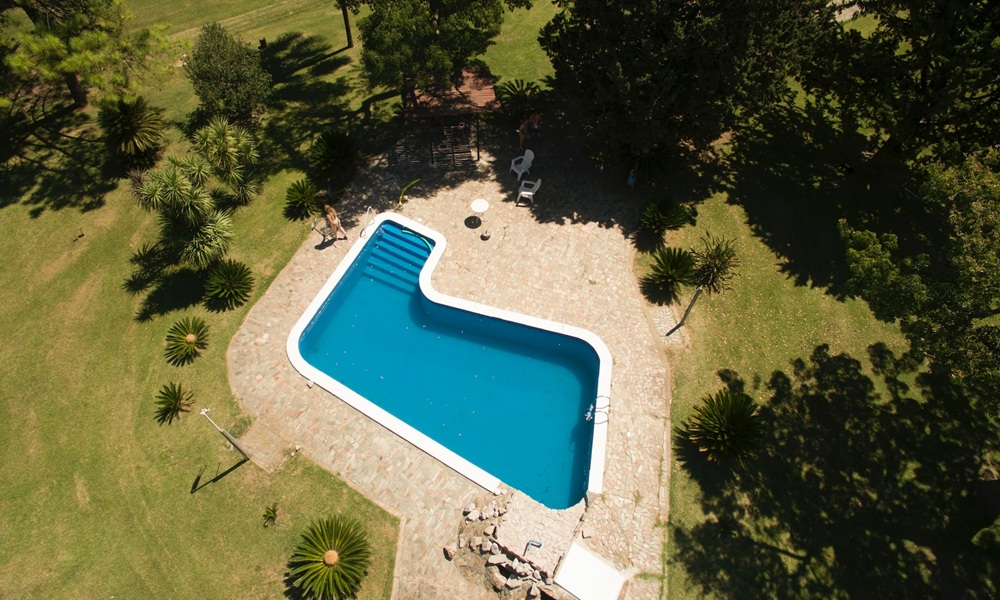
Uncovering the Mysteries of Swimming Pool Waterproofing

Uncovering the Mysteries of Swimming Pool Waterproofing: A Comprehensive Guide

Swimming pool waterproofing is a crucial aspect of maintaining the health and longevity of your pool. In this article, we will delve into the world of waterproofing, discussing its importance, common misconceptions, and the best practices for ensuring your pool stays watertight.

Why Waterproofing Matters

Waterproofing your swimming pool serves several essential purposes:

1. Preserving the pool’s structure

Prolonged exposure to water, chemicals, and the surrounding environment can cause serious damage to the pool’s structure. Waterproofing helps prevent cracks, erosion, and compromised stability

2. Preventing water loss and leakage 

A poorly waterproofed pool can result in substantial water loss due to leaks, which not only waste water but also increase your water bill and necessitate constant refilling

3. Protection against moisture-related issues

Waterproofing systems act as a barrier, preventing water from escaping and safeguarding against leaks. This helps conserve water resources and save you money in the long run.

Common Misconceptions About Waterproofing

1. Concrete pools are waterproof 

While concrete is dense and water-resistant, it is not waterproof. Concrete swimming pools can have dense enough shotcrete (4000+ PSI) and waterproofing membranes to make them watertight.

2. Waterproofing is only necessary for concrete pools

All swimming pools, including vinyl liner and fiberglass pools, can benefit from waterproofing. It is a proactive decision that helps prevent costly repairs and extends the lifespan of your pool.

Top Waterproofing Products and Techniques

There are several products and techniques available for waterproofing swimming pools:

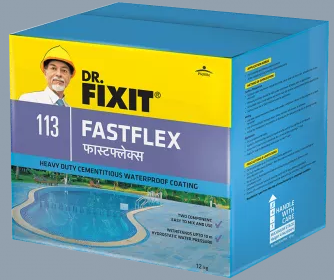
1. Cementitious coats and waterproof barrier products

These products are suitable for cement pools and help prevent water penetration.

2. Pure polymer waterproof coatings

These coatings provide a durable and effective waterproofing solution for various pool surfaces.

3. Spray equipment

Larger surface areas can be covered more economically by using spray equipment, as opposed to applying via a trowel or brush.

4. Regular maintenance

Regularly checking your pool for signs of water intrusion and addressing any issues promptly is essential for maintaining the waterproofing’s effectiveness.

Waterproofing your swimming pool is an essential step in ensuring its health, longevity, and durability. By understanding the importance of waterproofing, common misconceptions, and the best practices for waterproofing, you can make an informed decision and keep your pool in top shape for years to come.

Read more

Decoding Waterproofing: Common Myths and Facts

Waterproofing is an essential aspect of building maintenance, but there are many myths surrounding it. Here are some common myths and facts about waterproofing:

Myth 1: Only humid or coastal areas need waterproofing. 

Fact: While rainwater and high humidity may cause wall dampness, even in dry regions, wall dampness can pose a serious threat. A faulty leak from a pipe or the air conditioner water can seep in from the exterior walls and ruin the interiors.

Myth 2: Waterproofing is too expensive.

Fact: Waterproofing costs vary depending on the precise needs of the building. Discounts are often available for large enough areas, and it’s important to consider waterproofing from a long-term standpoint. Proper, long-term waterproofing solutions can help protect a building’s structural integrity.

Myth 3: Waterproofing is a one-time solution.

Fact: While waterproofing solutions are designed to be long-lasting and durable, they are not immune to damage or wear over time. As buildings settle, experience structural shifts, or face environmental stressors, cracks can form, compromising the integrity of the membrane. Additionally, some older waterproofing products contained materials that raised environmental concerns. Advancements in technology have led to more eco-friendly options, and some membranes are even made from recycled materials.

Myth 4: Waterproofing membranes can be installed on any surface without consideration.

Fact: Different surfaces, such as concrete, masonry, metal, and wood, require different waterproofing solutions. It’s important to ensure they are applied correctly and address any unique challenges each construction project may present.

Myth 5: Painting over moisture solves the problem.

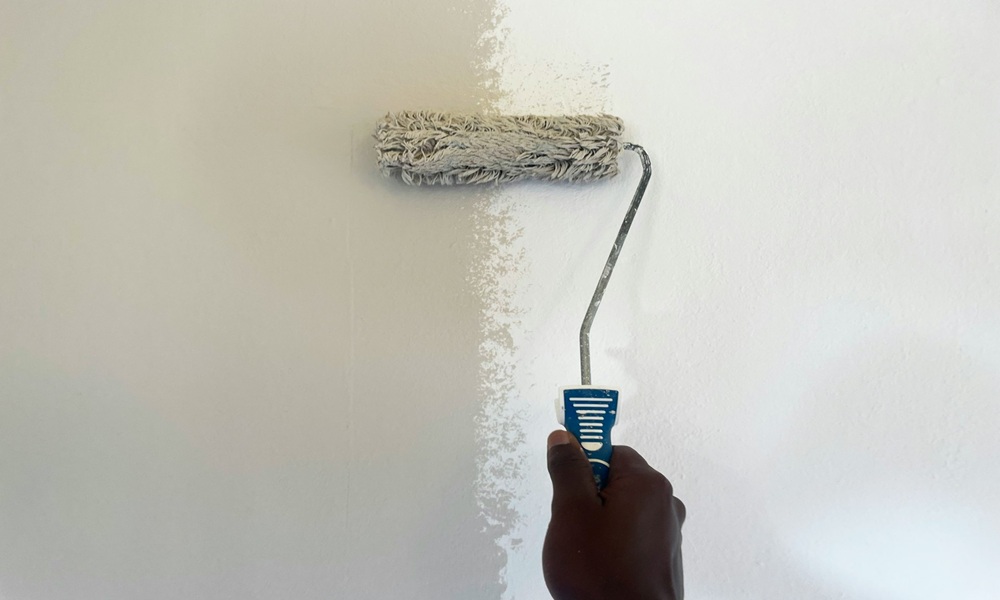
Fact: Applying paint over a damp wall only makes the problem worse. It doesn’t solve the root cause and only leads to bubbling and flaking paint. To keep a building properly protected, it’s important to have any underlying issues addressed.

In conclusion, it’s important to separate fact from fiction when it comes to waterproofing. Proper waterproofing solutions can help protect a building’s structural integrity and prevent costly damage. Reach out for more information via Call or WhatsApp 0700288388

Read more

Buying a Finished Property in Nairobi?

Are you in the market for a newly finished property in Nairobi? It’s an exciting time, but it’s essential to ensure that the building has been constructed with the highest quality standards, especially when it comes to waterproofing. 

As you embark on this journey, here are some key areas to focus on and tips to consider to ensure that the property’s waterproofing and paintwork are of the highest standard.

1. Waterproofing Assessment 

Before making a purchase, it’s crucial to assess the waterproofing of the property. This includes a thorough inspection of critical areas such as the basement, walls, bathrooms, kitchen, balconies, decks, terrace, and roofs. Look for signs of water damage, such as dampness, mold, or discoloration, as these can indicate underlying waterproofing issues.

2. Professional Waterproofing Solutions

A reputable waterproofing company will utilize professional solutions to ensure the longevity of the building’s waterproofing. These solutions may include waterproof membranes, waterstops, joint sealants, and protective coatings. It’s important to inquire about the specific products and techniques used to safeguard the property against water damage.

3. Roof Waterproofing

The roof is a critical area when it comes to waterproofing. It’s essential to verify that the property has been equipped with a robust and durable roof waterproofing system. This is vital for protecting the building from the elements and preventing water penetration, which can lead to a host of issues if not addressed effectively.

4. Construction Quality 

Inquire about the construction methods and materials used for waterproofing. Cementitious waterproofing is a common and effective method employed in construction. Additionally, durable roofing solutions with liquid resin systems can offer enhanced protection against environmental factors and temperature changes.

5. Professional Assistance

Consider engaging the services of a professional waterproofing company to conduct a comprehensive assessment of the property. These experts can identify any potential waterproofing issues and provide valuable insights into the quality of the existing waterproofing systems. Their expertise can be instrumental in ensuring that the property is well-protected against water damage.

Why Choose GreenBuild for Your Waterproofing Needs?

At GreenBuild, we understand the importance of effective waterproofing in preserving the integrity and longevity of a property. Our commitment to quality and our expertise in waterproofing solutions set us apart as a trusted partner for your waterproofing requirements. 

  • Specialization in Waterproofing: We specialize in waterproofing structures, ensuring that your investment remains durable and resistant to the forces of nature.
  • Comprehensive Assessment: Our team of skilled professionals can identify and correct any overlooked waterproofing issues, providing you with peace of mind regarding the property’s integrity.
  • Professional Expertise: With a workforce experienced in construction, architecture, survey, project management, and waterproofing, we offer a wealth of knowledge to support your waterproofing needsContact us today to learn more about our comprehensive waterproofing services.
Read more