Archives for June 2024

Negative Waterproofing The Key to Minimal Disruption

In the world of construction, minimizing disruption to building occupants is a critical concern. Traditional waterproofing methods often involve extensive exterior excavation and renovation, causing significant inconvenience and disruption. However, a disruptive solution has emerged – negative waterproofing. This comprehensive guide explores how negative waterproofing can be the key to minimizing disruption while effectively addressing water ingress issues.

The Advantage of Negative Side – Waterproofing

Negative waterproofing is a game-changing approach that applies waterproofing materials to the internal side of a structure where water ingress is occurring. Unlike positive waterproofing, which is applied to the exterior, negative waterproofing is carried out from the inside of the building. This disruptive technique offers a distinct advantage in minimizing disruption to occupants:

Accessibility: Negative waterproofing can be applied from the interior, eliminating the need for extensive exterior excavation and renovation.

Reduced Downtime: The application process is faster and more efficient, minimizing the duration of the project and reducing the impact on building operations.

Minimal Disturbance: Negative waterproofing causes significantly less disruption to the daily activities and routines of building occupants.
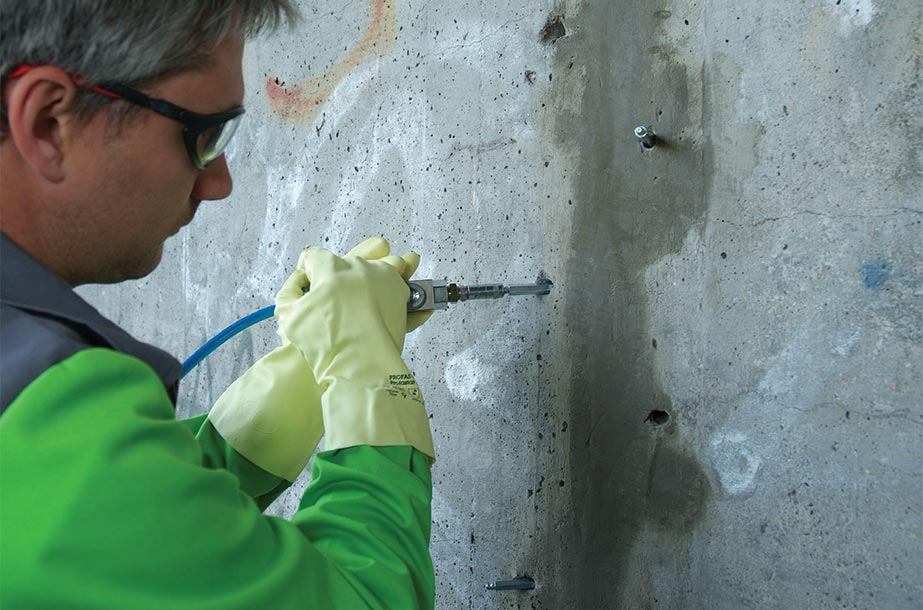
Image courtesy of The Waterproof Mag https://www.waterproofmag.com/2011/01/negative-side-waterproofing/ 

Tools and Materials used in Negative Waterproofing

Negative waterproofing often involves the use of specialized tools and materials to effectively address water ingress. These disruptive innovations are transforming the industry:

Injection Pumps: High-pressure pumps that can precisely inject waterproofing materials deep into the structure, minimizing the need for invasive procedures.

Injection Packers: Devices inserted into drilled holes to facilitate the injection of waterproofing materials, further reducing the impact on the building’s interior.

Polyurethane Foam: A versatile material that expands upon injection, effectively filling cracks and voids while remaining flexible and durable, minimizing the risk of future disruptions.

Case Study of a Problematic Basement in Nairobi, Kenya
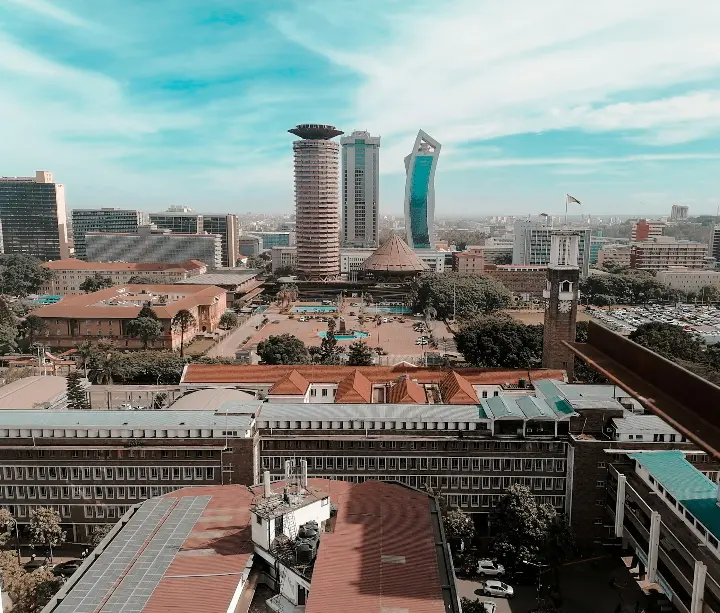
Recently, a commercial building faced a significant water ingress problem in its basement, causing damage and creating an unhealthy environment for occupants. Traditional waterproofing methods were not feasible due to the high cost and extensive disruption they would have caused.

The solution? Negative waterproofing using polyurethane injection. This disruptive approach allowed the waterproofing work to be carried out from the interior, minimizing the impact on the building’s operations and occupants. The process was faster, more efficient, and caused significantly less disturbance compared to traditional methods.

The results were remarkable – the negative waterproofing intervention successfully sealed all points of water ingress, protecting the interior spaces from further damage and preserving the structural integrity of the building. Importantly, this was achieved with minimal disruption to the building’s occupants, ensuring their comfort and productivity were maintained throughout the process.

In the construction industry, where minimizing disruption is a top priority, negative waterproofing stands out as a disruptive solution. By applying waterproofing materials from the interior, this innovative technique offers a more accessible, efficient, and less intrusive approach to addressing water ingress issues. As the industry continues to evolve, negative waterproofing will undoubtedly play a crucial role in delivering high-quality waterproofing solutions while prioritizing the needs and comfort of building occupants.

Reach out to GreenBuild Waterproofing Solutions for a thorough assessment of your building; no matter how big or small. 0700288388
Read more

7 Warning Signs of Inadequate Waterproofing in Your Property

Waterproofing for Residential or Commercial Spaces

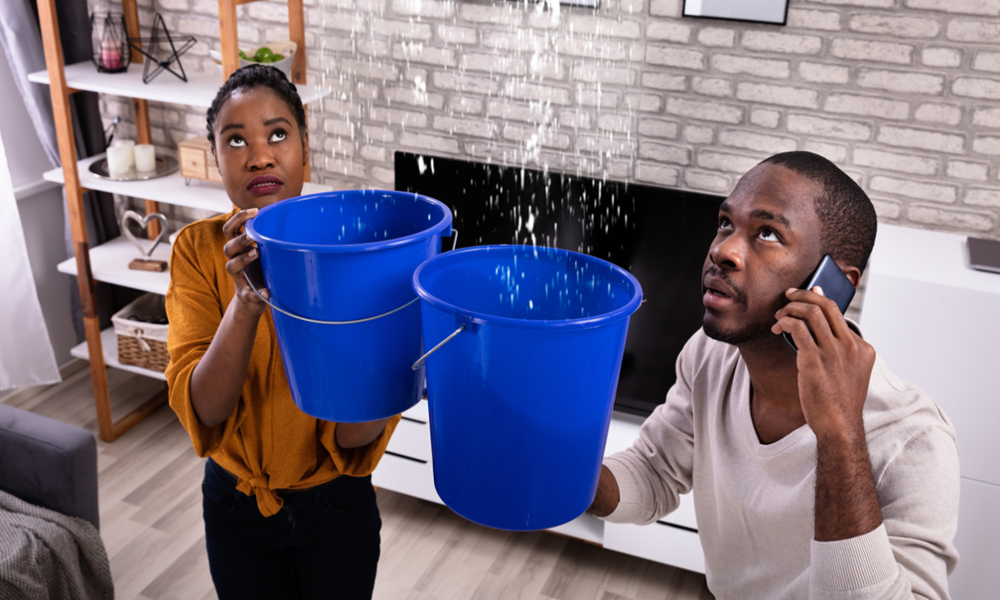
Waterproofing is a critical aspect of any building project, especially in countries where climate can be unpredictable. A poorly executed waterproofing job can lead to serious structural damage, costly repairs, and health hazards. As a property owner or tenant, it’s important to be able to identify the signs of inadequate waterproofing. Here are the signs to look out for, along with tips on how to inspect your building from time to time.

1. Visible Water Stains 

Look for discolored patches or water stains on ceilings, walls, and floors. These can range from light yellow to dark brown and often indicate water seepage. 

Tip: Check the corners and edges of rooms, as these areas are more susceptible to water accumulation and staining.

2. Mold and Mildew Growth 

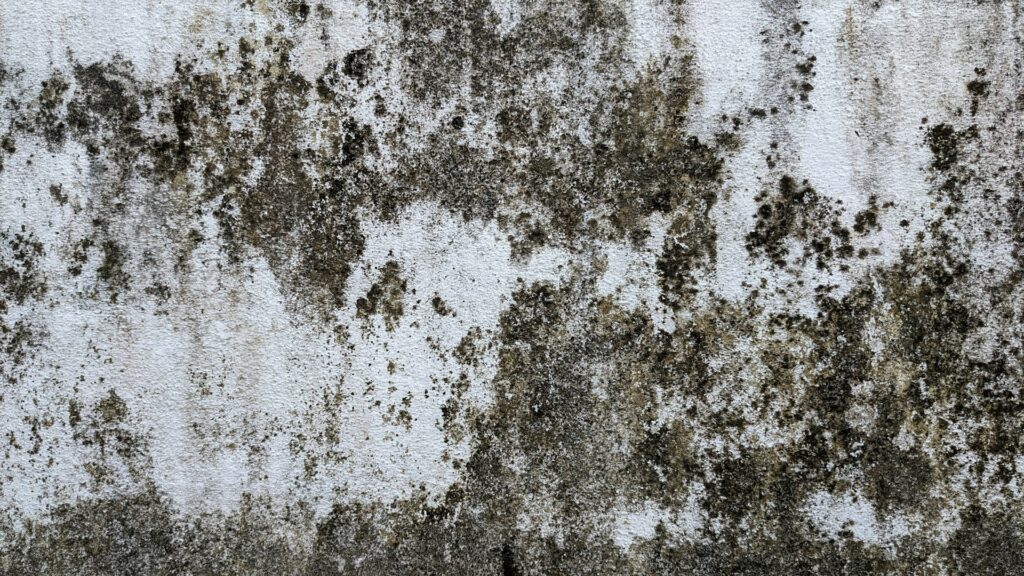
Mold and mildew appear as black, green, or white patches and are often accompanied by a musty odor. 

Tip: Inspect bathrooms, kitchens, and other high-moisture areas. Use a flashlight to check under sinks and in dark corners where mold tends to thrive.

3. Peeling or Bubbling Paint 

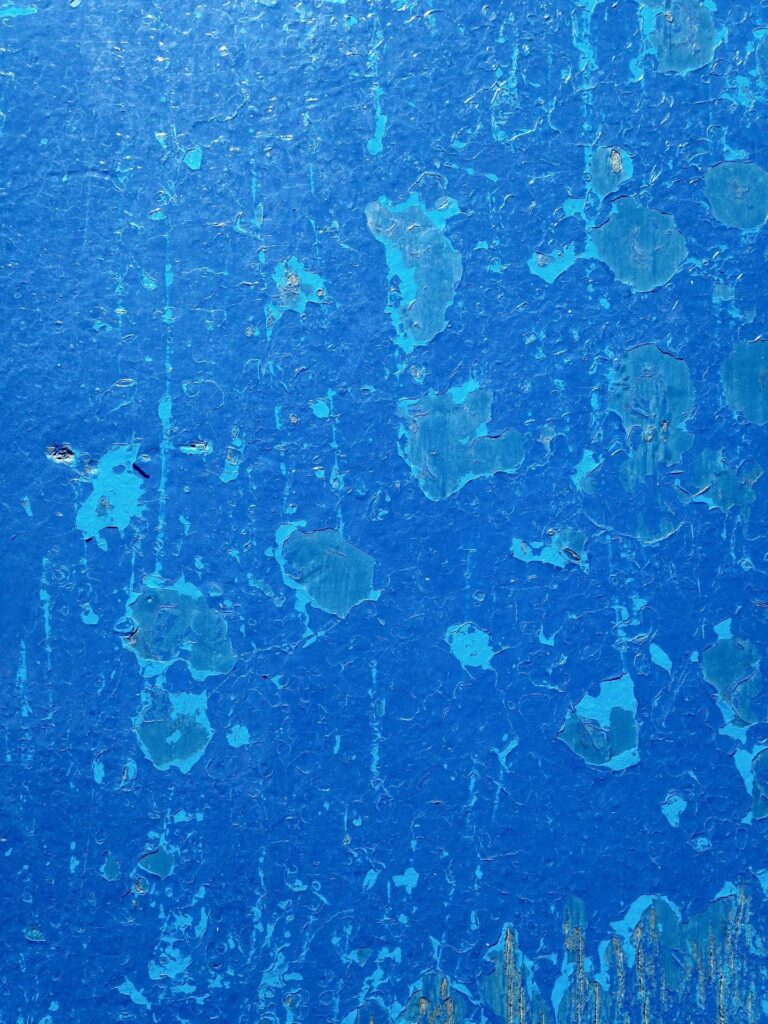
Paint that is peeling, bubbling, or blistering is a clear indicator of moisture problems beneath the surface. 

Tip: Run your hand over painted surfaces to feel for any irregularities. Pay close attention to walls near windows and doors.

4. Cracks in Walls and Floors 

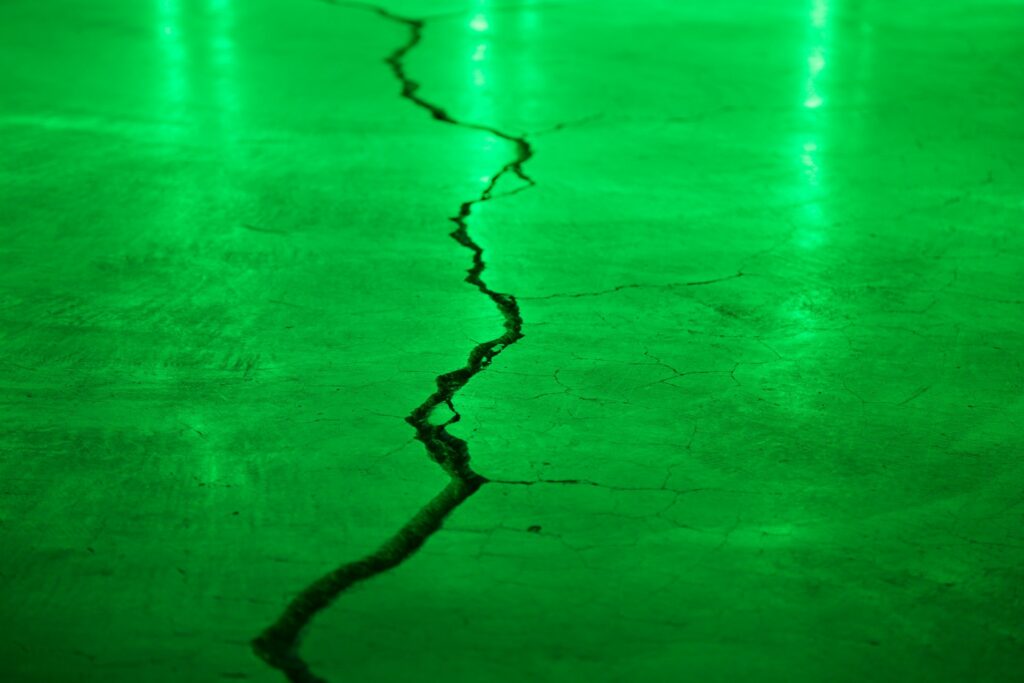
Cracks can appear in various sizes and can be found in concrete, plaster, or tile surfaces. They may indicate water infiltration or structural issues. 

Tip: Examine the exterior and interior walls, as well as the floor surfaces, for any visible cracks. Note if the cracks are widening over time.

5. Efflorescence 

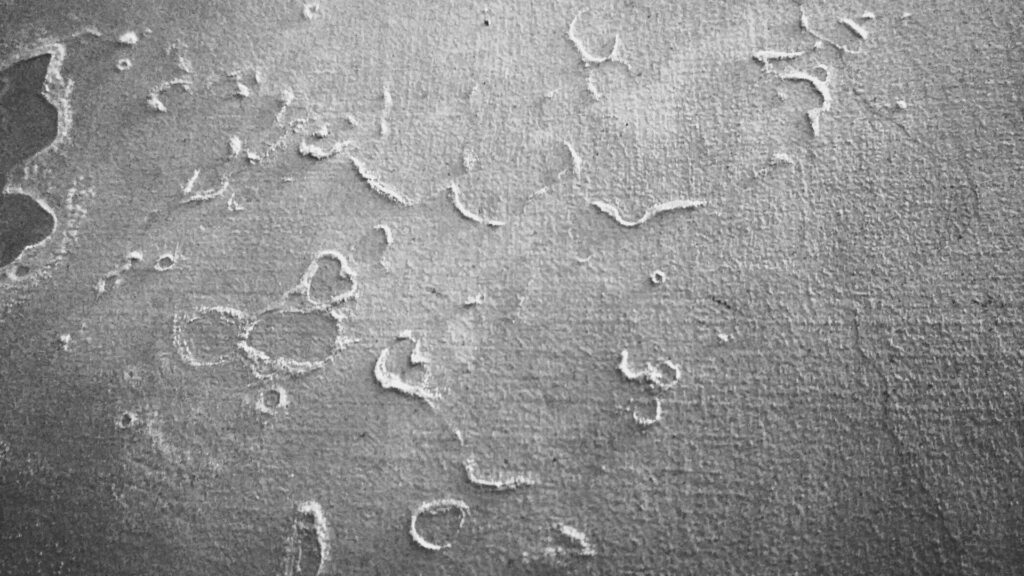
Efflorescence is a white, powdery residue that forms on masonry surfaces due to water-soluble salts being left behind as water evaporates. 

Tip: Check the basement, foundation walls, and exterior brick or stone surfaces for any white, chalky deposits.

6. Damp or Musty Smell 

A persistent damp or musty odor is often a sign of hidden moisture problems within the building structure. 

Tip: Walk through each room and use your sense of smell to detect any unusual odors, particularly in basements and storage areas

7. Warped or Buckling Floors 

Floors that are buckling, warping, or showing signs of moisture damage are a strong indication of poor waterproofing. 

Tip: Inspect wooden and laminate floors for any unevenness or lifting. Press down on suspicious areas to check for sponginess.

Tips for Inspecting a Building for ultimate protection:

  1. Schedule Regular Inspections: Perform routine checks of your property, especially after heavy rains or during the rainy season.
  2. Use a Moisture Meter: Invest in an inexpensive moisture meter to measure the moisture content in walls and floors. This can help you detect hidden water issues.
  3. Inspect the Roof and Gutters: Ensure that the roof is in good condition and that gutters and downspouts are clear of debris to prevent water buildup.
  4. Check Window and Door Seals: Ensure that all windows and doors are properly sealed and that there are no gaps where water can seep in.
  5. Hire a Professional: If you suspect a waterproofing issue but are unsure of its extent, consider hiring a professional waterproofing expert to conduct a thorough inspection and recommend solutions. 

Call GreenBuild Home Solutions for peace of mind! #WaterProofingServicesKenya Call 0700288388

Read more

Protecting Your Property

Protecting Your Property’s Structural Integrity

Waterproofing is a crucial aspect of building construction, ensuring that your property remains safe, durable, and protected from the elements. In this article, we will explore the key trends in waterproofing in Kenya, highlighting the best practices and products for both residential and commercial spaces.

Sustainability is a growing concern in Kenya, and waterproofing is no exception. Building owners and architects are now focusing on eco-friendly waterproofing solutions that not only protect the structure but also reduce the environmental impact. 

Smart waterproofing is another trend that is gaining popularity in Kenya. This involves the integration of advanced technologies like sensors and monitoring systems to detect leaks and potential issues before they become major problems. 

Cost-effective waterproofing solutions are always in demand, especially in Kenya where budget constraints are a significant concern. 

Here are a few brand suggestions

Dr. Fixit is a leading waterproofing brand in Kenya, offering a range of waterproofing products that cater to both residential and commercial spaces. Their products are known for their quality, durability, and effectiveness in protecting buildings from water damage.

Fosroc is another prominent waterproofing brand in Kenya, offering a range of waterproofing products that are both innovative and effective. Their products are known for their sustainability, fire-resistance, and cost-effectiveness.

Sika is a well-known waterproofing brand globally, and it has a significant presence in Kenya. Their products are known for their effectiveness in protecting buildings from water damage and are widely used in both residential and commercial spaces.

Mapei is another prominent waterproofing brand in Kenya, offering a range of waterproofing products that are both innovative and effective. Their products are known for their sustainability, fire-resistance, and cost-effectiveness.

Aquatech is a leading waterproofing brand in Kenya, offering a range of waterproofing products that cater to both residential and commercial spaces. Their products are known for their quality, durability, and effectiveness in protecting buildings from water damage.

Expert Help is Just a Call Away!

Read more