
Archives for July 2024

Addressing Hairline Cracks in Buildings

Hairline cracks in buildings are a common issue that can cause concern for property owners. These small, fine cracks can appear in walls, ceilings, floors, and other structural elements. While often seen as a minor problem, hairline cracks can be indicative of underlying issues that, if left unaddressed, may lead to more significant damage. This article will explore the causes of hairline cracks, their implications, and how to address them effectively.

What Are Hairline C​racks?

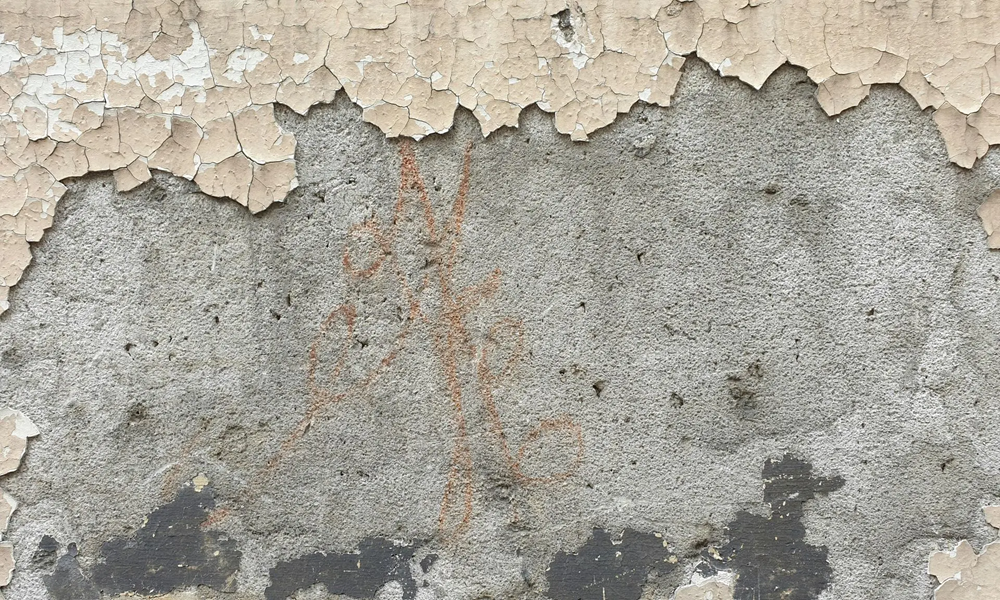
Hairline cracks are very thin cracks, usually less than 1mm wide, that appear on the surface of building materials like plaster, concrete, or brick. They are often superficial but can sometimes indicate deeper structural problems.

Common Causes of Hairline Cracks

1. Thermal Expansion and Contraction

Building materials expand and contract with temperature changes. This natural movement can cause hairline cracks to form, especially in areas exposed to significant temperature variations.

2. Drying Shrinkage

As concrete, plaster, or mortar cures and dries, it can shrink slightly. This shrinkage can lead to the formation of hairline cracks, particularly in new constructions or recently renovated areas.

3. Structural Movement

Buildings settle over time due to changes in the soil, foundation settling, or structural adjustments. This movement can cause hairline cracks to appear in walls and ceilings.

4. Poor Construction Practices

Improper mixing of materials, inadequate curing times, or poor workmanship can contribute to the development of hairline cracks. Ensuring high construction standards is crucial to minimize such issues.

5. Moisture Infiltration

Moisture penetration can weaken building materials and cause hairline cracks. This is especially common in areas with inadequate waterproofing or drainage systems.

Implications of Hairline Cracks

While hairline cracks are often superficial, they should not be ignored. If left unaddressed, they can:

  • Worsen Over Time: Small cracks can expand and deepen, leading to more significant structural issues.
  • Allow Water Ingress: Cracks can provide pathways for water to enter the building, causing moisture damage, mold growth, and further weakening of the structure.
  • Reduce Aesthetic Appeal: Visible cracks can detract from the appearance of a property, affecting its value and desirability.
  • Indicate Underlying Problems: In some cases, hairline cracks may signal more serious underlying issues, such as foundation problems or structural instability.

Addressing Hairline Cracks

1. Inspection and Assessment

Conduct a thorough inspection to determine the extent and cause of the cracks. This may involve examining the building’s foundation, structural elements, and environmental conditions. Consulting a structural engineer or building professional can provide valuable insights and recommendations.

2. Cleaning and Preparation

Clean the cracked area to remove any loose debris, dirt, or dust. This ensures better adhesion of repair materials and allows for a more effective repair.

3. Filling the Cracks

For minor, superficial cracks, use a suitable crack filler or sealant. Products like acrylic fillers, polyurethane sealants, or epoxy resins are effective for filling hairline cracks. Follow the manufacturer’s instructions for application and curing times.

4. Monitoring and Maintenance

Regularly monitor the repaired areas for any signs of new cracks or changes in existing ones. Implement a maintenance routine to address any issues promptly, ensuring the longevity and integrity of the building.

5. Addressing Underlying Causes

If the cracks are due to underlying issues like structural movement or moisture infiltration, take corrective measures to address these problems. This may involve improving drainage systems, reinforcing structural elements, or implementing better waterproofing solutions.

6. Professional Assistance

For significant or persistent cracks, seek professional assistance. Structural engineers and building experts can provide comprehensive assessments and recommend appropriate solutions to ensure the stability and safety of the building.

Conclusion

Hairline cracks in buildings are a common but manageable issue. Understanding their causes and implications is essential for addressing them effectively. By conducting regular inspections, using suitable repair materials, and addressing underlying problems, property owners can maintain the structural integrity and aesthetic appeal of their buildings. Taking proactive steps to manage hairline cracks ensures a safe and durable living or working environment.
Read more

Best Practices for Effective Waterproofing in Kenya

Effective waterproofing is crucial for maintaining the integrity and longevity of buildings in Kenya. With diverse weather conditions ranging from heavy rains to high humidity, the need for robust waterproofing solutions cannot be overstated. This article outlines the best practices for ensuring effective waterproofing in Kenya, helping property owners protect their investments from water damage.

1. Start with a Comprehensive Assessment

Before any waterproofing project begins, conduct a thorough assessment of the property. Identify areas prone to water ingress, such as basements, roofs, balconies, and external walls. Engage a professional to perform a detailed inspection, highlighting existing issues and potential problem areas.

2. Use High-Quality Materials

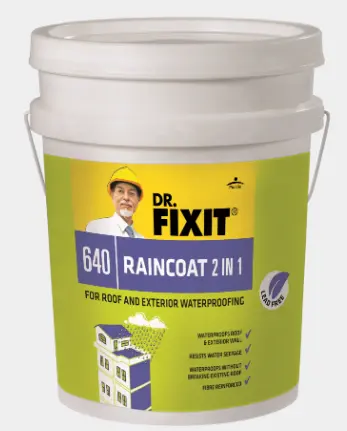
Investing in high-quality waterproofing materials is essential. Products like Dr. Fixit offer reliable solutions designed to withstand Kenya’s climatic conditions. Ensure the materials used are suitable for the specific area being waterproofed, whether it’s a roof, foundation, or bathroom.

Recommended Products

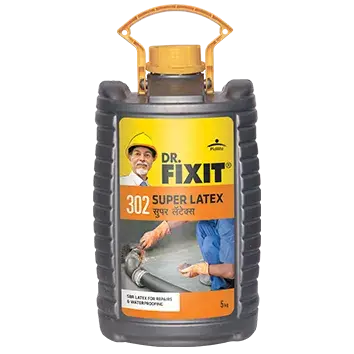
Dr. Fixit Super Latex for waterproofing new and old construction.

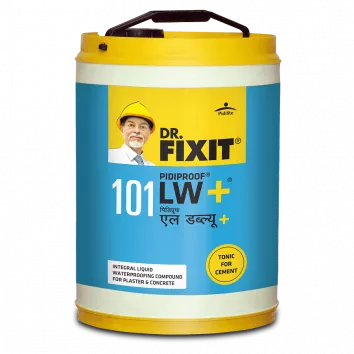
Dr. Fixit LW+ as an additive for concrete to enhance water resistance.

3. Employ Skilled Professionals

The success of a waterproofing project largely depends on the expertise of the applicators. Hiring experienced and trained professionals ensures that the waterproofing system is applied correctly and effectively. Verify the credentials of contractors and review previous projects to gauge their competence.

4. Follow Manufacturer’s Instructions

Adhering to the manufacturer’s guidelines for the application of waterproofing products is crucial. These instructions are tailored to optimize the performance of the materials, ensuring maximum effectiveness. Skipping steps or using incorrect methods can compromise the waterproofing system.

5. Ensure Proper Surface Preparation

Surface preparation is a critical step in the waterproofing process. Clean and dry the surface thoroughly, removing any dirt, dust, or loose particles. Repair any cracks or defects before applying the waterproofing layer. Proper preparation ensures better adhesion and longevity of the waterproofing system.

6. Implement Multiple Layers

In many cases, a single layer of waterproofing is insufficient. Applying multiple layers of waterproofing material enhances protection and ensures comprehensive coverage. This is especially important for roofs and other horizontal surfaces exposed to standing water.

7. Regular Maintenance and Inspection

Waterproofing is not a one-time task. Regular maintenance and periodic inspections are necessary to identify and address any wear or damage early on. Conducting routine checks, especially after heavy rains or storms, helps maintain the integrity of the waterproofing system.

8. Pay Attention to Drainage

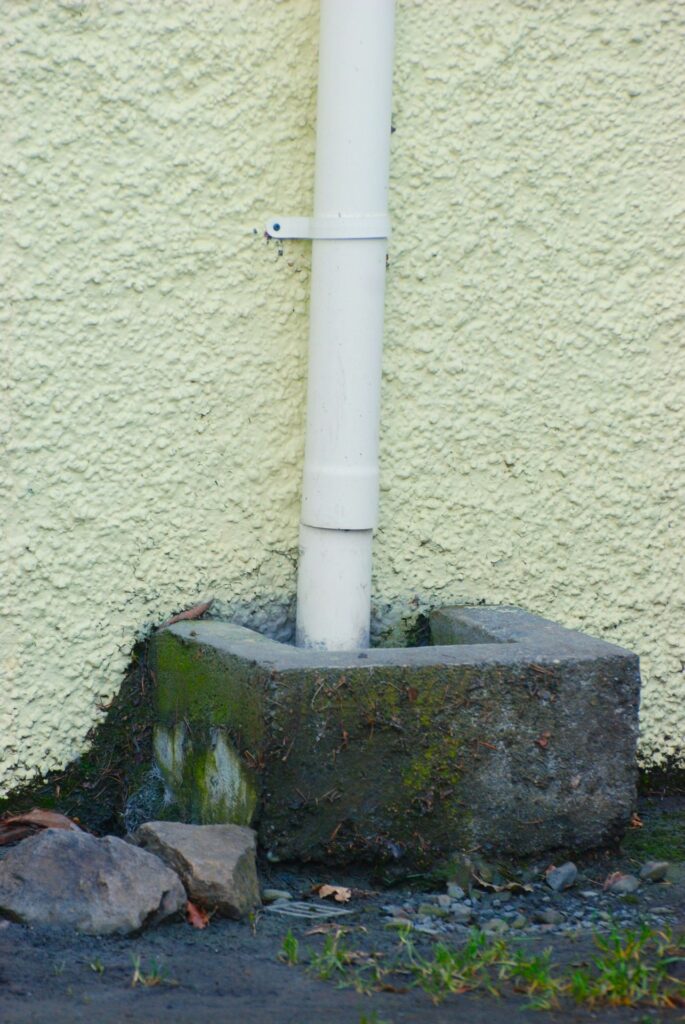
Effective drainage is a key component of waterproofing. Ensure that gutters, downspouts, and drainage systems are clear of debris and functioning properly. Poor drainage can lead to water pooling, increasing the risk of leaks and water damage.

9. Consider Climate and Environment

Kenya’s diverse climate requires tailored waterproofing solutions. In coastal areas, structures are exposed to high humidity and saltwater, necessitating robust waterproofing systems. Inland areas with less rainfall may require different strategies. Assess the specific environmental conditions of your property and choose appropriate waterproofing solutions accordingly.

10. Educate Occupants

Educate the occupants of the building about the importance of waterproofing and how to identify potential issues. Encourage them to report any signs of water damage immediately, allowing for prompt intervention and repair.

Conclusion

Effective waterproofing is essential for protecting buildings in Kenya from water damage. By following these best practices, property owners can ensure the longevity and structural integrity of their investments. From using high-quality materials to regular maintenance, each step plays a vital role in achieving a watertight property. Invest in professional expertise and stay proactive in your approach to waterproofing to keep your property safe and dry.

Read more

An Introduction to Polyurethane Injection for Waterproofing

Waterproofing is a crucial aspect of construction that ensures the longevity and durability of buildings. Among the various waterproofing methods available, polyurethane injection has emerged as a versatile and highly effective solution. 

What is Polyurethane Injection?

Polyurethane injection is a waterproofing technique that involves injecting a polyurethane resin into cracks, joints, and voids within concrete or masonry structures. The resin reacts with water, expanding and forming a watertight seal. This method is widely used for both negative and positive waterproofing applications, providing a robust solution to prevent water ingress and protect structural integrity.

How Polyurethane Injection Works

Polyurethane injection involves a series of steps to ensure effective waterproofing:

  1. Assessment and Preparation:
    • Inspection: Identify all cracks, joints, and voids where water ingress is occurring.
    • Drilling: Drill holes at strategic points along the affected areas to insert injection ports (packers).
  2. Injection Process:
    • Mixing: Prepare the polyurethane resin, ensuring it is mixed to the correct consistency.
    • Injection: Use high-pressure pumps to inject the resin through the packers into the cracks and voids. The resin reacts with any present moisture, expanding and filling the spaces.
  3. Curing and Sealing:
    • Curing: Allow the injected resin to cure, forming a flexible, watertight seal.
    • Final Inspection: Conduct a thorough inspection to ensure all cracks and voids are adequately sealed.

Benefits of Polyurethane Injection

Polyurethane injection offers several advantages that make it a preferred choice for waterproofing:

  1. Effective Waterproofing:
    • The expanding nature of polyurethane allows it to fill even the smallest cracks and voids, providing a comprehensive waterproof barrier.
  2. Durability:
    • Once cured, polyurethane forms a durable, flexible seal that can withstand structural movements and environmental conditions.
  3. Versatility:
    • Suitable for a wide range of applications, including basements, tunnels, retaining walls, foundations, and more.
  4. Minimal Disruption:
    • The injection process is carried out internally, causing minimal disruption to building occupants and operations.
  5. Cost-Effective:
    • Compared to extensive excavation and external waterproofing methods, polyurethane injection is often more affordable and quicker to apply.

Applications of Polyurethane Injection

Polyurethane injection is used in various construction scenarios to address water ingress and structural issues:

  • Basement Waterproofing: Sealing cracks and joints in basement walls and floors to prevent water seepage.
  • Tunnel Waterproofing: Addressing leaks and water ingress in tunnels and underground structures.
  • Foundation Repair: Strengthening and waterproofing foundations by sealing cracks and voids.
  • Concrete Structures: Repairing and waterproofing concrete structures, including bridges, dams, and parking garages.

Basement Waterproofing in Nairobi, Kenya

The Challenge

In Nairobi, a commercial building experienced severe water ingress in its basement. The water infiltration was causing significant damage to the structure and creating an unhealthy environment for occupants. Traditional positive waterproofing methods were not feasible due to access issues and the high cost of exterior excavation.

The Solution

A negative waterproofing solution was implemented using polyurethane injection. The process involved the following steps:

  1. Assessment: A thorough inspection was conducted to identify all points of water ingress and determine the extent of the damage.
  2. Preparation: Injection ports (packers) were strategically placed into drilled holes along the affected areas.
  3. Injection: High-pressure pumps were used to inject polyurethane foam into the packers. The polyurethane expanded to fill cracks and voids, creating a watertight seal.
  4. Curing: The polyurethane was allowed to cure, forming a flexible yet durable barrier against water ingress.

Results

The negative waterproofing intervention successfully sealed all points of water ingress, preventing further water penetration into the basement. The interior spaces were protected from water damage, mold growth was halted, and the structural integrity of the building was preserved.

Benefits Realized

  • Cost Savings: The negative waterproofing method was more affordable than extensive exterior excavation.
  • Minimal Disruption: The work was completed from the inside, causing minimal disruption to building occupants.
  • Long-Term Protection: The polyurethane provided a durable and flexible barrier, ensuring long-term protection against water ingress.

Polyurethane injection is a powerful tool in the arsenal of waterproofing techniques. Its ability to effectively seal cracks and voids, coupled with its durability and versatility, makes it an ideal solution for a wide range of applications. Whether you are dealing with a leaky basement in Nairobi or a complex infrastructure project elsewhere, polyurethane injection can provide the robust waterproofing needed to protect and preserve your structures.

Reach out to GreenBuild Waterproofing Solutions on 0700288388

Read more