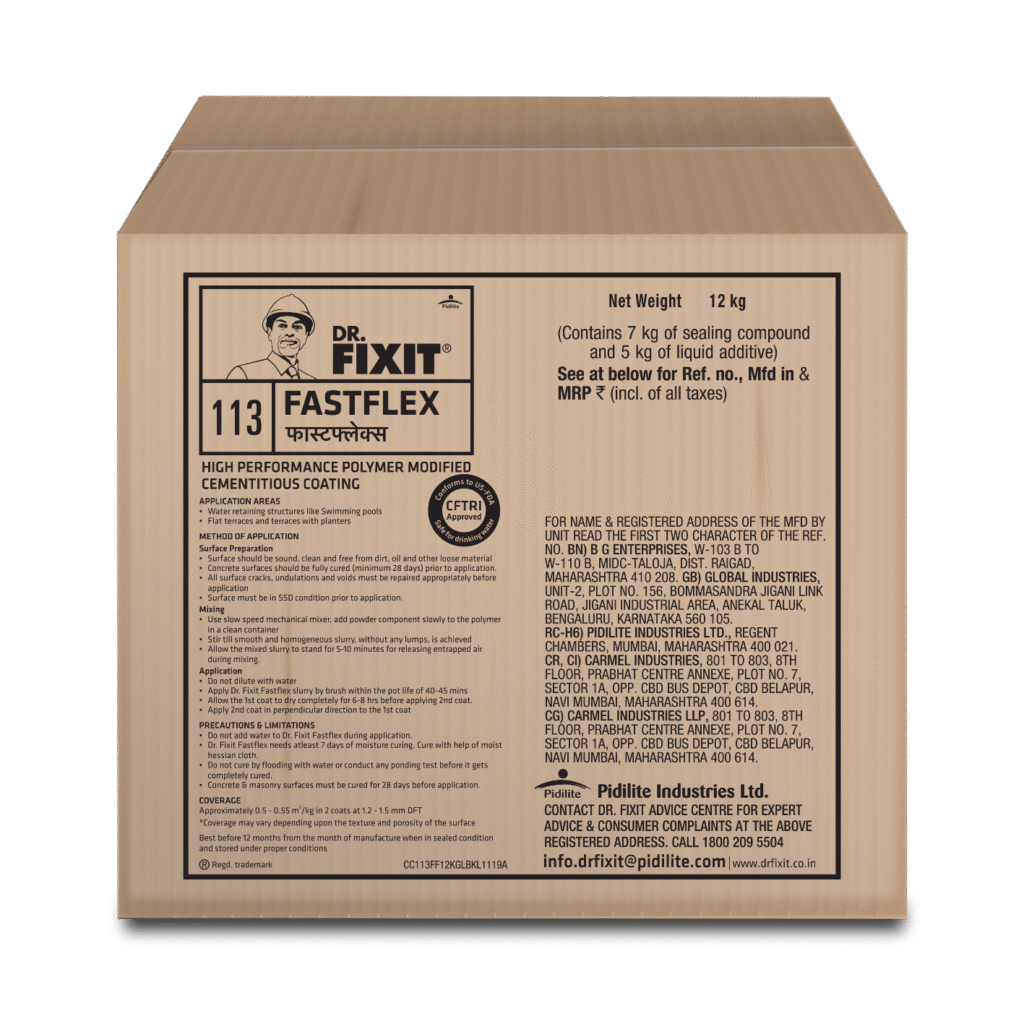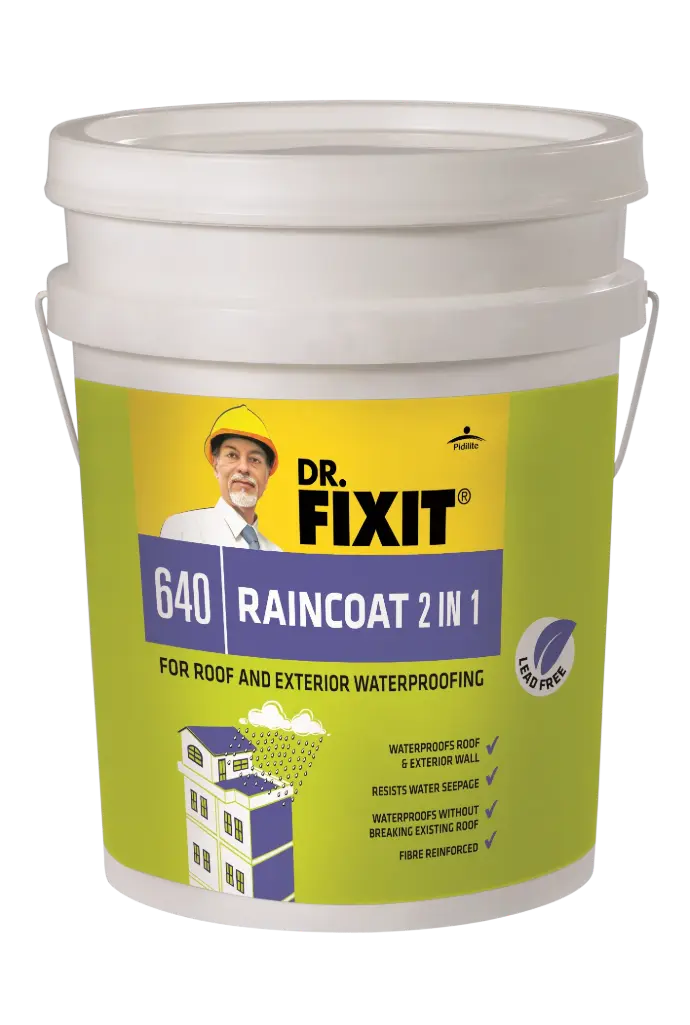

When it comes to tile installation, the choice of adhesive is crucial not only for ensuring a strong bond between tiles and the substrate but also for maintaining a waterproof barrier. Two common options are tile adhesive and cement. While both have been used for decades, they serve different purposes and offer distinct advantages, especially from a waterproofing perspective.
1. Tile Adhesive
What is Tile Adhesive?
Tile adhesive, also known as tile cement or tile glue, is a specialized mixture designed specifically for bonding tiles to surfaces. It is typically made from a combination of cement, sand, and additives that enhance its bonding properties and flexibility.
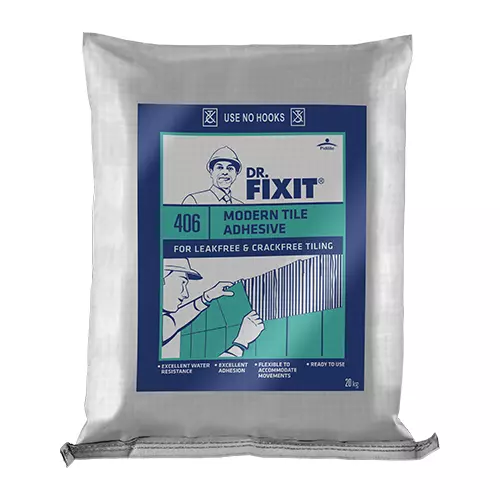
How Does It Work?
- Application: Applied to the back of the tile and the substrate.
- Curing: Forms a strong, flexible bond that accommodates slight movements without cracking.
Advantages of Tile Adhesive
- Flexibility: Offers better flexibility than traditional cement, reducing the risk of cracks.
- Easy to Use: Often comes in pre-mixed forms, making it easier to apply.
- Water Resistance: Many modern tile adhesives are formulated to be water-resistant, enhancing waterproofing capabilities.
Disadvantages
- Higher Cost: Generally more expensive than using cement.
- Specific Application: Designed for tile installation only.
2. Cement
What is Cement?
Cement is a broad term for a binding agent used in construction. In tile installation, cement is often used as a mortar to lay tiles. It is a mixture of cement, sand, and water.
How Does It Work?
- Application: Applied to the substrate and the back of the tile.
- Curing: Hardens to form a rigid bond.
Advantages of Cement
- Cost-Effective: Less expensive than specialized tile adhesives.
- Versatility: Can be used for various construction tasks beyond tile installation.
Disadvantages
- Rigidity: Less flexible than tile adhesive, which can lead to cracks over time.
- More Labor-Intensive: Requires mixing and application by skilled labor.
From a waterproofing standpoint, both tile adhesive and cement play critical roles in preventing water intrusion:
- Tile Adhesive: Modern tile adhesives are often formulated with additives that enhance their water resistance. This makes them an excellent choice for areas exposed to moisture, such as bathrooms and kitchens. Their flexibility also helps maintain the integrity of the waterproofing barrier by accommodating slight movements without cracking.
- Cement: While cement itself is not inherently waterproof, it can be used in conjunction with waterproofing membranes to create a barrier against moisture. However, its rigidity may lead to cracks over time, potentially compromising the waterproofing system.
Both tile adhesive and cement are popular due to their specific advantages:
- Tile Adhesive: Its ease of use, flexibility, and water resistance make it a preferred choice for modern tile installations, especially in areas requiring high durability and moisture protection.
- Cement: Its cost-effectiveness and versatility ensure it remains a staple in construction projects, though it may require additional waterproofing measures.
Choosing the Right Option
When deciding between tile adhesive and cement for your tile installation, consider the following factors:
- Flexibility and Water Resistance: If you need a flexible bond that can withstand moisture, tile adhesive is the better choice.
- Budget and Versatility: If cost is a concern and you prefer a more versatile option, cement might be suitable, provided you implement additional waterproofing measures.
| Characteristics | Tile Adhesive | Cement |
|---|---|---|
| Composition | Specialized mixture of cement, sand, and additives for enhanced bonding and flexibility. | General-purpose binding agent made from cement, sand, and water. |
| Flexibility | Offers better flexibility to accommodate slight movements without cracking. | Less flexible, prone to cracking over time. |
| Water Resistance | Many modern adhesives are formulated to be water-resistant, enhancing waterproofing. | Not inherently waterproof; requires additional waterproofing measures. |
| Ease of Use | Often comes in pre-mixed forms, making it easier to apply. | Requires mixing and skilled labor for application. |
| Cost | Generally more expensive than cement. | Cost-effective compared to specialized tile adhesives. |
| Versatility | Designed specifically for tile installation. | Can be used for various construction tasks beyond tile installation. |
| Durability | Provides a strong, flexible bond that enhances durability in moist environments. | Forms a rigid bond that may be less durable in areas with movement or moisture exposure. |
| Waterproofing Role | Enhances waterproofing capabilities with its water-resistant properties. | Requires additional waterproofing measures to prevent moisture intrusion. |
| Popular Use | Preferred for modern tile installations, especially in areas exposed to moisture. | Commonly used for cost-effective and versatile construction projects. |
In tile installation, the choice between tile adhesive and cement depends on your specific needs, including budget, desired flexibility, and waterproofing requirements. While tile adhesive offers superior flexibility and water resistance, cement provides cost-effectiveness and versatility. Understanding these differences will help you make an informed decision and ensure that your tile installation is both durable and waterproof.
For expert advice on tile installation and waterproofing solutions, contact GreenBuild Waterproofing Solutions today! Stay informed about the latest in waterproofing techniques subscribe to our blog for valuable insights!