
Blog

Roof Waterproofing – Modern Methods and Tools

Protecting your roof from water ingress is critical to preserving the longevity and structural integrity of your building, whether it’s a commercial high-rise in Nairobi or a residential home. With Nairobi’s climate and the rise of complex architectural designs, effective roof waterproofing methods are more essential than ever. Below, we explore the leading roof waterproofing methods and the tools professionals use to achieve long-lasting results.

Common Roof Waterproofing Methods

1. Liquid-Applied Membra​nes

These are flexible coatings that are applied as liquids and cure into seamless, water-impermeable membranes. They can be polyurethane, acrylic, or bituminous based.

  • Applications: Flat roofs, complex roof shapes, areas with many detailing points like joints and penetrations.
  • Advantages: Seamless coverage, accommodates movement, good for retrofitting old roofs.

2. Sheet Membranes

These are prefabricated sheets (typically bituminous, EPDM rubber, or PVC) that are rolled onto the roof and adhered or heat-sealed at the joints.

  • Applications: Large flat roofs, commercial properties.
  • Advantages: Uniform thickness, predictable performance, fast to install over large areas.

3. Cementitious Waterproofing

This involves applying a mixture of cement, sand, and polymers as a slurry or coating.

  • Applications: Roof slabs before tiling, balconies, and terraces.
  • Advantages: Easy to apply, cost-effective for surfaces that don’t experience movement.

4. Bituminous (Asphalt) Waterproofing

Used in both liquid and sheet forms, bituminous solutions are among the oldest and most reliable methods.

  • Applications: Flat or low-slope roofs, industrial settings.
  • Advantages: Durable, excellent for roofs with UV protection and insulation needs.

5. Polyurethane Foam (Spray Applied)

Polyurethane foam is sprayed directly onto the roof, expanding to form a waterproof layer that also provides insulation.

  • Applications: Roofs with unusual shapes, retrofitting.
  • Advantages: Seamless layer, adds insulation, fast application.

Key Tools Used in Roof Waterproofing

– Roller Brushes & Squeegees

For applying liquid membranes evenly across roof surfaces, especially around corners and upstands.

– Torch Guns & Heat Welders

Essential for installing bituminous and thermoplastic sheet membranes, these tools create watertight seams.

– Airless Spray Machines

Used to spray-apply liquid membranes or polyurethane foams, ensuring quick and uniform coverage over large areas.

– Trowels and Mixing Drills

Required for mixing and spreading cementitious coatings and patch repairs on cracks or detailing areas.

– Seam Rollers

Used for pressing down overlaps and joints on sheet membranes to achieve a tight, watertight seal.

– Moisture Meters & Infrared Cameras

For diagnosing existing roof leaks and ensuring surfaces are dry and clean before waterproofing. Early moisture detection prevents future failures.

Why Professional Application Matters

While some tools may seem straightforward, roof waterproofing demands meticulous preparation and expert application. Each method requires a precise approach based on roof type, climate, expected movement, and lifespan. Professionals assess the substrate, recommend the best system, and ensure all details, such as around vents, parapets, and joints, are thoroughly addressed.

Roof waterproofing is a blend of science, experience, and the right equipment. Whether you choose advanced liquid membranes, traditional bituminous sheets, or innovative spray-foam systems, the success of your waterproofing depends on correct surface preparation, skilled application, and high-quality tools.

If you’re planning a roof waterproofing project in Nairobi and its environs, consult a professional service provider like GreenBuild Waterproofing Solutions for an on-site assessment and the right waterproofing method tailored to your needs. Your roof and building deserves nothing less than expert protection!
Read more

The Human Cost of Waterproofing Neglect | Mold, Mildew, and Health Risks

When most people think about waterproofing, they picture cracked walls, leaking ceilings, or damp basements. While these signs signal structural trouble, the true cost of waterproofing neglect extends far beyond bricks and mortar; it directly affects the people who live, work, and breathe inside those buildings.

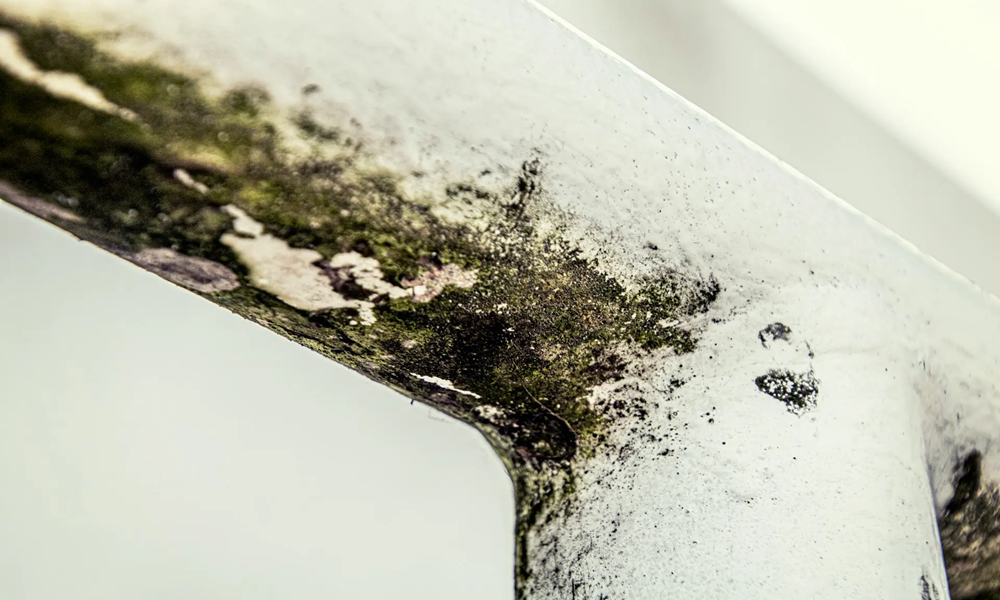
Moisture intrusion affects more than walls, floors, and ceilings. It also contributes to indoor environmental conditions that influence human health and comfort. One of the most common outcomes of water ingress is the growth of mold and mildew, both of which thrive in damp, poorly ventilated spaces.

Buildings that experience prolonged moisture exposure often develop microbial growth in hidden areas such as wall cavities, subfloors, behind tiles, and around window frames. These fungi release spores into the air, which circulate within indoor spaces and may contribute to a range of respiratory and dermatological symptoms.

The Silent Spread of Mold and Mildew

When water seeps into walls, ceilings, or flooring due to poor waterproofing, mold spores find the moisture they need to multiply. These spores often spread undetected behind tiles, under floorboards, and within drywall. In commercial buildings, high-rise apartments, or homes, this can escalate quickly – especially during Kenya’s rainy seasons.

Mildew, a surface-level fungus, is usually easier to spot, but it’s often a warning sign of deeper moisture issues. Both mold and mildew compromise indoor air quality, making enclosed spaces uncomfortable and, in some cases, hazardous.

The Health Impact on Occupants

Prolonged exposure to damp, mold-infested environments is linked to a range of health problems. Vulnerable groups such as children, the elderly, and people with asthma or allergies are particularly at risk. According to global health studies, symptoms associated with indoor mold exposure include:

  • Persistent coughing and wheezing
  • Skin and eye irritation
  • Nasal congestion and sinus infections
  • Increased risk of asthma attacks
  • Long-term respiratory conditions

For employers, landlords, and facility managers, these risks are more than medical concerns; they can lead to legal liabilities, tenant turnover, and reputational damage.

Why Waterproofing Is a Health Investment

Addressing moisture-related issues quickly helps prevent the conditions that lead to mold growth. Professional waterproofing plays a critical role in creating and maintaining a dry, healthy indoor environment.  At GreenBuild Waterproofing Solutions, we apply systems that protect vulnerable zones – including basements, bathrooms, rooftops, and balconies; ensuring that moisture does not enter the structure in the first place.

Our solutions are designed not only to block water but also to regulate internal humidity, which is key to preventing condensation and long-term dampness. With the right materials and application, we help clients create spaces that support physical well-being and reduce the hidden costs of poor indoor air quality.

Building Responsibly for Human Safety

Whether you manage an apartment complex, oversee a commercial facility, or own your own home, taking waterproofing seriously is not just about maintenance – it’s about care. Preventing mold and mildew protects your building, but more importantly, it protects the health of everyone inside it.

If your building shows signs of persistent moisture or if you’re planning a renovation, now is the time to act.

Let’s Build Healthier Spaces Together

GreenBuild Waterproofing Solutions is committed to supporting Kenya’s built environment through reliable, eco-safe, and health-conscious waterproofing systems. Let’s work together to keep your spaces dry, safe, and healthy – from the foundation to the rooftop.

Contact us today for a site visit and site diagnosis consultation.


#GreenBuildProtects #MoldPrevention #HealthyBuildingsKenya #WaterproofingForHealth #IndoorAirQuality 

Read more

Home Repairs That Can’t Wait: Why Waterproofing Should Be a Top Priority

Every homeowner knows that maintaining a house is a continuous journey – from fresh coats of paint to the occasional plumbing fix. But few realize that waterproofing is one of the most vital repairs a home will ever need. It’s not just about stopping leaks; it’s about protecting your structure, your health, and your investment for years to come.

At GreenBuild Waterproofing Solutions, we often say: “The sooner you seal, the safer you stay.” And nowhere is that more true than in the context of water damage, which is often silent until it’s severe.

The Hidden Cost of Delay

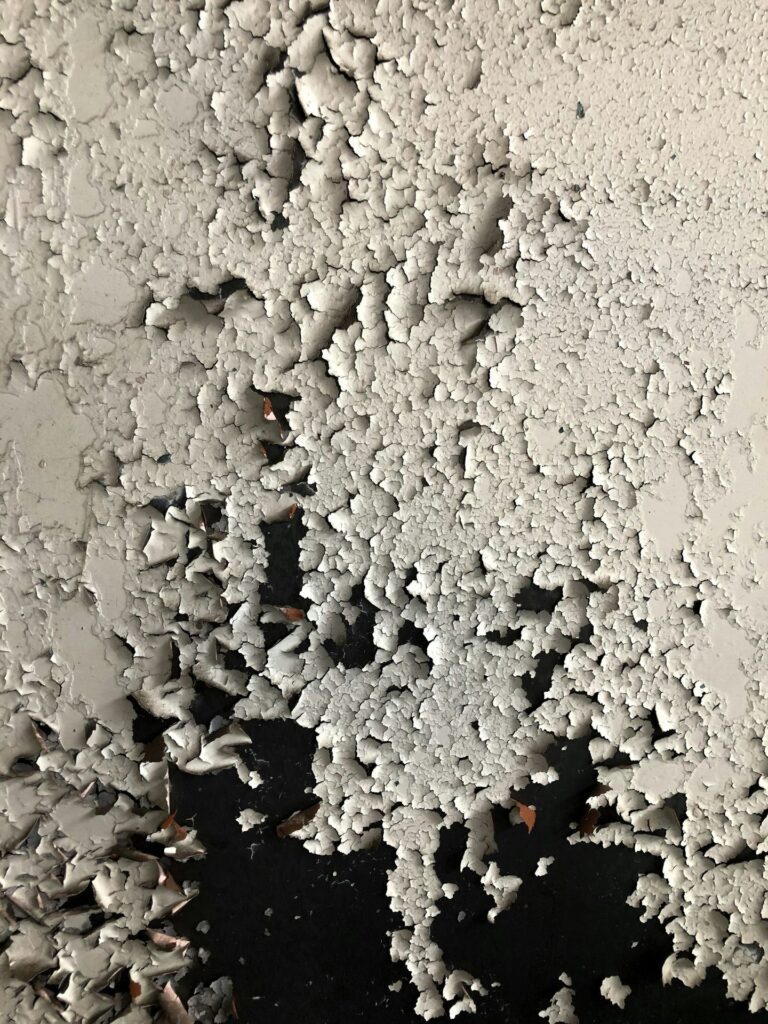
It usually begins with something subtle – a musty smell near the wall, paint that starts bubbling, or a patch of dampness on the ceiling after heavy rain. It’s tempting to ignore it or postpone repairs until “next month,” but what you’re not seeing could be far worse. Water intrusion can lead to mold growth, structural weakening, rising energy bills, and serious health concerns, especially for children and older adults.

Beyond the physical damage, the emotional toll of constant repairs, unexpected leaks, and repeated paint jobs can be draining. Preventive waterproofing, therefore, isn’t just practical – it’s peace of mind.

Where Waterproofing Makes the Biggest Impact

In our work across Kenya, we’ve seen time and again how specific areas of the home are more vulnerable to water damage than others. Flat roofs and terraces are a good example – they often suffer from poor drainage and aging materials, which allow water to seep through and damage ceilings. Bathrooms, another common culprit, are exposed to daily moisture. Without proper waterproofing beneath the tiles, water finds its way into floors and walls, leading to costly and invasive repairs later.

Balconies are particularly tricky. Open to rain and often neglected during construction, they tend to crack, retain moisture, and become safety hazards if not sealed correctly. Similarly, water tanks – especially drinking water storage, are essential parts of the home that often go unchecked. Leaking tanks not only waste resources but also pose hygiene and structural risks if they aren’t lined and sealed with non-toxic, certified materials.

Even the foundation of a home is not immune. Underground moisture can creep into basements or ground floors, especially in older buildings or those built without damp-proofing membranes. By the time signs show, the damage is already in motion.

Our Approach 

What sets GreenBuild apart is that we don’t just offer quick fixes. We believe in lasting solutions, starting with a proper diagnosis. Our team carries out site assessments to understand the root of the problem – whether it’s surface runoff, structural cracks, or faulty previous applications. From there, we recommend products and processes that are tailored to the structure and purpose of each space.

Importantly, we only use eco-friendly, low-VOC waterproofing products – especially in areas like drinking water tanks, where human health is a priority. These materials are not only durable and compliant with global standards but also safe for the environment and long-term use.

Our technicians are trained to apply systems that suit Kenya’s diverse climate zones, ensuring that what we install works – whether in rainy highlands or coastal humidity.

The Long-Term Value of Getting It Right

It’s easy to think of waterproofing as just another repair, until you realize how many other problems it can prevent. Moisture protection reduces the need for frequent repainting, safeguards your wiring and fixtures, preserves your flooring, and even lowers your power bills by improving insulation.

Perhaps more importantly, it boosts the value of your home. Buyers are becoming more aware of structural integrity, and a properly waterproofed house is a strong selling point in any market.

Is Your Home at Risk?

If you’ve noticed stains on your ceiling, cracks on your balcony, peeling wall paint, or that telltale musty smell, it’s time to act. The earlier you address the issue, the easier, and cheaper it is to solve. Water doesn’t wait, and neither should you.

Let’s Make Your Home a Safe Haven

At GreenBuild, our mission is to build homes that last, and protect what matters most. If you’re unsure about the condition of your balcony, roof, water tank, or walls, give us a call. Our team will provide a professional assessment and help you choose the right solution – one that’s safe, sustainable, and built to endure.

Reach out today and let’s talk waterproofing before the rain does. Serving Nairobi and beyond 07002288388

Read more

Water-resistant is not waterproof. Here’s why that matters on your balcony

When it comes to protecting your home from the elements, especially in exposed areas like balconies, the terms “water-resistant” and “waterproof” are often used interchangeably. However, there’s a significant difference between the two-and understanding that difference could mean the difference between a balcony that stands the test of time and one that suffers from leaks, dampness, and costly repairs.

What Does Water-Resistant Mean?

Water-resistant materials are designed to repel water to a certain degree but not entirely block it. They can handle light rain, splashes, or brief exposure to moisture, but if subjected to standing water or heavy rain over time, they will eventually allow water to seep through. Water-resistant coatings or tiles might keep your balcony dry during a drizzle, but they’re not built to withstand prolonged or heavy exposure.

What Does Waterproof Mean?

Waterproofing, on the other hand, means creating a complete barrier that does not allow water to pass through under any circumstances. Waterproof membranes, coatings, and systems are engineered to withstand continuous or heavy water exposure, making them ideal for balconies, terraces, and other outdoor spaces that face the brunt of the weather.

Why This Distinction Matters for Your Balcony

Your balcony is constantly exposed to rain, humidity, and sometimes even pooling water. Using water-resistant materials may seem sufficient at first, but over time, water can penetrate through the surface, leading to:

Structural Damage: Water that seeps through can corrode steel reinforcements, weaken concrete, and cause tiles to lift or crack.

Mold and Mildew: Persistent moisture creates the perfect environment for mold growth, which not only damages surfaces but also affects indoor air quality and health.

Aesthetic Issues: Damp patches, efflorescence (white powdery deposits), and peeling paint can ruin the appearance of your balcony.

Costly Repairs: What starts as a small leak can quickly escalate into major repairs if not addressed with proper waterproofing.

Common Mistakes: Where Water-Resistance Falls Short

Many homeowners opt for water-resistant tiles, paints, or sealants, believing they offer enough protection. However, these products are not designed to handle standing water or heavy rainfall. Over time, joints, cracks, and porous surfaces can allow water to seep through, bypassing the water-resistant layer.

The Right Solution: Invest in Waterproofing

For balconies, the best practice is to use a comprehensive waterproofing system that includes:

Waterproof Membranes: These are applied beneath tiles or surface finishes to create an impenetrable barrier.

Proper Slope: Ensures water drains away quickly and doesn’t pool.

Quality Grouting and Sealants: Prevents water from seeping through tile joints.

Regular Maintenance: Inspects and repairs any cracks or damage promptly.

Don’t let the terms “water-resistant” and “waterproof” confuse you when it comes to your balcony. Water-resistance is a good start, but it’s not enough for areas exposed to the elements. Investing in true waterproofing protects your balcony from leaks, damage, and costly repairs-ensuring it remains a safe, beautiful, and durable extension of your home.

Read more

Common Sources of Water Intrusion in Buildings

Water intrusion is one of the most persistent threats to the integrity and safety of any building. Whether it’s a new home or an older property, understanding where and how water can enter is the first step in protecting your investment from costly damage, mold growth, and structural issues. Here’s a comprehensive look at the most common sources of water intrusion and what you can do to prevent them.

1. Roof Leaks and Chimney Damage

The roof is a primary barrier against the elements, but it’s also one of the most common entry points for water. Damaged or missing shingles, faulty flashing around chimneys and skylights, and blocked gutters can all allow water to seep into your attic and walls. Even a small hole or a single displaced tile can lead to significant water ingress, especially during heavy rain.

Prevention Tips:

  • Regularly inspect your roof for missing or damaged shingles.
  • Ensure flashing around chimneys, skylights, and vents is intact and properly sealed.
  • Clean gutters and downspouts to prevent blockages and overflow.

2. Plumbing and Appliance Leaks

Leaks from plumbing systems hidden within walls or under floors are a frequent source of water intrusion. Appliances such as washing machines, dishwashers, and water heaters can also develop leaks, creating pools of water in hard-to-reach places and fostering mold growth.

Prevention Tips:

  • Inspect visible pipes and appliance connections regularly for leaks.
  • Replace old hoses and fittings before they fail.
  • Address any signs of moisture or water stains on walls and ceilings promptly.

3. Improper Sealing Around Windows, Doors, and Vents

Gaps or deteriorated seals around windows, doors, and exterior vents are common pathways for rainwater to enter your home. Over time, weatherstripping and caulking can degrade, allowing water to penetrate and cause damage to interior finishes.

Prevention Tips:

  • Check and replace weatherstripping and caulking as needed.
  • Ensure all exterior vents are properly sealed and vent covers are intact.

4. Cracks in Walls and Foundations

Cracks in exterior walls and foundations provide a direct route for water to enter, especially during heavy rainfall or flooding. Settlement, aging materials, and poor construction practices can all contribute to the development of these cracks.

Prevention Tips:

  • Inspect your home’s exterior and foundation for visible cracks or gaps.
  • Seal any cracks promptly with appropriate materials.
  • Consider professional assessment for larger or recurring cracks.

5. Basements and Crawl Spaces

Basements and crawl spaces are particularly vulnerable to water intrusion due to their location below ground level. Water can enter through cracks in walls or floors, faulty sump pumps, or high groundwater levels, leading to persistent dampness and mold issues.

Prevention Tips:

  • Ensure sump pumps are functional and consider a backup system.
  • Install or repair vapor barriers and dehumidifiers as needed.
  • Seal cracks in basement walls and floors.

6. Defective or Missing Damp Proof Courses

A damp proof course (DPC) is essential for preventing rising damp in walls. If the DPC is missing, bridged, or deteriorated, moisture can travel up from the ground into the walls, causing damage and mold growth.

Prevention Tips:

  • Check for visible signs of rising damp, such as tide marks or peeling paint.
  • Consult a specialist if you suspect issues with your DPC.

7. Condensation and Internal Moisture

High humidity, poor ventilation, and condensation from cooking, bathing, or drying clothes indoors can all contribute to internal water intrusion. Over time, this moisture can accumulate in walls, under floors, or in poorly ventilated spaces, leading to damp and mold.

Prevention Tips:

  • Use exhaust fans in kitchens and bathrooms.
  • Ensure good ventilation throughout the home.
  • Use dehumidifiers in moisture-prone areas.

8. External Landscaping and Drainage Issues

Improper grading, blocked drains, or landscaping that directs water toward the building can lead to water pooling around foundations and eventual intrusion.

Prevention Tips:

  • Ensure the ground slopes away from your home.
  • Keep external drains clear of debris.
  • Avoid planting trees or shrubs too close to the foundation.

Water intrusion can come from many sources, both external and internal. Regular inspections, timely maintenance, and proactive waterproofing are essential to keep your property dry and damage-free. By understanding and addressing these common sources of water intrusion, you can protect your home’s value, your health, and your peace of mind. Reach out to GreenBuild Waterproofing Solutions on info@greenbuild.co.ke or 0700288388

Read more

10 Things Every Homeowner Should Know About Waterproofing

Waterproofing is an essential aspect of home maintenance that protects your property from water damage, mold growth, and structural deterioration. As a homeowner, understanding the fundamentals of waterproofing can save you time, money, and stress in the long run. Here are ten important things every homeowner should know about waterproofing.

1. What is Waterproofing?

Waterproofing involves applying various techniques and materials to prevent water from penetrating your home. This process is crucial for safeguarding against moisture-related issues that can lead to significant damage over time.

2. Types of Waterproofing

There are two primary types of waterproofing: exterior and interior. Exterior waterproofing focuses on preventing water from entering the home from outside, while interior waterproofing addresses moisture that has already infiltrated the structure. Both methods are essential for comprehensive protection.

3. The Importance of Proper Drainage

Even the best waterproofing systems can fail without proper drainage. Ensure that the ground around your home slopes away from the foundation to prevent water pooling. Installing French drains and maintaining gutters are effective ways to manage water flow.

4. Common Sources of Water Intrusion

Water can enter your home through various entry points, including cracks in the foundation, unsealed windows and doors, and damaged roofs. Regular inspections can help identify these vulnerabilities before they lead to significant problems.

5. Vapor Barriers Are Essential

Vapor barriers are crucial for preventing moisture buildup in areas like basements and crawl spaces. These plastic sheets help block humidity from entering living spaces, reducing the risk of mold growth and improving indoor air quality.

6. Invest in Quality Materials

Using high-quality waterproofing materials is vital for effective protection. Liquid membranes, bituminous membranes, and cementitious coatings are popular choices that provide durable barriers against water intrusion.

7. Regular Maintenance is Key

Waterproofing is not a one-time task; it requires ongoing maintenance to ensure effectiveness. Regularly inspect your waterproofing systems, repair any damage promptly, and clean gutters to prevent clogs.

8. Consider Professional Help

While some waterproofing tasks can be DIY projects, many require specialized knowledge and skills for proper execution. Hiring a professional ensures that your waterproofing system is installed correctly and functions effectively.

9. Be Proactive with Inspections

Conduct routine inspections of your property to identify potential issues early on. Look for signs of water damage, such as peeling paint, mold growth, or damp spots on walls and ceilings.

10. Waterproofing Increases Property Value

A well-waterproofed home not only protects your investment but can also increase its market value by up to 10%. Buyers appreciate homes that are safeguarded against water damage, making waterproofing a smart investment for the future.

Understanding these ten key aspects of waterproofing will empower you as a homeowner to take proactive steps in protecting your property. By investing in effective waterproofing solutions and maintaining them regularly, you can ensure a safe, dry, and healthy living environment for you and your family.

For more expert tips on home maintenance and waterproofing solutions, subscribe to our blog today! 

Read more

Tile Adhesive vs Cement

When it comes to tile installation, the choice of adhesive is crucial not only for ensuring a strong bond between tiles and the substrate but also for maintaining a waterproof barrier. Two common options are tile adhesive and cement. While both have been used for decades, they serve different purposes and offer distinct advantages, especially from a waterproofing perspective.

1. Tile Adhesive

What is Tile Adhesive?

Tile adhesive, also known as tile cement or tile glue, is a specialized mixture designed specifically for bonding tiles to surfaces. It is typically made from a combination of cement, sand, and additives that enhance its bonding properties and flexibility.

How Does It Work?

  • Application: Applied to the back of the tile and the substrate.
  • Curing: Forms a strong, flexible bond that accommodates slight movements without cracking.

Advantages of Tile Adhesive

  • Flexibility: Offers better flexibility than traditional cement, reducing the risk of cracks.
  • Easy to Use: Often comes in pre-mixed forms, making it easier to apply.
  • Water Resistance: Many modern tile adhesives are formulated to be water-resistant, enhancing waterproofing capabilities.

Disadvantages

  • Higher Cost: Generally more expensive than using cement.
  • Specific Application: Designed for tile installation only.

2. Cement

What is Cement?

Cement is a broad term for a binding agent used in construction. In tile installation, cement is often used as a mortar to lay tiles. It is a mixture of cement, sand, and water.

How Does It Work?

  • Application: Applied to the substrate and the back of the tile.
  • Curing: Hardens to form a rigid bond.

Advantages of Cement

  • Cost-Effective: Less expensive than specialized tile adhesives.
  • Versatility: Can be used for various construction tasks beyond tile installation.

Disadvantages

  • Rigidity: Less flexible than tile adhesive, which can lead to cracks over time.
  • More Labor-Intensive: Requires mixing and application by skilled labor.

From a waterproofing standpoint, both tile adhesive and cement play critical roles in preventing water intrusion:

  • Tile Adhesive: Modern tile adhesives are often formulated with additives that enhance their water resistance. This makes them an excellent choice for areas exposed to moisture, such as bathrooms and kitchens. Their flexibility also helps maintain the integrity of the waterproofing barrier by accommodating slight movements without cracking.
  • Cement: While cement itself is not inherently waterproof, it can be used in conjunction with waterproofing membranes to create a barrier against moisture. However, its rigidity may lead to cracks over time, potentially compromising the waterproofing system.

Both tile adhesive and cement are popular due to their specific advantages:

  • Tile Adhesive: Its ease of use, flexibility, and water resistance make it a preferred choice for modern tile installations, especially in areas requiring high durability and moisture protection.
  • Cement: Its cost-effectiveness and versatility ensure it remains a staple in construction projects, though it may require additional waterproofing measures.

Choosing the Right Option

When deciding between tile adhesive and cement for your tile installation, consider the following factors:

  • Flexibility and Water Resistance: If you need a flexible bond that can withstand moisture, tile adhesive is the better choice.
  • Budget and Versatility: If cost is a concern and you prefer a more versatile option, cement might be suitable, provided you implement additional waterproofing measures.
CharacteristicsTile AdhesiveCement
CompositionSpecialized mixture of cement, sand, and additives for enhanced bonding and flexibility.General-purpose binding agent made from cement, sand, and water.
FlexibilityOffers better flexibility to accommodate slight movements without cracking.Less flexible, prone to cracking over time.
Water ResistanceMany modern adhesives are formulated to be water-resistant, enhancing waterproofing.Not inherently waterproof; requires additional waterproofing measures.
Ease of UseOften comes in pre-mixed forms, making it easier to apply.Requires mixing and skilled labor for application.
CostGenerally more expensive than cement.Cost-effective compared to specialized tile adhesives.
VersatilityDesigned specifically for tile installation.Can be used for various construction tasks beyond tile installation.
DurabilityProvides a strong, flexible bond that enhances durability in moist environments.Forms a rigid bond that may be less durable in areas with movement or moisture exposure.
Waterproofing RoleEnhances waterproofing capabilities with its water-resistant properties.Requires additional waterproofing measures to prevent moisture intrusion.
Popular UsePreferred for modern tile installations, especially in areas exposed to moisture.Commonly used for cost-effective and versatile construction projects.

In tile installation, the choice between tile adhesive and cement depends on your specific needs, including budget, desired flexibility, and waterproofing requirements. While tile adhesive offers superior flexibility and water resistance, cement provides cost-effectiveness and versatility. Understanding these differences will help you make an informed decision and ensure that your tile installation is both durable and waterproof.

For expert advice on tile installation and waterproofing solutions, contact GreenBuild Waterproofing Solutions today! Stay informed about the latest in waterproofing techniques subscribe to our blog for valuable insights!

Read more

Cementitious Waterproofing vs Liquid Waterproofing

When it comes to protecting your home or building from water damage, choosing the right waterproofing method is crucial. Two popular options are cementitious waterproofing and liquid waterproofing. Each has its unique characteristics, advantages, and applications. Here’s a detailed comparison to help you decide which one is best suited for your needs.

1. Cementitious Waterproofing

What is Cementitious Waterproofing?

Cementitious waterproofing involves using a mixture of cement, sand, and specialized additives to create a barrier against water. These coatings are typically applied to surfaces like concrete, masonry, and brick.

How Does It Work?

  • Application: The cement-based mixture is applied to the surface, often in multiple layers.
  • Curing: As it dries, it forms a hard, impermeable layer that prevents water from penetrating the substrate.

Advantages of Cementitious Waterproofing

  • Cost-Effective: Generally less expensive than liquid waterproofing.
  • Easy to Apply: Can be applied by hand or with simple tools.
  • Breathability: Allows for some moisture vapor transmission, which can be beneficial in certain applications.

Disadvantages

  • Rigidity: Cementitious coatings are less flexible and may crack over time.
  • Limited Flexibility: Not suitable for surfaces that experience significant movement or stress.

2. Liquid Waterproofing

What is Liquid Waterproofing?

Liquid waterproofing involves applying a liquid membrane to the surface. These membranes are usually made from polymers like polyurethane, acrylic, or bitumen and are applied in a liquid state before curing to form a flexible barrier.

How Does It Work?

  • Application: The liquid is applied using rollers, brushes, or sprayers.
  • Curing: It forms a flexible, seamless membrane that adheres well to various substrates.

Advantages of Liquid Waterproofing

  • Flexibility: Offers excellent flexibility, making it suitable for surfaces that experience movement or stress.
  • Seamless Application: Provides a continuous barrier without joints or seams.
  • Durability: Generally more resistant to wear and tear compared to cementitious coatings.

Disadvantages

  • Higher Cost: Typically more expensive than cementitious options.
  • Specialized Application: Requires skilled labor for proper application.

3. When to Use Each

Cementitious Waterproofing

  • Use for: Masonry walls, concrete structures, and areas where cost is a significant factor.
  • Avoid for: Surfaces with high movement or stress, such as roofs or areas exposed to extreme weather conditions.

Liquid Waterproofing

  • Use for: Roofs, basements, and areas that require flexibility and high durability, such as swimming pools or industrial floors.
  • Avoid for: Applications where budget constraints are significant or where the surface does not require high flexibility.

4. Comparison Summary

CharacteristicsCementitious WaterproofingLiquid Waterproofing
CostGenerally less expensiveTypically more expensive
FlexibilityLess flexible, prone to crackingHighly flexible, suitable for surfaces with movement or stress
ApplicationEasy to apply, can be done manuallyRequires specialized tools and skilled labor for proper application
DurabilityLess durable compared to liquid optionsMore durable and resistant to wear and tear
BreathabilityAllows for some moisture vapor transmissionGenerally less breathable than cementitious coatings

Choosing between cementitious and liquid waterproofing depends on your specific needs, including budget, surface type, and required durability. Cementitious coatings are cost-effective and suitable for static structures, while liquid membranes offer flexibility and high performance for dynamic surfaces. Understanding these differences will help you make an informed decision and ensure that your property remains protected against water damage.

For personalized advice on selecting the right waterproofing solution for your project, contact GreenBuild Waterproofing Solutions today! Stay informed about the latest in waterproofing technology subscribe to our blog for expert insights!

Read more

Understanding French Drains, Weep Holes, Dumps, and Soak Away Pits

In the realm of waterproofing, effective water management is crucial for maintaining the integrity of your home. Among the various solutions available, French drainsweep holesdumps, and soak away pits play significant roles in preventing water accumulation and protecting your property from moisture-related issues. This article will explore each of these components, their functions, and how they contribute to a comprehensive waterproofing strategy.

1. French Drains

French drains are specialized drainage systems designed to redirect water away from areas prone to flooding or moisture accumulation. They typically consist of a trench filled with gravel or rock, containing a perforated pipe at the bottom that collects excess water. The operation of French drains is straightforward:

  • Water Collection: When rainwater or groundwater accumulates, it seeps into the gravel-filled trench.
  • Perforated Pipe: The water collects in the perforated pipe located at the bottom of the trench. This pipe allows water to enter while preventing sediment from clogging it.
  • Water Diversion: Once collected, the water is directed away from the home’s foundation and discharged into a designated drainage area, such as a storm sewer or dry well.

Benefits of French Drains

  • Prevention of Water Damage: By channeling water away from the foundation, French drains help prevent leaks, mold growth, and structural damage.
  • Improved Indoor Air Quality: Reducing moisture in basements leads to healthier indoor air by minimizing mold and mildew risks.
  • Increased Property Value: A dry basement enhances your home’s value, making French drains a wise investment.

2. Weep Holes

Weep holes are small openings typically found in masonry walls or retaining walls. Their primary function is to allow trapped moisture within the wall structure to escape. Weep holes provide an exit point for moisture that may accumulate behind walls due to rain or groundwater infiltration. By allowing this moisture to escape, weep holes help prevent pressure buildup that could lead to structural damage or mold growth.

Benefits of Weep Holes

  • Moisture Control: They effectively manage moisture levels within walls, reducing the risk of damage.
  • Structural Integrity: By preventing water accumulation, weep holes help maintain the integrity of masonry structures.

3. Dumps

Dumps refer to areas where excess water is allowed to flow away from structures into designated drainage zones. They are often used in conjunction with other drainage systems like French drains. Dumps function by providing a path for excess water to flow away from buildings and landscaped areas. This helps prevent pooling around foundations and reduces the risk of flooding.

Benefits of Dumps

  • Effective Water Management: Dumps help manage surface runoff and direct it away from vulnerable areas.
  • Erosion Prevention: By controlling water flow, dumps can minimize soil erosion around your property.

4. Soak Away Pits

Soak away pits are underground structures designed to absorb and disperse excess water into the surrounding soil. They are typically filled with gravel or other permeable materials that allow water to percolate through. When excess water enters a soak away pit, it gradually seeps into the surrounding soil rather than pooling on the surface. This process helps recharge groundwater levels while preventing surface flooding.

Benefits of Soak Away Pits

  • Groundwater Recharge: Soak away pits contribute to groundwater replenishment by allowing water to infiltrate into the soil.
  • Flood Prevention: By absorbing excess water, soak away pits reduce the risk of flooding in nearby areas.

Incorporating French drains, weep holes, dumps, and soak away pits into your waterproofing strategy is essential for effective water management around your home. Each component serves a unique function in preventing moisture accumulation and protecting your property from potential damage. By understanding these elements and their roles in waterproofing, homeowners can make informed decisions about maintaining a safe and dry living environment.

For more information on waterproofing solutions tailored to your needs, reach out to GreenBuild Waterproofing Solutions today! Protect your space effectively with our expert guidance and services.

Read more

Eco-Friendly Waterproofing Solutions I Exploring Dr. Fix It’s Green Product Range

In an era where environmental sustainability is paramount, homeowners and builders alike are increasingly seeking eco-friendly solutions for construction and maintenance. Dr. Fix It, a leading brand from Pidilite East Africa, offers a comprehensive range of waterproofing products that not only protect your home but also align with green building practices. Here’s a closer look at some of these innovative, eco-friendly waterproofing solutions.

1. Fastflex: Safe for Drinking Water Tanks

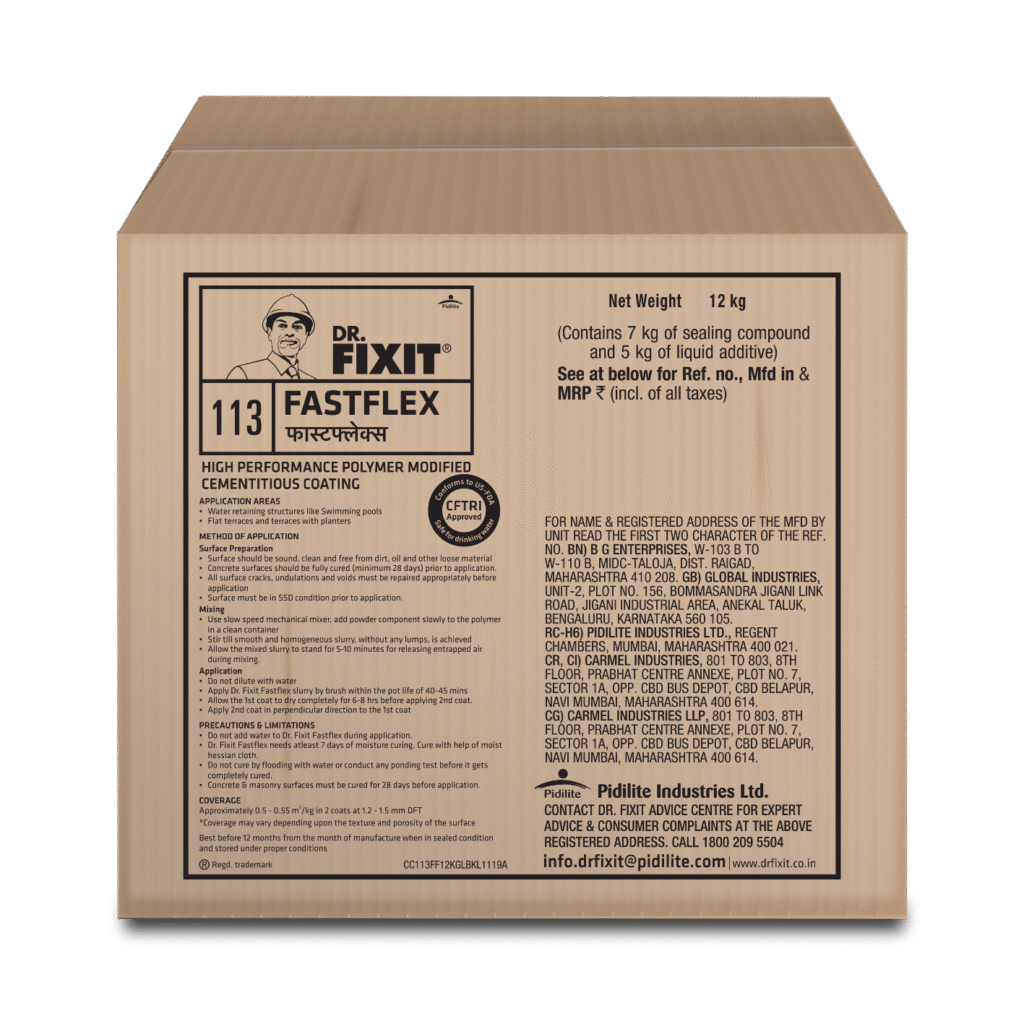
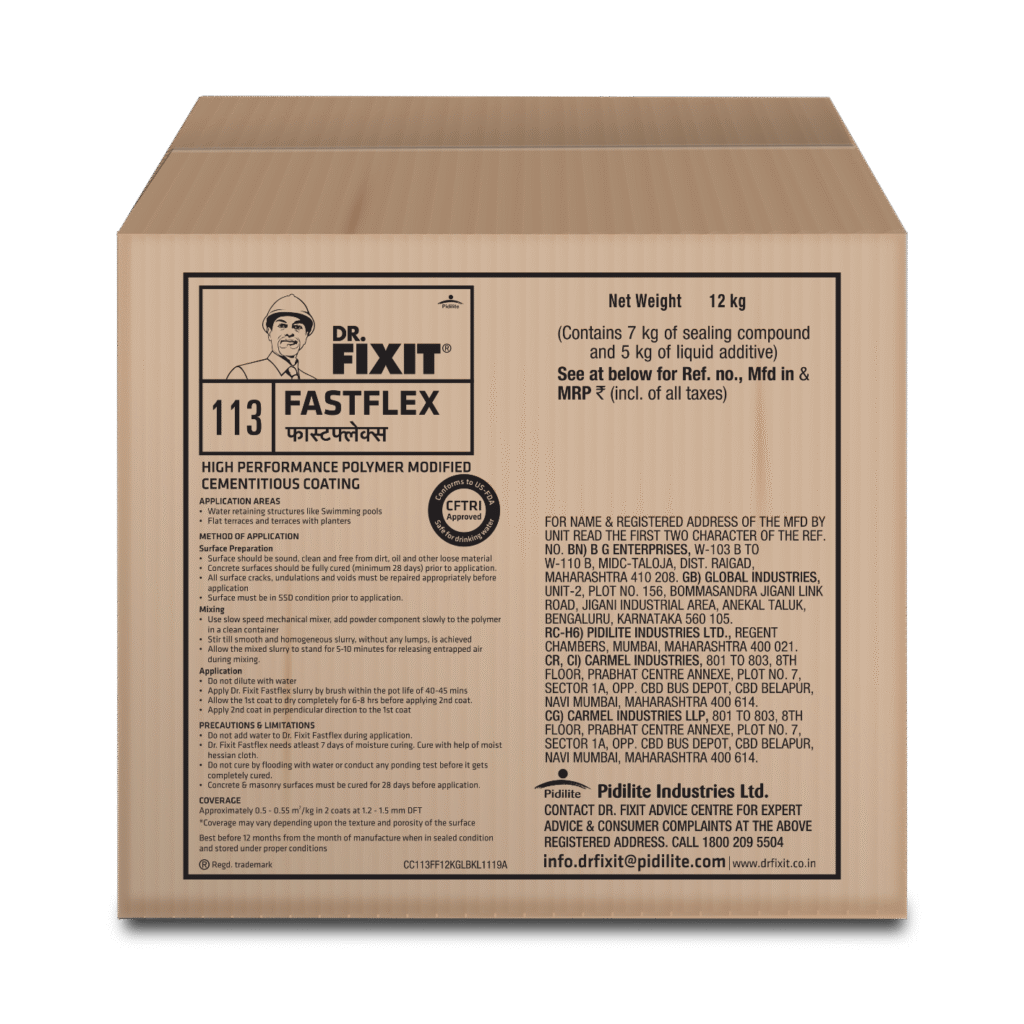
One of the standout products in Dr. Fix It’s range is Fastflex, specifically designed for use in drinking water tanks. This product is formulated to provide a seamless waterproof barrier while ensuring that it is safe for potable water. Fastflex not only prevents leaks and seepage but also complies with health standards, making it an ideal choice for safeguarding drinking water.

Fastflex is a High performance polymer modified cementitious coating. Low VOC & food grade.

2. Dr. Fix It LW+

LW+ is an additive that enhances the performance of cement and concrete. This eco-friendly product improves workability, reduces porosity, and increases the overall strength of concrete structures. By incorporating LW+ into your construction materials, you create a more durable foundation that withstands moisture without compromising environmental integrity.

3. Dr. Fix It Pidicrete URP

Pidicrete URP is a versatile SBR latex used for waterproofing and repairs. This product is particularly effective for surfaces exposed to water, such as bathrooms and kitchens. Its eco-friendly formulation ensures that it provides strong adhesion and flexibility while minimizing environmental impact.

4. Dr. Fix It Raincoat

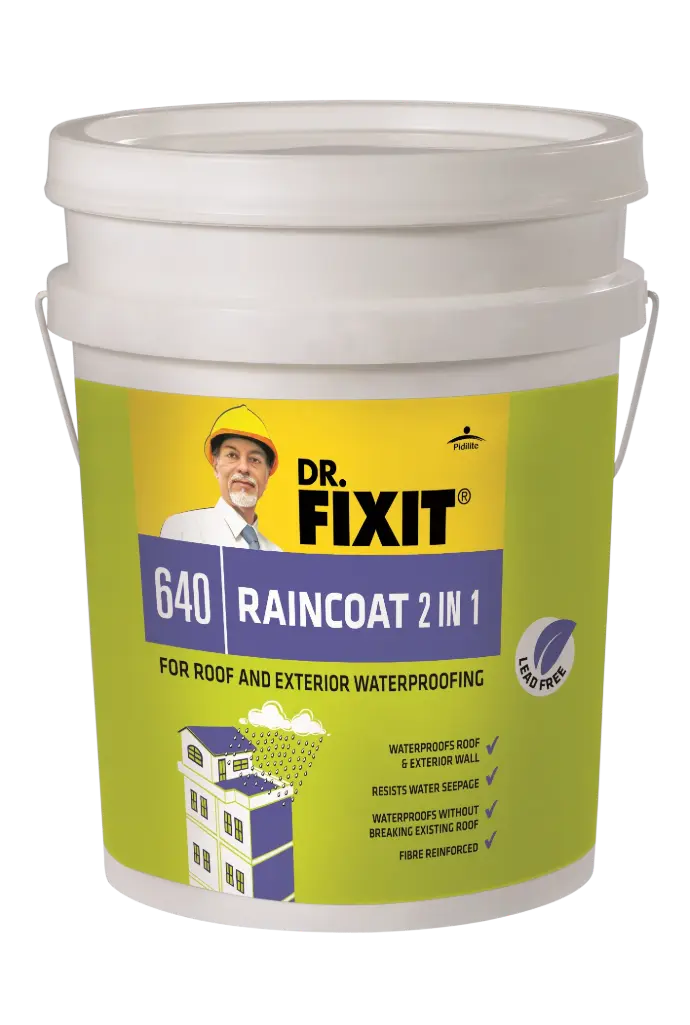
As India’s first external wall waterproof coating brand, Raincoat offers robust protection against moisture while being environmentally conscious. This product creates a durable barrier on exterior walls, preventing water ingress without harming the surrounding ecosystem. Raincoat is also resistant to UV rays, algae, and mildew, ensuring long-lasting performance.

5. Dr. Fix It Dampguard Classic

For internal damp-proofing treatments, Dampguard Classic provides an effective solution without compromising on eco-friendliness. This internal coating protects against moisture ingress in areas like basements and water tanks, ensuring that your living spaces remain dry and healthy.

6. Dr. Fix It Crack-X Paste

Crack-X Paste is a ready-to-use fiber-reinforced filler that aids in surface preparation and waterproofing applications. Its environmentally friendly composition ensures that it effectively seals cracks without releasing harmful chemicals into the environment.

7. Sustainability Initiatives

Dr. Fix It products qualify for IGBC (Indian Green Building Council) LEED certification, which highlights their compliance with green building standards aimed at reducing environmental impacts. By choosing Dr. Fix It’s eco-friendly products, you contribute to sustainable construction practices that benefit both your home and the planet.

Investing in eco-friendly waterproofing solutions from Dr. Fix It not only protects your home from water damage but also supports sustainable building practices. With products like Fastflex, LW+, Raincoat, and others leading the way in innovation and environmental responsibility, homeowners can enjoy peace of mind knowing they are making choices that are beneficial for both their properties and the planet.

Reach out to us for free site inspection on info@greenbuild.co.ke 

Read more