Blog

Why Waterproofing Should Be Your First Home Investment in 2025

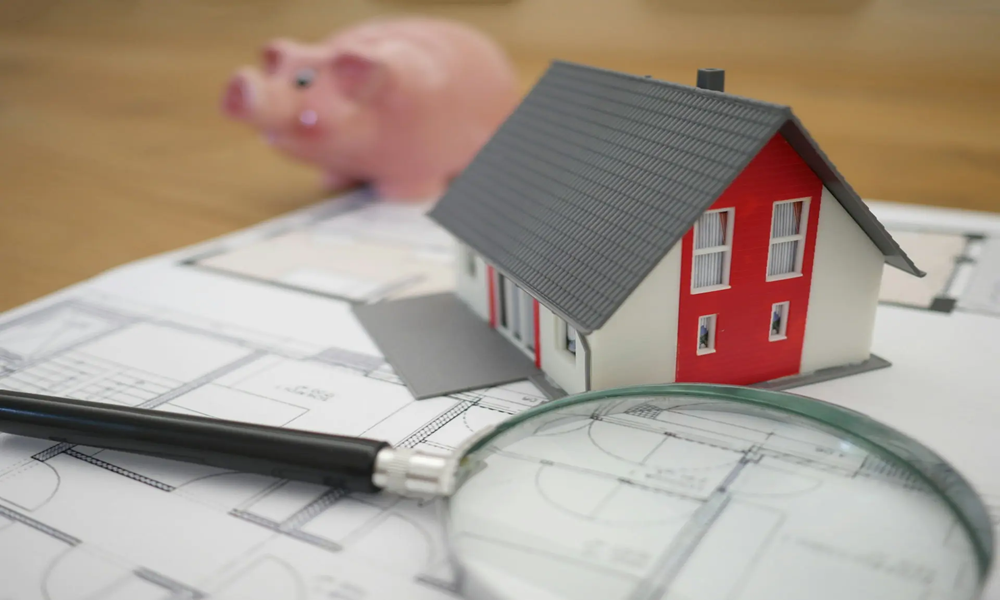
As we step into 2025, homeowners and prospective buyers are increasingly aware of the importance of making smart investments that protect their properties and enhance their value. One of the most crucial yet often overlooked aspects of home maintenance is waterproofing. This essential process not only safeguards your home from water damage but also contributes to its overall longevity and market appeal. Here’s why waterproofing should be your first home investment this year.

1. Protect Against Water Damage

Water damage can have devastating effects on a home, leading to structural issues, mold growth, and costly repairs. Investing in waterproofing solutions from the outset protects your property from moisture intrusion, ensuring that your home remains safe and secure against leaks and dampness. Whether it’s sealing basements, roofs, or external walls, effective waterproofing prevents water from compromising your living space.
2. Enhance Indoor Air Quality

Poor indoor air quality (IAQ) is a significant concern for many homeowners. Moisture accumulation can lead to mold growth, which releases harmful spores into the air. By implementing waterproofing measures, you create a dry environment that minimizes the risk of mold and improves IAQ. This not only enhances your comfort but also promotes better health for you and your family.

3. Increase Property Value

A well-executed waterproofing job can increase your property’s value by up to 10%. When potential buyers see that a home is protected against water damage, they are more likely to view it as a solid investment. Highlighting recent waterproofing efforts in your listing can serve as a strong selling point that differentiates your property from others on the market.

4. Boost Energy Efficiency

Water intrusion can compromise insulation effectiveness, leading to higher energy bills and discomfort in your home. A properly waterproofed property maintains the integrity of insulation materials, allowing them to function optimally. This energy efficiency is an attractive feature for buyers who are increasingly conscious of utility costs and environmental impact.

5. Long-Term Cost Savings

While waterproofing may require an upfront investment, it can save you significant amounts in the long run. Preventing water damage reduces the need for costly repairs and renovations down the line. Additionally, by enhancing energy efficiency, you’ll enjoy lower utility bills over time.

6. Peace of Mind

Investing in waterproofing provides peace of mind knowing that you have taken proactive steps to protect your home from potential water-related issues. This sense of security allows you to enjoy your living space without worrying about leaks or dampness affecting your property.

7. Stay Ahead of Climate Challenges

As climate change continues to impact weather patterns, homes are increasingly at risk of flooding and water damage due to heavy rains and storms. Waterproofing acts as a safeguard against these unpredictable weather events, ensuring that your home remains resilient in the face of climate challenges.
In 2025, making smart investments in your home is more important than ever. Waterproofing should be at the top of your list as it offers protection against water damage, enhances indoor air quality, increases property value, boosts energy efficiency, provides long-term cost savings, and offers peace of mind. Don’t wait until water damage occurs; take action now to protect your investment and ensure a safe and comfortable living environment for years to come.

For expert advice on waterproofing solutions tailored to your needs, contact GreenBuild Waterproofing Solutions today! Stay informed about maintaining a healthy living space
Read more

What is Concrete Microtopping?

Microtopping, also known as microcement, has rapidly gained popularity in Kenya as a modern waterproofing solution, particularly in bathrooms. This innovative material combines functionality with aesthetic appeal, making it an attractive choice for homeowners and designers alike. In this article, we will explore the origins of microtopping, its pros and cons from a waterproofing perspective, and its aesthetic benefits from an interior design standpoint.

The Origin and Popularity 

Microtopping originated in Europe as a versatile flooring solution that offered a seamless, contemporary finish. Its rise to popularity can be attributed to the increasing demand for sustainable and efficient building materials. In Kenya, the construction industry has embraced microtopping due to its eco-friendly properties and adaptability to various design styles.

As urbanization continues to grow in Kenya, homeowners are seeking modern solutions that not only meet functional needs but also enhance the visual appeal of their spaces. Microtopping fits this bill perfectly, offering a sleek and minimalist look that resonates well with contemporary design trends. Its ability to be applied over existing surfaces without extensive demolition has further fueled its popularity among homeowners looking to renovate their bathrooms efficiently.

Pros

1. Inherent Waterproof Properties: Microtopping provides a water-resistant surface that can effectively prevent moisture penetration when properly sealed. This feature is crucial in bathrooms where water exposure is constant.

2. Seamless Application: The absence of joints and grout lines minimizes the risk of water infiltration, reducing the likelihood of mold and mildew growth—a common issue with traditional tile installations.

3. Durability: Microtopping is highly durable and resistant to wear and tear, ensuring long-lasting performance even in high-traffic areas like bathrooms. Unlike tiles that may crack or chip, microtopping maintains its integrity over time.

4. Low Maintenance: The smooth surface of microtopping simplifies cleaning routines compared to tiled surfaces with grout lines that trap dirt and moisture. Regular maintenance is straightforward, requiring only basic cleaning products.

5. Quick Installation: Microtopping can be applied relatively quickly, reducing downtime during renovations. This efficiency is particularly beneficial for homeowners who want minimal disruption during bathroom upgrades.

Cons

1. Not Completely Waterproof Without Sealants: While microtopping is water-resistant, it requires proper sealing to achieve full waterproofing capabilities. Neglecting this step can lead to moisture issues over time.

2. Potential for Cracking: If not applied correctly or if the underlying substrate shifts significantly, microtopping can crack. Proper installation techniques are essential to mitigate this risk.

3. Sensitivity to Humidity: High humidity levels can affect microtopping if the substrate is not adequately prepared or insulated before application.

4. Surface Preparation Requirements: For optimal performance, existing surfaces must be properly prepared before applying microtopping. Any defects or moisture issues must be addressed beforehand.

5. Cost Considerations: While microtopping can be cost-effective in the long run due to its durability and low maintenance needs, the initial installation may be more expensive than traditional tiles.

Aesthetic Benefits for Interior Design

Microtopping offers significant aesthetic advantages that make it a favorite among interior designers:

1. Customizable Designs: Available in a wide range of colors and textures, microtopping allows homeowners to achieve a unique look that complements their overall design vision. Whether aiming for a modern or rustic feel, microtopping can adapt to various styles.

2. Enhanced Light Reflection: The smooth surface of microtopping reflects light effectively, making bathrooms appear brighter and more spacious—an essential factor in smaller spaces.

3. Cohesive Design Opportunities: Microtopping can be applied not only on floors but also on walls, sinks, and shower trays, creating a seamless design throughout the bathroom space. This versatility allows for creative applications that enhance the overall aesthetic appeal.

4. Minimalist Appeal: The sleek finish of microtopping aligns perfectly with contemporary design trends that favor minimalism and simplicity, making it an ideal choice for modern interiors.

Microtopping has emerged as a leading waterproofing solution in Kenya’s construction landscape due to its combination of functionality and aesthetic appeal. While it offers numerous advantages over traditional tiles; such as seamless application, durability, and low maintenance, it also requires careful installation and sealing to maximize its waterproof capabilities. It’s customizable options and minimalist appeal make it a standout choice for creating beautiful and functional bathroom spaces. As awareness of this innovative material continues to grow, it is likely to play an increasingly significant role in shaping modern Kenyan interiors.

GreenBuild Waterproofing Solutions is a leader in the delivery of tailored constructive solutions in commercial and residential spaces. Call +254 700 288 388

Read more

Boost Your Property Value: The Impact of Effective Waterproofing

When it comes to real estate, property value is influenced by a myriad of factors, from location and size to aesthetics and condition. One often-overlooked aspect that can significantly enhance a property’s market appeal is effective waterproofing. Research indicates that a well-executed waterproofing job can increase your property’s value by up to 10%. Here’s how investing in waterproofing not only protects your investment but also boosts its attractiveness to potential buyers.

1. The Importance of First Impressions

In real estate, first impressions matter. When prospective buyers tour a property, they assess not just the aesthetics but also the overall condition of the home. Signs of water damage, such as stains on walls, musty odors, or mold growth, can deter potential buyers and lead them to question the integrity of the structure. A properly waterproofed home presents a clean, well-maintained appearance that instills confidence in buyers.

2. Preventing Water Damage

Water damage can wreak havoc on a property, leading to costly repairs and extensive renovations. By investing in waterproofing solutions—such as sealing basements, roofs, and external walls—you protect your home from moisture intrusion. This proactive approach not only prevents damage but also reduces the likelihood of future repair costs, making your property more appealing to buyers who value long-term stability.

3. Enhancing Indoor Air Quality

A well-waterproofed home contributes to better indoor air quality by preventing mold growth and minimizing allergens associated with dampness. Poor indoor air quality can be a significant turn-off for potential buyers, as it poses health risks and creates an uncomfortable living environment. By ensuring that your home is dry and free from mold, you enhance its overall appeal and marketability.

4. Increasing Energy Efficiency

Water intrusion can compromise insulation effectiveness, leading to higher energy bills and discomfort in the home. A waterproofed property maintains the integrity of insulation materials, allowing them to function optimally. This energy efficiency is an attractive feature for buyers who are increasingly conscious of utility costs and environmental impact.

5. Boosting Curb Appeal

Curb appeal plays a crucial role in attracting potential buyers. A home that shows signs of water damage—such as peeling paint or crumbling foundations—can diminish its exterior appeal. Effective waterproofing helps maintain the structural integrity of your home’s exterior, ensuring that it looks its best year-round. This visual appeal can significantly influence a buyer’s perception and willingness to make an offer.

6. Increasing Marketability

In competitive real estate markets, properties that stand out tend to sell faster and at higher prices. A well-waterproofed home offers peace of mind to buyers who are concerned about potential issues down the line. Highlighting recent waterproofing efforts in your listing can serve as a strong selling point that differentiates your property from others on the market.

7. Long-Term Investment Protection

Investing in waterproofing is not just about immediate benefits; it’s also about long-term protection for your investment. Properties that are well-maintained with effective waterproofing systems tend to appreciate more over time compared to those that require extensive repairs due to neglect. This long-term view is essential for homeowners looking to maximize their return on investment.

A well-executed waterproofing job can increase your property’s value by up to 10%, making it a smart investment for any homeowner or real estate investor. By protecting your investment from water damage, enhancing indoor air quality, improving energy efficiency, boosting curb appeal, increasing marketability, and ensuring long-term protection, waterproofing plays a vital role in maximizing property value.

For more tips on maintaining and improving your property’s value, subscribe to our blog today!

Read more

How Waterproofing Improves Indoor Air Quality

When it comes to creating a healthy living environment, indoor air quality (IAQ) is often overlooked.  However, poor indoor air quality, studies show, may give way to a certain health condition or two, including respiratory problems and allergies. One of the most important but commonly disregarded ways of ensuring good indoor air quality involves waterproofing. 

Here’s how effective waterproofing can make big differences in the air you breathe indoors.

1. Prevents Moisture Accumulation

Moisture is one of the primary causes of poor indoor air quality. When water enters your home through cracked walls, roofs, or foundations, it creates a damp environment highly inviting for mold and mildew growth. Waterproofing prevents moisture from seeping into the house, hence decreasing chances of proliferation of those harmful substances indoors.

2. Reduce Mold Growth

Mold thrives in moist conditions and launches spores into the air, which are not healthy to inhale. By applying waterproofing practices that involve basement sealing, crawl spaces, and bathrooms, you will create an area that is not favorable for mold growth. This will surely safeguard your property and keep the air clean and safe for occupants.

3. Minimizes Alergens

Dampness can attract dust mites and other allergens impeding indoor air quality. Waterproofing keeps moisture from building up in concealed areas of the home, such as crawl spaces and attics, making the intrusion into your living space minimal. A dry home is less likely to have irritants that trigger allergies or asthma attacks.

4. Improves Overall Comfort

A well-waterproofed home is far healthier and also comfortable. By removing excess moisture, you get rid of musty odors that come with dampness; thus, you have a more pleasant living area. Many homeowners say they feel much more comfortable being in an area that is dry and has no mold or mildew lurking about.

5. Protects Structural Integrity

Water intrusion will, over time, weaken structural members, which means costly repairs and possible safety hazards. By investing in waterproofing solutions, you’re protecting not just your health, but also structural components important to the integrity of your house. A sound structure means better air quality inside since the hazards of air and vapor pollutants entering through compromised zones are minimal.

6. Adds Value to Your Property

Houses with waterproofing systems are most salable due to their improved indoor air quality and good general condition. First, waterproofing invests in one’s living, and second, it increases the price of a home when it is time to sell it.

It is the very worthy investment any homeowner should make in their premises to purify indoor air and have a healthier living atmosphere. By preventing the accumulation of moisture, reducing mold growth, minimizing allergens, improving energy efficiency, and protecting structural integrity, waterproofing will go a long way in helping a house stay in a healthy and comfortable, as well as a very safe, environment.

For more about how waterproofing benefits your house, or to request our professionals’ assistance with waterproofing services, do not hold back from reaching out to us!

Stay tuned for interesting tips and facts on keeping a healthy living space—follow our blog!

Read more

Build Smart: Invest in Waterproofing

When it comes to construction and homeownership, the phrase “build smart” resonates deeply. It signifies making informed decisions that not only enhance the quality of your structure but also protect your investment for years to come. One of the most critical aspects of building smart is investing in waterproofing from the very beginning.

Why Waterproofing Matters

Waterproofing is often overlooked during the planning and construction phases, yet it plays a pivotal role in safeguarding your property against water damage. Here are several reasons why investing in effective waterproofing solutions is essential:

1. Protect Your Investment

Water damage can lead to significant repair costs, including structural damage, mold remediation, and interior repairs. By prioritizing waterproofing, you shield your property from these potential issues, ensuring that your investment remains intact.

2. Enhance Durability

Effective waterproofing solutions extend the lifespan of your building materials. By preventing moisture infiltration, you reduce the risk of rot, decay, and corrosion, which can compromise the integrity of your structure over time.

3. Improve Indoor Air Quality

Moisture buildup can lead to mold growth and poor indoor air quality, which poses health risks to occupants. Proper waterproofing minimizes humidity levels and keeps your living environment healthy and comfortable.

4. Increase Property Value

A well-maintained property with effective waterproofing systems is more appealing to potential buyers. Investing in waterproofing not only protects your home but can also enhance its market value when it comes time to sell.

5. Tailored Solutions for Your Needs

Every property is unique, and so are its waterproofing needs. From basements and roofs to bathrooms and external walls, customized waterproofing solutions ensure that every vulnerable area is adequately protected.

The Smart Building Approach

Building smart means taking a proactive approach to construction. Here are some steps you can take to incorporate waterproofing into your building strategy:

Consult Professionals: Engage with experts who specialize in waterproofing solutions. They can assess your property’s specific needs and recommend the best products and techniques.

Use Quality Materials: Invest in high-quality waterproofing materials that offer durability and long-lasting protection.

Plan for Maintenance: Waterproofing isn’t a one-time task; schedule regular inspections and maintenance to ensure that your systems remain effective over time.

Investing in waterproofing from the start is a smart decision that pays off in the long run. It protects your investment, enhances durability, improves indoor air quality, and increases property value. Don’t leave your home’s safety to chance—prioritize waterproofing as an integral part of your building strategy.

Stay informed with our expert advice on waterproofing and other essential home maintenance topics—subscribe to our blog today for valuable insights!  Subscribe Now!

Read more

Grouting Drainage Outlets Before Waterproofing

Effective waterproofing is crucial for maintaining the integrity and longevity of structures, especially in environments prone to water infiltration. One of the essential steps in the waterproofing process is grouting drainage outlets. This article explores why this practice is vital for ensuring optimal waterproofing performance.

Understanding Grouting and Its Role

Grouting involves injecting a mixture, often cement-based or chemical, into voids or cracks to create a barrier against water infiltration. When it comes to drainage outlets, grouting serves several critical functions:

  1. Sealing Leaks: Drainage outlets can often be points of vulnerability where water can seep through. By grouting these areas, you create a watertight seal that prevents moisture from entering the structure, which is especially important in areas subject to heavy rainfall or flooding.
  2. Stabilizing Surrounding Soil: Grouting helps to stabilize the soil around drainage outlets. This is particularly important in areas where soil erosion or shifting can occur due to water flow. By reinforcing the soil, you reduce the risk of structural damage that can arise from unstable ground.
  3. Preventing Groundwater Infiltration: Many drainage systems are designed to manage surface water, but they can also inadvertently allow groundwater to enter if not properly sealed. Grouting effectively blocks these pathways, ensuring that only intended water flows through the drainage system.

The Consequences of Neglecting Grouting

Failing to grout drainage outlets before waterproofing can lead to several issues:

  • Water Damage: Without proper sealing, water can infiltrate through unsealed outlets, leading to leaks and damage within the structure. This can result in costly repairs and potential safety hazards.
  • Mold and Mildew Growth: Excess moisture from leaks creates an ideal environment for mold and mildew, which can compromise indoor air quality and pose health risks to occupants.
  • Reduced Lifespan of Waterproofing Systems: If water seeps through ungrouted outlets, it can undermine the effectiveness of waterproofing membranes and coatings, leading to premature failure and the need for costly replacements.

Best Practices for Grouting Drainage Outlets

To ensure the effectiveness of grouting drainage outlets, consider the following best practices:

  1. Proper Surface Preparation: Before applying grout, ensure that the surfaces are clean and free from debris. This enhances adhesion and ensures a more effective seal.
  2. Choosing the Right Grout: Select a grout that is compatible with the materials of the drainage outlet and the surrounding structure. Chemical grouts may be more effective in certain situations, especially where flexibility and water resistance are critical.
  3. Monitoring and Maintenance: After grouting, regularly inspect drainage outlets for signs of wear or damage. Promptly addressing any issues can prevent larger problems down the line.

Grouting drainage outlets before waterproofing is a critical step that should not be overlooked. By sealing these potential points of water ingress, you enhance the overall effectiveness of waterproofing systems, protect structural integrity, and prolong the lifespan of your building. Investing in this essential practice can save time, money, and headaches in the long run, ensuring a safe and dry environment for all occupants.

Read more

Impact of Compromised Waterproofing and How to Prevent It

Waterproofing is not just about protecting your building’s structural integrity; it also plays a crucial role in maintaining its aesthetic appeal. When waterproofing systems fail, the consequences can be devastating, both in terms of functionality and visual appeal. 

In this article, we’ll explore the aesthetic impact of compromised waterproofing and provide practical solutions to prevent it.

The Domino Effect of Waterproofing Failures

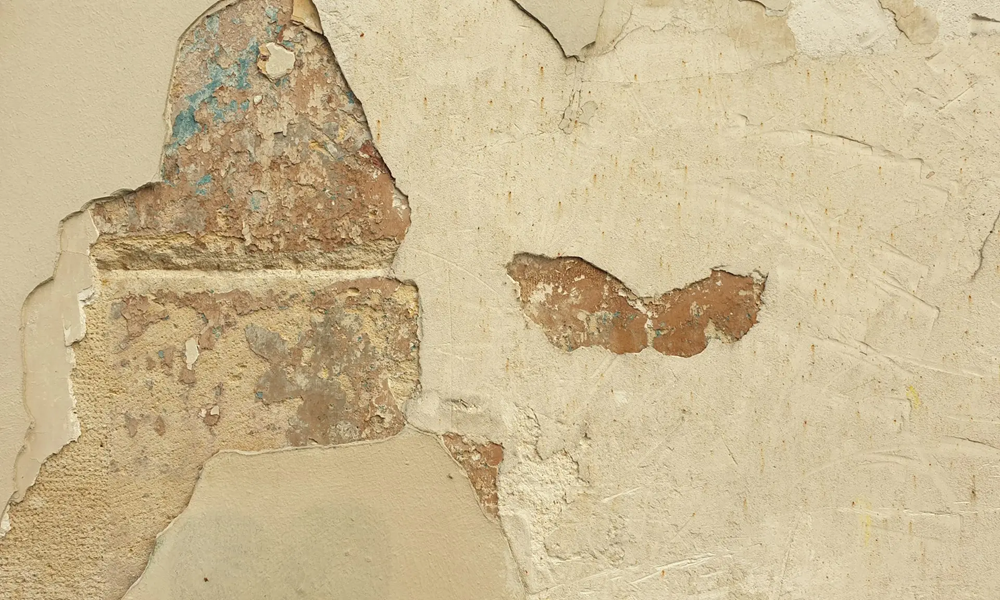
When waterproofing systems fail, water infiltration can lead to a host of problems that gradually deteriorate the appearance of your building. Leaks and dampness can cause paint to peel, walls to discolor, and tiles to crack or loosen. Over time, mold and mildew can grow, creating an unsightly and unhygienic environment. In extreme cases, structural damage can occur, leading to costly repairs and potential safety hazards.

Preventing Aesthetic Damage with Proper Waterproofing

The best way to maintain your building’s aesthetic appeal is to invest in proper waterproofing from the start. Here are some key steps to ensure your waterproofing system is effective:

  1. Choose high-quality materials: Opt for durable, long-lasting waterproofing membranes and coatings that are suitable for your building’s specific needs and climate.
  2. Ensure proper installation: Hire experienced professionals who follow best practices and manufacturer guidelines to ensure a seamless, watertight application.
  3. Conduct regular inspections and maintenance: Regularly inspect your waterproofing system for signs of wear and tear, and address any issues promptly to prevent further damage.
  4. Incorporate aesthetic considerations: Work with your waterproofing contractor to choose materials and finishes that complement your building’s design and enhance its overall appearance.

Case Study: Successful Waterproofing Project

At GreenBuild Waterproofing Solutions, we recently completed a waterproofing project for a high-end residential complex in Nairobi. The building had suffered from chronic leaks and water damage, leading to unsightly stains, peeling paint, and mold growth. 

By working closely with the property owners, we were able to develop a comprehensive waterproofing solution that addressed their functional and aesthetic concerns.

We used a combination of liquid membranes, sealants, and protective coatings to create a seamless, watertight barrier. Our team of experienced technicians ensured a flawless installation, paying close attention to detail and minimizing disruption to the residents. 

he result was a building that not only stood strong against water infiltration but also boasted a fresh, clean appearance that enhanced the overall property value.

Compromised waterproofing can have a significant impact on the aesthetic appeal of your building, leading to a host of problems that gradually deteriorate its appearance. 

By investing in proper waterproofing solutions and regular maintenance, you can protect your building’s visual appeal and ensure its longevity. 

At GreenBuild Waterproofing Solutions, we are committed to providing high-quality waterproofing services that combine functionality with aesthetic considerations. 

Contact us today to learn more about how we can help you protect your building’s beauty and integrity.

Read more

Common Problems Experienced in Modern Commercial and Residential Spaces

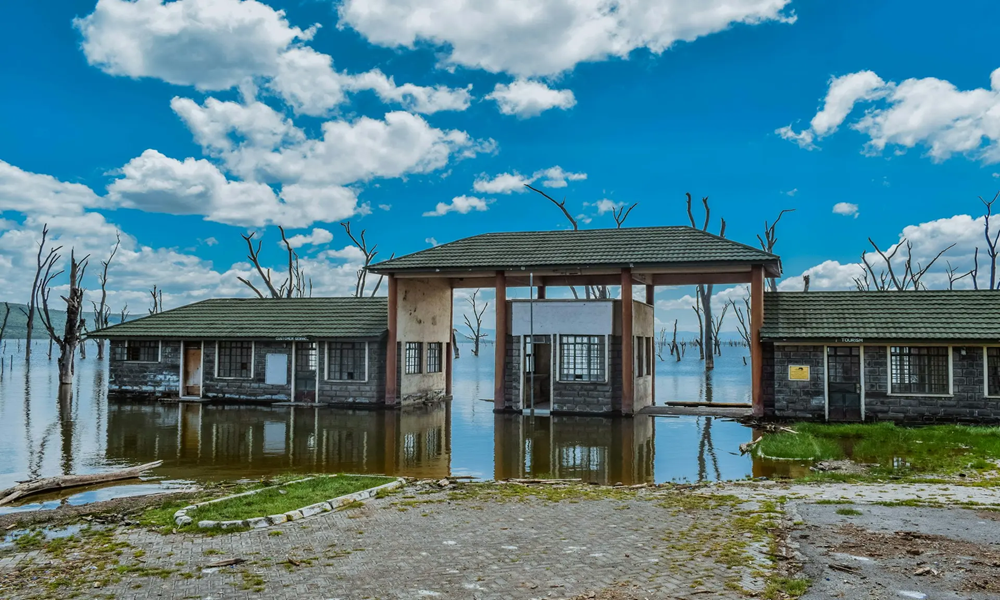
Nairobi’s rapid urban development has led to the rise of numerous gated communities, offering residents a sense of security and modern living amenities. However, with these developments come challenges, especially during extreme weather events such as the recent floods. In this blog post, we will explore the common problems experienced in gated communities in Nairobi due to flooding and provide practical tips on how to be vigilant and protect your space with Greenbuild Waterproofing Solutions.

Common Problems

1. Water Ingress and Basement Flooding

Many new gated communities feature underground parking and basements, which are highly susceptible to water ingress and flooding during heavy rains. Poor drainage systems and inadequate waterproofing can lead to significant water damage.

2. Roof Leaks

Flat and low-pitched roofs are common in modern architecture but can be prone to leaks if not properly waterproofed. Water pooling on the roof can seep through, causing damage to ceilings and interiors.

3. Foundation Cracks

Excess water can exert pressure on building foundations, leading to cracks and structural damage. Over time, this can compromise the stability of the buildings within the community.

4. Mold and Mildew Growth

Prolonged exposure to moisture can lead to mold and mildew growth, which not only damages building materials but also poses health risks to residents. This is particularly a concern in poorly ventilated areas.

5. Poor Drainage Systems

Inadequate or poorly designed drainage systems can result in water pooling around buildings, exacerbating the risk of water ingress and foundation damage.

6. Erosion and Landscaping Damage

Heavy rains can cause soil erosion, damaging landscaping and affecting the overall aesthetic appeal of the community. Erosion can also impact the stability of structures built on slopes.

How to Be Vigilant and Protect Your Space

1. Regular Inspections

Conduct regular inspections of your property to identify potential issues early. Check for signs of water ingress, such as damp patches on walls, ceiling stains, and musty odors. Pay special attention to basements, roofs, and foundation areas.

2. Invest in Quality Waterproofing Solutions

Utilize high-quality waterproofing products from Greenbuild Waterproofing Solutions to protect vulnerable areas of your property. Ensure that roofs, basements, and foundations are properly sealed to prevent water ingress.

3. Ensure Proper Drainage

Verify that the community’s drainage systems are adequate and well-maintained. Clear gutters, downspouts, and drains of debris to ensure water flows away from buildings. Consider installing additional drainage solutions if necessary.

4. Address Cracks Promptly

If you notice any cracks in walls, floors, or foundations, address them promptly. Small cracks can be sealed with appropriate fillers, but larger or expanding cracks may require professional assessment and repair.

5. Improve Ventilation

Ensure that your property is well-ventilated to prevent moisture buildup and mold growth. Use exhaust fans in bathrooms and kitchens, and consider installing dehumidifiers in areas prone to dampness.

6. Landscape Wisely

Implement landscaping solutions that minimize erosion and direct water away from buildings. Use ground cover plants, retaining walls, and proper grading to manage water flow effectively.

7. Stay Informed

Stay informed about weather forecasts and flood warnings. During heavy rains, take proactive measures such as placing sandbags around vulnerable areas and relocating valuables to higher ground.

Greenbuild Waterproofing Solutions: Your Partner in Protection

At Greenbuild Waterproofing Solutions, we understand the unique challenges faced by new gated communities in Nairobi. Our range of high-quality waterproofing products and services is designed to address these challenges effectively, ensuring that your property remains safe and dry even during extreme weather events.

Our Key Products and Services

Basement Waterproofing: Comprehensive solutions to prevent water ingress and basement flooding.

Roof Waterproofing: Durable and flexible waterproofing membranes for long-lasting roof protection.

Foundation Waterproofing: Effective products to seal and protect building foundations from water damage.

Mold and Mildew Prevention: Solutions to control moisture and prevent mold growth in your property.

Protecting your space in Nairobi requires vigilance and the right solutions. By conducting regular inspections, investing in quality waterproofing products, ensuring proper drainage, and addressing issues promptly, you can safeguard your property against the common problems caused by flooding. Greenbuild Waterproofing Solutions is here to support you with expert advice and high-performance products tailored to your needs. Stay proactive and keep your community safe and resilient against the challenges of Nairobi’s weather.

Read more

Addressing Hairline Cracks in Buildings

Hairline cracks in buildings are a common issue that can cause concern for property owners. These small, fine cracks can appear in walls, ceilings, floors, and other structural elements. While often seen as a minor problem, hairline cracks can be indicative of underlying issues that, if left unaddressed, may lead to more significant damage. This article will explore the causes of hairline cracks, their implications, and how to address them effectively.

What Are Hairline C​racks?

Hairline cracks are very thin cracks, usually less than 1mm wide, that appear on the surface of building materials like plaster, concrete, or brick. They are often superficial but can sometimes indicate deeper structural problems.

Common Causes of Hairline Cracks

1. Thermal Expansion and Contraction

Building materials expand and contract with temperature changes. This natural movement can cause hairline cracks to form, especially in areas exposed to significant temperature variations.

2. Drying Shrinkage

As concrete, plaster, or mortar cures and dries, it can shrink slightly. This shrinkage can lead to the formation of hairline cracks, particularly in new constructions or recently renovated areas.

3. Structural Movement

Buildings settle over time due to changes in the soil, foundation settling, or structural adjustments. This movement can cause hairline cracks to appear in walls and ceilings.

4. Poor Construction Practices

Improper mixing of materials, inadequate curing times, or poor workmanship can contribute to the development of hairline cracks. Ensuring high construction standards is crucial to minimize such issues.

5. Moisture Infiltration

Moisture penetration can weaken building materials and cause hairline cracks. This is especially common in areas with inadequate waterproofing or drainage systems.

Implications of Hairline Cracks

While hairline cracks are often superficial, they should not be ignored. If left unaddressed, they can:

  • Worsen Over Time: Small cracks can expand and deepen, leading to more significant structural issues.
  • Allow Water Ingress: Cracks can provide pathways for water to enter the building, causing moisture damage, mold growth, and further weakening of the structure.
  • Reduce Aesthetic Appeal: Visible cracks can detract from the appearance of a property, affecting its value and desirability.
  • Indicate Underlying Problems: In some cases, hairline cracks may signal more serious underlying issues, such as foundation problems or structural instability.

Addressing Hairline Cracks

1. Inspection and Assessment

Conduct a thorough inspection to determine the extent and cause of the cracks. This may involve examining the building’s foundation, structural elements, and environmental conditions. Consulting a structural engineer or building professional can provide valuable insights and recommendations.

2. Cleaning and Preparation

Clean the cracked area to remove any loose debris, dirt, or dust. This ensures better adhesion of repair materials and allows for a more effective repair.

3. Filling the Cracks

For minor, superficial cracks, use a suitable crack filler or sealant. Products like acrylic fillers, polyurethane sealants, or epoxy resins are effective for filling hairline cracks. Follow the manufacturer’s instructions for application and curing times.

4. Monitoring and Maintenance

Regularly monitor the repaired areas for any signs of new cracks or changes in existing ones. Implement a maintenance routine to address any issues promptly, ensuring the longevity and integrity of the building.

5. Addressing Underlying Causes

If the cracks are due to underlying issues like structural movement or moisture infiltration, take corrective measures to address these problems. This may involve improving drainage systems, reinforcing structural elements, or implementing better waterproofing solutions.

6. Professional Assistance

For significant or persistent cracks, seek professional assistance. Structural engineers and building experts can provide comprehensive assessments and recommend appropriate solutions to ensure the stability and safety of the building.

Conclusion

Hairline cracks in buildings are a common but manageable issue. Understanding their causes and implications is essential for addressing them effectively. By conducting regular inspections, using suitable repair materials, and addressing underlying problems, property owners can maintain the structural integrity and aesthetic appeal of their buildings. Taking proactive steps to manage hairline cracks ensures a safe and durable living or working environment.

Read more

Best Practices for Effective Waterproofing in Kenya

Effective waterproofing is crucial for maintaining the integrity and longevity of buildings in Kenya. With diverse weather conditions ranging from heavy rains to high humidity, the need for robust waterproofing solutions cannot be overstated. This article outlines the best practices for ensuring effective waterproofing in Kenya, helping property owners protect their investments from water damage.

1. Start with a Comprehensive Assessment

Before any waterproofing project begins, conduct a thorough assessment of the property. Identify areas prone to water ingress, such as basements, roofs, balconies, and external walls. Engage a professional to perform a detailed inspection, highlighting existing issues and potential problem areas.

2. Use High-Quality Materials

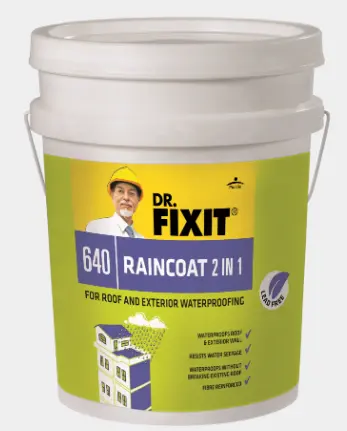
Investing in high-quality waterproofing materials is essential. Products like Dr. Fixit offer reliable solutions designed to withstand Kenya’s climatic conditions. Ensure the materials used are suitable for the specific area being waterproofed, whether it’s a roof, foundation, or bathroom.

Recommended Products

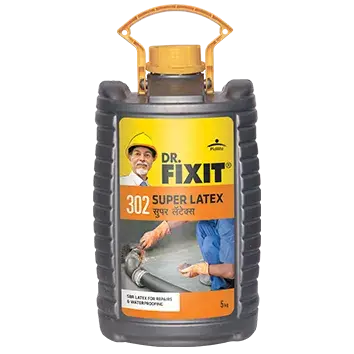
Dr. Fixit Super Latex for waterproofing new and old construction.

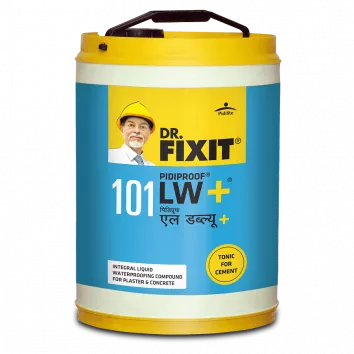
Dr. Fixit LW+ as an additive for concrete to enhance water resistance.

3. Employ Skilled Professionals

The success of a waterproofing project largely depends on the expertise of the applicators. Hiring experienced and trained professionals ensures that the waterproofing system is applied correctly and effectively. Verify the credentials of contractors and review previous projects to gauge their competence.

4. Follow Manufacturer’s Instructions

Adhering to the manufacturer’s guidelines for the application of waterproofing products is crucial. These instructions are tailored to optimize the performance of the materials, ensuring maximum effectiveness. Skipping steps or using incorrect methods can compromise the waterproofing system.

5. Ensure Proper Surface Preparation

Surface preparation is a critical step in the waterproofing process. Clean and dry the surface thoroughly, removing any dirt, dust, or loose particles. Repair any cracks or defects before applying the waterproofing layer. Proper preparation ensures better adhesion and longevity of the waterproofing system.

6. Implement Multiple Layers

In many cases, a single layer of waterproofing is insufficient. Applying multiple layers of waterproofing material enhances protection and ensures comprehensive coverage. This is especially important for roofs and other horizontal surfaces exposed to standing water.

7. Regular Maintenance and Inspection

Waterproofing is not a one-time task. Regular maintenance and periodic inspections are necessary to identify and address any wear or damage early on. Conducting routine checks, especially after heavy rains or storms, helps maintain the integrity of the waterproofing system.

8. Pay Attention to Drainage

Effective drainage is a key component of waterproofing. Ensure that gutters, downspouts, and drainage systems are clear of debris and functioning properly. Poor drainage can lead to water pooling, increasing the risk of leaks and water damage.

9. Consider Climate and Environment

Kenya’s diverse climate requires tailored waterproofing solutions. In coastal areas, structures are exposed to high humidity and saltwater, necessitating robust waterproofing systems. Inland areas with less rainfall may require different strategies. Assess the specific environmental conditions of your property and choose appropriate waterproofing solutions accordingly.

10. Educate Occupants

Educate the occupants of the building about the importance of waterproofing and how to identify potential issues. Encourage them to report any signs of water damage immediately, allowing for prompt intervention and repair.

Conclusion

Effective waterproofing is essential for protecting buildings in Kenya from water damage. By following these best practices, property owners can ensure the longevity and structural integrity of their investments. From using high-quality materials to regular maintenance, each step plays a vital role in achieving a watertight property. Invest in professional expertise and stay proactive in your approach to waterproofing to keep your property safe and dry.

Read more