Blog

An Introduction to Polyurethane Injection for Waterproofing

Waterproofing is a crucial aspect of construction that ensures the longevity and durability of buildings. Among the various waterproofing methods available, polyurethane injection has emerged as a versatile and highly effective solution. 

What is Polyurethane Injection?

Polyurethane injection is a waterproofing technique that involves injecting a polyurethane resin into cracks, joints, and voids within concrete or masonry structures. The resin reacts with water, expanding and forming a watertight seal. This method is widely used for both negative and positive waterproofing applications, providing a robust solution to prevent water ingress and protect structural integrity.

How Polyurethane Injection Works

Polyurethane injection involves a series of steps to ensure effective waterproofing:

  1. Assessment and Preparation:
    • Inspection: Identify all cracks, joints, and voids where water ingress is occurring.
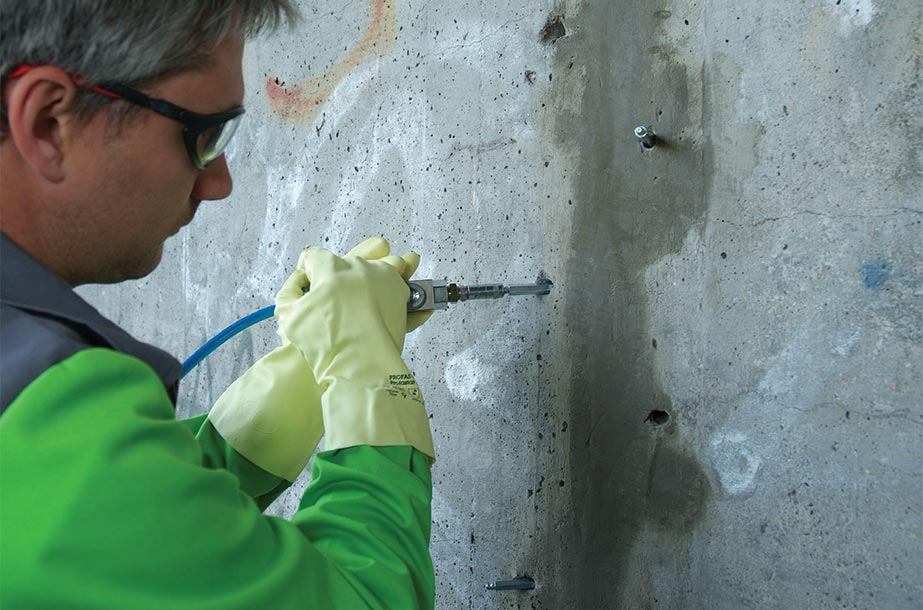
    • Drilling: Drill holes at strategic points along the affected areas to insert injection ports (packers).
  2. Injection Process:
    • Mixing: Prepare the polyurethane resin, ensuring it is mixed to the correct consistency.
    • Injection: Use high-pressure pumps to inject the resin through the packers into the cracks and voids. The resin reacts with any present moisture, expanding and filling the spaces.
  3. Curing and Sealing:
    • Curing: Allow the injected resin to cure, forming a flexible, watertight seal.
    • Final Inspection: Conduct a thorough inspection to ensure all cracks and voids are adequately sealed.

Benefits of Polyurethane Injection
Polyurethane injection offers several advantages that make it a preferred choice for waterproofing:

  1. Effective Waterproofing:
    • The expanding nature of polyurethane allows it to fill even the smallest cracks and voids, providing a comprehensive waterproof barrier.
  2. Durability:
    • Once cured, polyurethane forms a durable, flexible seal that can withstand structural movements and environmental conditions.
  3. Versatility:
    • Suitable for a wide range of applications, including basements, tunnels, retaining walls, foundations, and more.
  4. Minimal Disruption:
    • The injection process is carried out internally, causing minimal disruption to building occupants and operations.
  5. Cost-Effective:
    • Compared to extensive excavation and external waterproofing methods, polyurethane injection is often more affordable and quicker to apply.

Applications of Polyurethane Injection

Polyurethane injection is used in various construction scenarios to address water ingress and structural issues:

  • Basement Waterproofing: Sealing cracks and joints in basement walls and floors to prevent water seepage.
  • Tunnel Waterproofing: Addressing leaks and water ingress in tunnels and underground structures.
  • Foundation Repair: Strengthening and waterproofing foundations by sealing cracks and voids.
  • Concrete Structures: Repairing and waterproofing concrete structures, including bridges, dams, and parking garages.

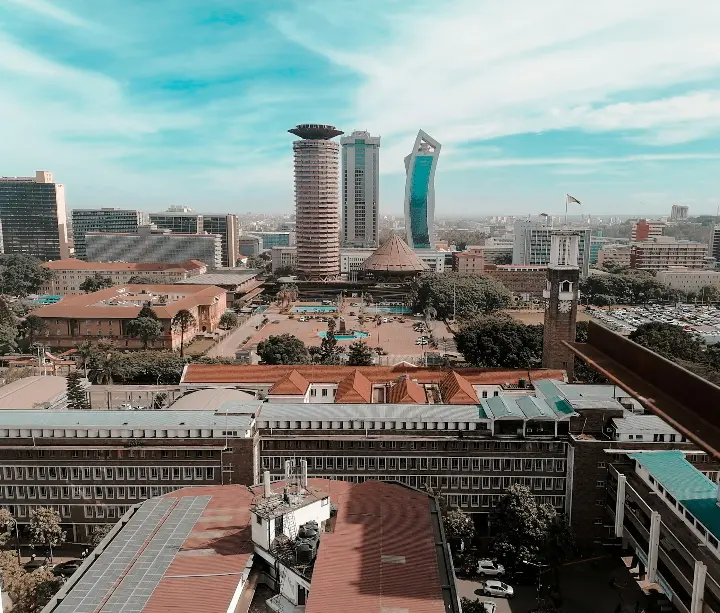
Basement Waterproofing in Nairobi, Kenya

The Challenge

In Nairobi, a commercial building experienced severe water ingress in its basement. The water infiltration was causing significant damage to the structure and creating an unhealthy environment for occupants. Traditional positive waterproofing methods were not feasible due to access issues and the high cost of exterior excavation.

The Solution

A negative waterproofing solution was implemented using polyurethane injection. The process involved the following steps:

  1. Assessment: A thorough inspection was conducted to identify all points of water ingress and determine the extent of the damage.
  2. Preparation: Injection ports (packers) were strategically placed into drilled holes along the affected areas.
  3. Injection: High-pressure pumps were used to inject polyurethane foam into the packers. The polyurethane expanded to fill cracks and voids, creating a watertight seal.
  4. Curing: The polyurethane was allowed to cure, forming a flexible yet durable barrier against water ingress.

Results

The negative waterproofing intervention successfully sealed all points of water ingress, preventing further water penetration into the basement. The interior spaces were protected from water damage, mold growth was halted, and the structural integrity of the building was preserved.

Benefits Realized

  • Cost Savings: The negative waterproofing method was more affordable than extensive exterior excavation.
  • Minimal Disruption: The work was completed from the inside, causing minimal disruption to building occupants.
  • Long-Term Protection: The polyurethane provided a durable and flexible barrier, ensuring long-term protection against water ingress.

Polyurethane injection is a powerful tool in the arsenal of waterproofing techniques. Its ability to effectively seal cracks and voids, coupled with its durability and versatility, makes it an ideal solution for a wide range of applications. Whether you are dealing with a leaky basement in Nairobi or a complex infrastructure project elsewhere, polyurethane injection can provide the robust waterproofing needed to protect and preserve your structures.

Reach out to GreenBuild Waterproofing Solutions on 0700288388

Read more

Negative Waterproofing The Key to Minimal Disruption

In the world of construction, minimizing disruption to building occupants is a critical concern. Traditional waterproofing methods often involve extensive exterior excavation and renovation, causing significant inconvenience and disruption. However, a disruptive solution has emerged – negative waterproofing. This comprehensive guide explores how negative waterproofing can be the key to minimizing disruption while effectively addressing water ingress issues.

The Advantage of Negative Side – Waterproofing

Negative waterproofing is a game-changing approach that applies waterproofing materials to the internal side of a structure where water ingress is occurring. Unlike positive waterproofing, which is applied to the exterior, negative waterproofing is carried out from the inside of the building. This disruptive technique offers a distinct advantage in minimizing disruption to occupants:

Accessibility: Negative waterproofing can be applied from the interior, eliminating the need for extensive exterior excavation and renovation.

Reduced Downtime: The application process is faster and more efficient, minimizing the duration of the project and reducing the impact on building operations.

Minimal Disturbance: Negative waterproofing causes significantly less disruption to the daily activities and routines of building occupants.

Image courtesy of The Waterproof Mag https://www.waterproofmag.com/2011/01/negative-side-waterproofing/ 

Tools and Materials used in Negative Waterproofing

Negative waterproofing often involves the use of specialized tools and materials to effectively address water ingress. These disruptive innovations are transforming the industry:

Injection Pumps: High-pressure pumps that can precisely inject waterproofing materials deep into the structure, minimizing the need for invasive procedures.

Injection Packers: Devices inserted into drilled holes to facilitate the injection of waterproofing materials, further reducing the impact on the building’s interior.

Polyurethane Foam: A versatile material that expands upon injection, effectively filling cracks and voids while remaining flexible and durable, minimizing the risk of future disruptions.

Case Study of a Problematic Basement in Nairobi, Kenya

Recently, a commercial building faced a significant water ingress problem in its basement, causing damage and creating an unhealthy environment for occupants. Traditional waterproofing methods were not feasible due to the high cost and extensive disruption they would have caused.

The solution? Negative waterproofing using polyurethane injection. This disruptive approach allowed the waterproofing work to be carried out from the interior, minimizing the impact on the building’s operations and occupants. The process was faster, more efficient, and caused significantly less disturbance compared to traditional methods.

The results were remarkable – the negative waterproofing intervention successfully sealed all points of water ingress, protecting the interior spaces from further damage and preserving the structural integrity of the building. Importantly, this was achieved with minimal disruption to the building’s occupants, ensuring their comfort and productivity were maintained throughout the process.

In the construction industry, where minimizing disruption is a top priority, negative waterproofing stands out as a disruptive solution. By applying waterproofing materials from the interior, this innovative technique offers a more accessible, efficient, and less intrusive approach to addressing water ingress issues. As the industry continues to evolve, negative waterproofing will undoubtedly play a crucial role in delivering high-quality waterproofing solutions while prioritizing the needs and comfort of building occupants.

Reach out to GreenBuild Waterproofing Solutions for a thorough assessment of your building; no matter how big or small. 0700288388
Read more

7 Warning Signs of Inadequate Waterproofing in Your Property

Waterproofing for Residential or Commercial Spaces

Waterproofing is a critical aspect of any building project, especially in countries where climate can be unpredictable. A poorly executed waterproofing job can lead to serious structural damage, costly repairs, and health hazards. As a property owner or tenant, it’s important to be able to identify the signs of inadequate waterproofing. Here are the signs to look out for, along with tips on how to inspect your building from time to time.

1. Visible Water Stains 

Look for discolored patches or water stains on ceilings, walls, and floors. These can range from light yellow to dark brown and often indicate water seepage. 

Tip: Check the corners and edges of rooms, as these areas are more susceptible to water accumulation and staining.

2. Mold and Mildew Growth 

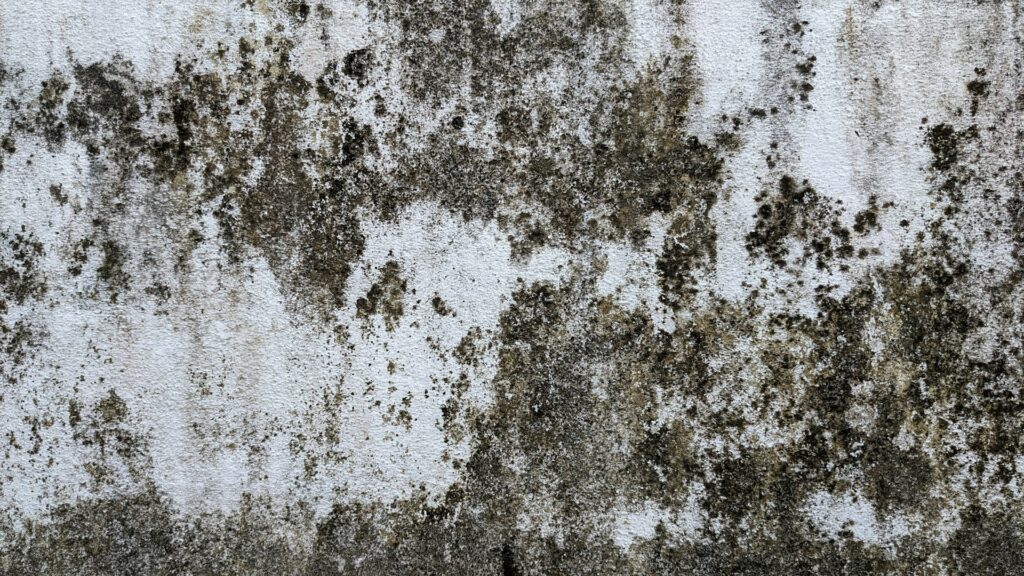
Mold and mildew appear as black, green, or white patches and are often accompanied by a musty odor. 

Tip: Inspect bathrooms, kitchens, and other high-moisture areas. Use a flashlight to check under sinks and in dark corners where mold tends to thrive.

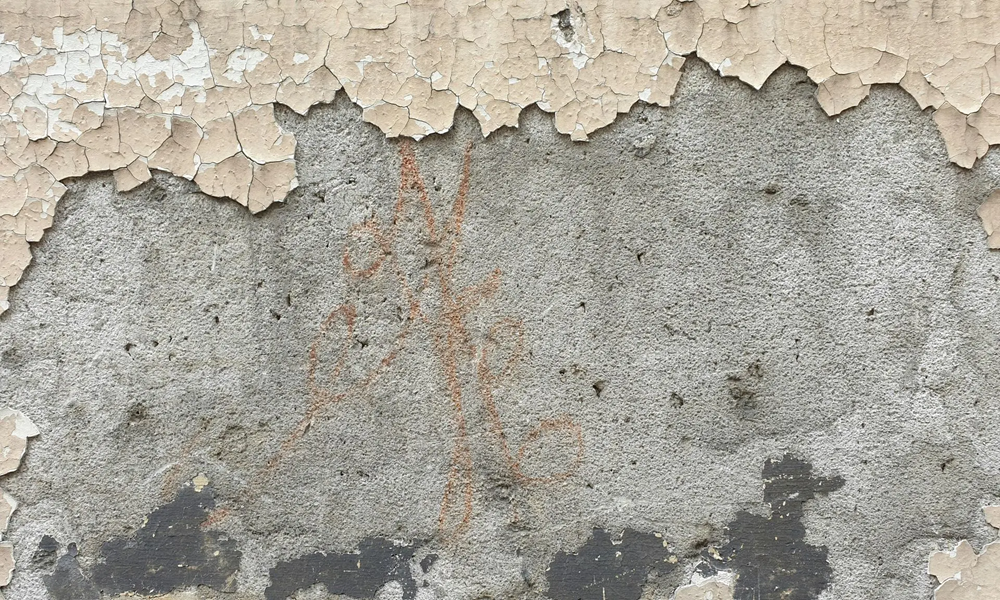
3. Peeling or Bubbling Paint 

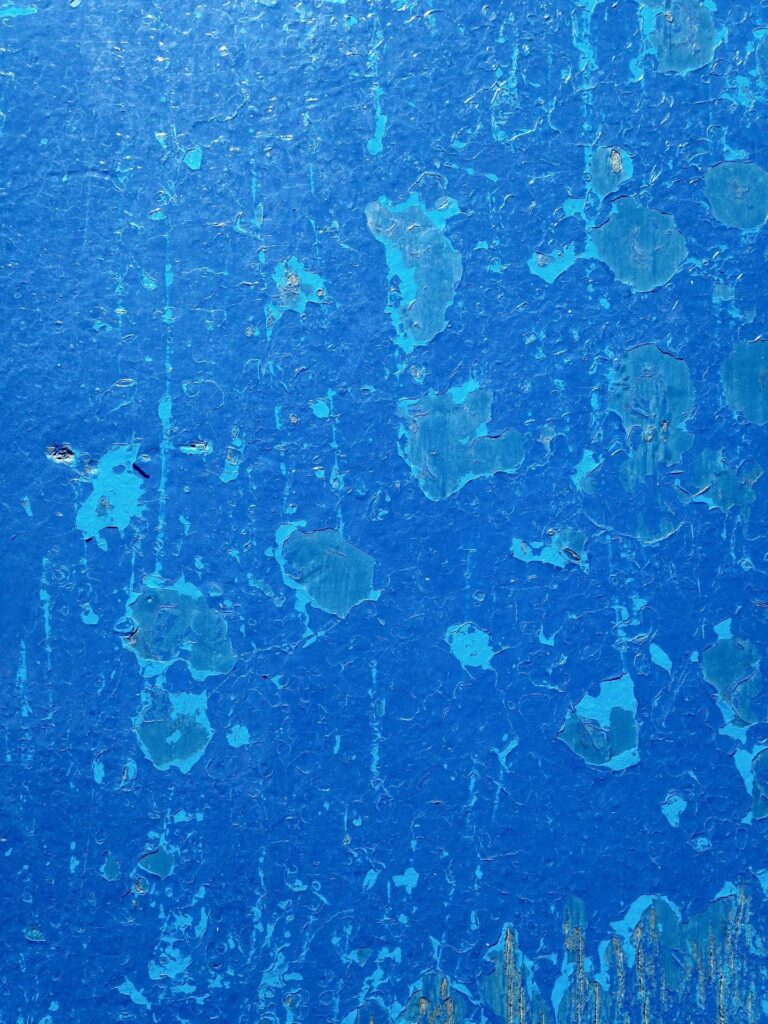
Paint that is peeling, bubbling, or blistering is a clear indicator of moisture problems beneath the surface. 

Tip: Run your hand over painted surfaces to feel for any irregularities. Pay close attention to walls near windows and doors.

4. Cracks in Walls and Floors 

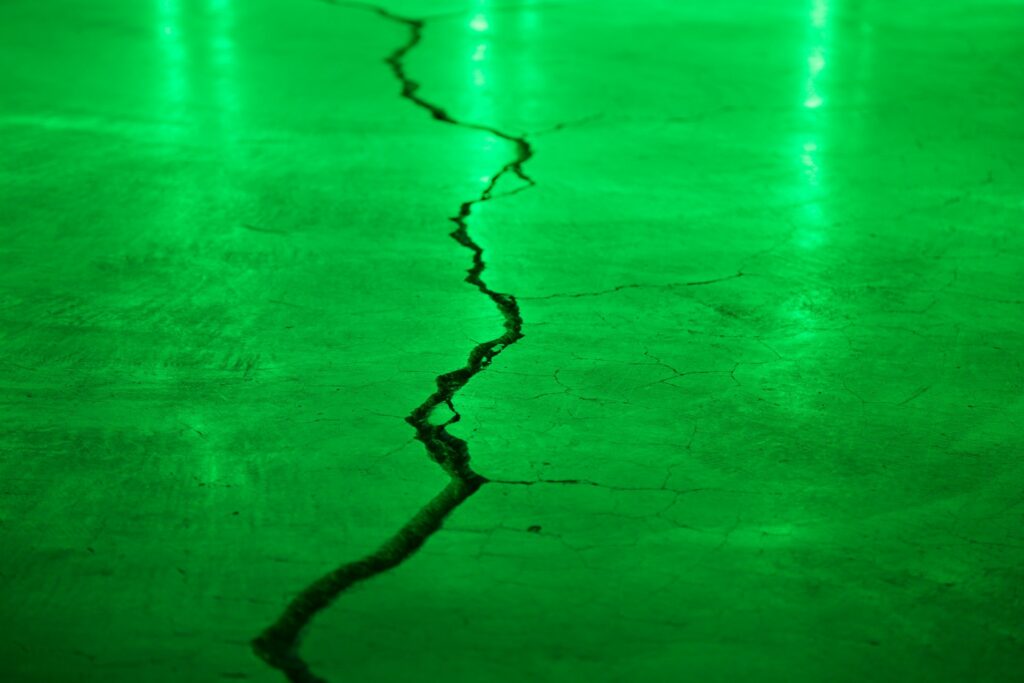
Cracks can appear in various sizes and can be found in concrete, plaster, or tile surfaces. They may indicate water infiltration or structural issues. 

Tip: Examine the exterior and interior walls, as well as the floor surfaces, for any visible cracks. Note if the cracks are widening over time.

5. Efflorescence 

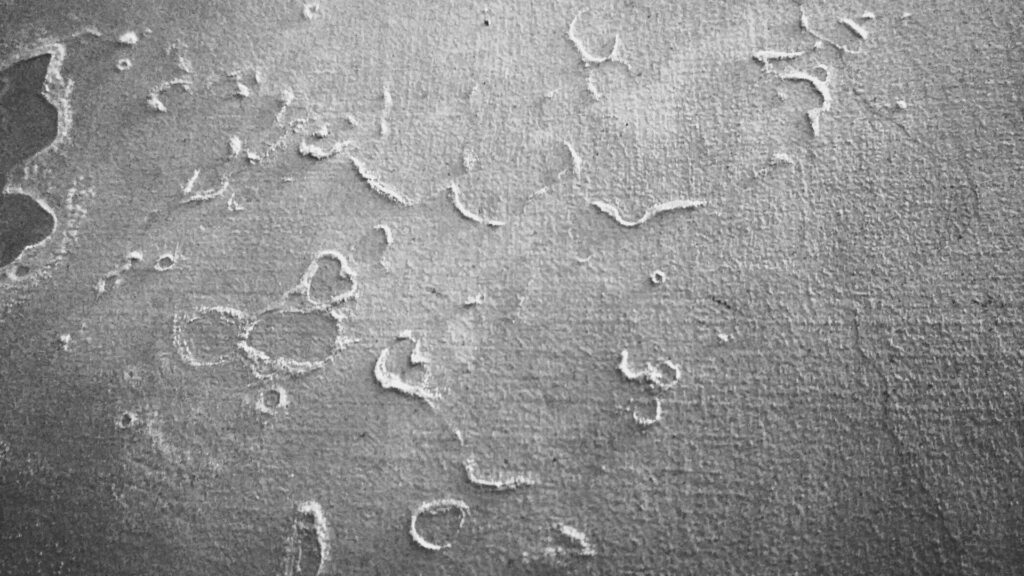
Efflorescence is a white, powdery residue that forms on masonry surfaces due to water-soluble salts being left behind as water evaporates. 

Tip: Check the basement, foundation walls, and exterior brick or stone surfaces for any white, chalky deposits.

6. Damp or Musty Smell 

A persistent damp or musty odor is often a sign of hidden moisture problems within the building structure. 

Tip: Walk through each room and use your sense of smell to detect any unusual odors, particularly in basements and storage areas

7. Warped or Buckling Floors 

Floors that are buckling, warping, or showing signs of moisture damage are a strong indication of poor waterproofing. 

Tip: Inspect wooden and laminate floors for any unevenness or lifting. Press down on suspicious areas to check for sponginess.

Tips for Inspecting a Building for ultimate protection:

  1. Schedule Regular Inspections: Perform routine checks of your property, especially after heavy rains or during the rainy season.
  2. Use a Moisture Meter: Invest in an inexpensive moisture meter to measure the moisture content in walls and floors. This can help you detect hidden water issues.
  3. Inspect the Roof and Gutters: Ensure that the roof is in good condition and that gutters and downspouts are clear of debris to prevent water buildup.
  4. Check Window and Door Seals: Ensure that all windows and doors are properly sealed and that there are no gaps where water can seep in.
  5. Hire a Professional: If you suspect a waterproofing issue but are unsure of its extent, consider hiring a professional waterproofing expert to conduct a thorough inspection and recommend solutions. 

Call GreenBuild Home Solutions for peace of mind! #WaterProofingServicesKenya Call 0700288388
Read more

Protecting Your Property

Protecting Your Property’s Structural Integrity

Waterproofing is a crucial aspect of building construction, ensuring that your property remains safe, durable, and protected from the elements. In this article, we will explore the key trends in waterproofing in Kenya, highlighting the best practices and products for both residential and commercial spaces.

Sustainability is a growing concern in Kenya, and waterproofing is no exception. Building owners and architects are now focusing on eco-friendly waterproofing solutions that not only protect the structure but also reduce the environmental impact. 

Smart waterproofing is another trend that is gaining popularity in Kenya. This involves the integration of advanced technologies like sensors and monitoring systems to detect leaks and potential issues before they become major problems. 

Cost-effective waterproofing solutions are always in demand, especially in Kenya where budget constraints are a significant concern. 

Here are a few brand suggestions

Dr. Fixit is a leading waterproofing brand in Kenya, offering a range of waterproofing products that cater to both residential and commercial spaces. Their products are known for their quality, durability, and effectiveness in protecting buildings from water damage.

Fosroc is another prominent waterproofing brand in Kenya, offering a range of waterproofing products that are both innovative and effective. Their products are known for their sustainability, fire-resistance, and cost-effectiveness.

Sika is a well-known waterproofing brand globally, and it has a significant presence in Kenya. Their products are known for their effectiveness in protecting buildings from water damage and are widely used in both residential and commercial spaces.

Mapei is another prominent waterproofing brand in Kenya, offering a range of waterproofing products that are both innovative and effective. Their products are known for their sustainability, fire-resistance, and cost-effectiveness.

Aquatech is a leading waterproofing brand in Kenya, offering a range of waterproofing products that cater to both residential and commercial spaces. Their products are known for their quality, durability, and effectiveness in protecting buildings from water damage.

Expert Help is Just a Call Away!

Read more

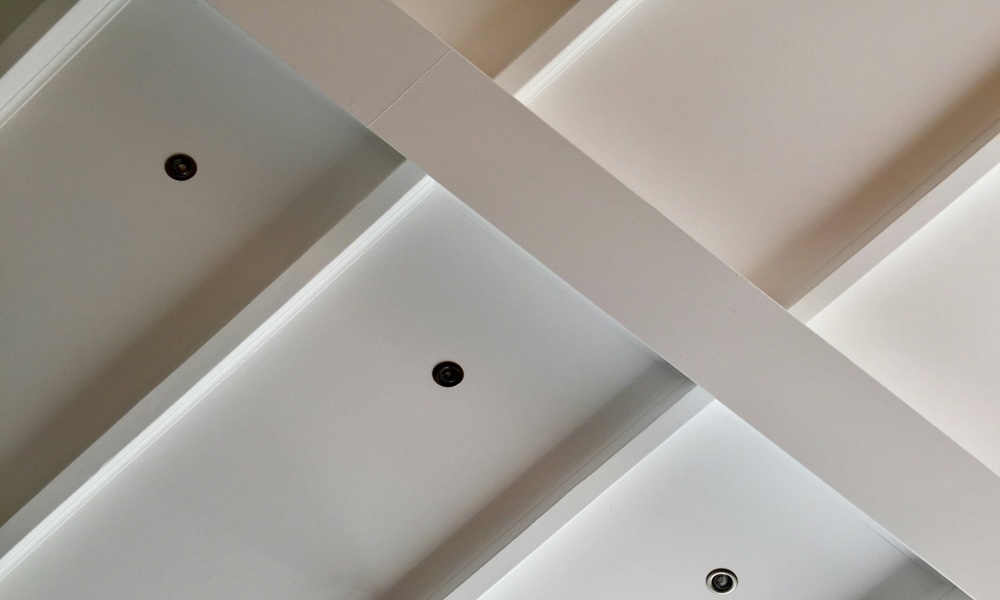
Common Ceiling Waterproofing Problems and Solutions

Ceilings are often overlooked when it comes to waterproofing, yet they are susceptible to a range of issues that can arise from water infiltration. From leaks and dampness to mold growth and efflorescence, these common problems can compromise the integrity of a building and create an unhealthy indoor environment. In this article, we will delve into these common ceiling waterproofing problems and explore how Dr. Fixit products offer effective solutions to address them.

Leaks

Issue: Leaks in ceilings can result from various factors such as roof damage, plumbing leaks, or poor waterproofing. Water seeping through ceilings not only causes unsightly stains but also poses a risk of structural damage and mold growth.

Dr. Fixit Solution: Dr. Fixit offers a range of leak-proof coatings and sealants that effectively seal cracks and gaps in ceilings, preventing water ingress and leakage. These products provide a durable barrier against water infiltration, ensuring a watertight seal for long-lasting protection.

Dampness

Issue: Dampness in ceilings can be caused by condensation, rising damp, or water leaks. Persistent dampness can lead to paint peeling, mold growth, and structural deterioration if left unaddressed.

Dr. Fixit Solution: Dr. Fixit’s damp-proof coatings and membranes are designed to combat dampness by creating a moisture-resistant barrier on ceilings. These products help prevent water penetration, reduce humidity levels, and protect the structure from moisture-related damage.

Mold Growth

Issue: Moisture accumulation in ceilings provides an ideal environment for mold growth, which not only affects the aesthetics of the space but also poses health risks to occupants.

Dr. Fixit Solution: Dr. Fixit offers mold-resistant coatings and treatments that inhibit mold growth on ceilings. These products contain anti-fungal properties that prevent mold formation, ensuring a clean and healthy indoor environment.

Efflorescence

Issue: Efflorescence is a common problem in ceilings where white, powdery deposits form due to water-soluble salts leaching through the surface. This not only detracts from the appearance of the ceiling but also indicates underlying moisture issues.

Dr. Fixit Solution: Dr. Fixit’s efflorescence control products help prevent the formation of efflorescence on ceilings by blocking the migration of salts through the surface. These solutions effectively mitigate efflorescence formation and maintain the aesthetic appeal of the ceiling.

Addressing common ceiling waterproofing problems is essential to maintain the integrity and aesthetics of a building. By utilizing Dr. Fixit’s range of high-quality waterproofing products tailored for specific issues like leaks, dampness, mold growth, and efflorescence, you can effectively protect your ceilings from water damage and ensure a safe and healthy indoor environment for years to come.

Read more

Step by Step Guide  to Ceiling Waterproofing

Step-by-Step Guide to Waterproofing Ceilings

Waterproofing ceilings is essential to protect buildings from water damage, mold growth, and structural deterioration. By following a systematic approach and using high-quality products like those offered by Dr. Fixit, you can effectively waterproof different types of ceilings. In this comprehensive guide, we will walk you through the step-by-step process of waterproofing ceilings using Dr. Fixit products, covering surface preparation, product selection, application techniques, and curing.

Surface Preparation

1. Inspect the Ceiling – Begin by inspecting the ceiling for any cracks, gaps, or signs of water damage. Address any existing issues before proceeding with waterproofing.

2. Clean the Surface – Thoroughly clean the ceiling surface to remove dirt, dust, grease, and any other contaminants that may hinder adhesion of the waterproofing products.

3. Repair Cracks and Holes – Fill in any cracks or holes in the ceiling using Dr. Fixit Crack-X Paste or similar repair products to ensure a smooth and even surface.

Smooth Out Uneven Areas: Sand down any rough or uneven areas on the ceiling to create a uniform surface for better product application.

Product Selection

4. Choose the Right Product – Select a Dr. Fixit waterproofing product suitable for the type of ceiling you are working on (concrete, metal, wood, etc.) and the specific waterproofing requirements.

5. Consider Application Method –  Depending on the product chosen, determine whether it needs to be applied as a coating, membrane, sealant, or other form for optimal waterproofing results.

Application Techniques

6. Priming – Apply a coat of Dr. Fixit Primer or suitable primer recommended for the specific product being used to enhance adhesion and penetration into the substrate.

7. Apply Waterproofing Product – Follow the manufacturer’s instructions for mixing and applying the waterproofing product onto the ceiling surface. Use a brush, roller, or sprayer as recommended for even coverage.

Ensure Even Application – Ensure that the waterproofing product is applied evenly across the entire ceiling surface to create a seamless protective barrier against water ingress.

Allow for Drying/Curing Time: Allow the waterproofing product to dry/cure as per the manufacturer’s guidelines before applying additional coats or finishing treatments.

Curing

8. Protective Layer – Once the waterproofing product has dried/cured completely, consider applying an additional protective layer for enhanced durability and longevity of the waterproofing system.

9. Regular Maintenance – Inspect the waterproofed ceiling periodically for any signs of damage or wear and perform necessary maintenance to ensure continued protection against water infiltration.

By following this step-by-step guide and using Dr. Fixit’s range of high-quality waterproofing products tailored for different types of ceilings, you can effectively supervise the process of waterproofing your ceilings and safeguard your building against water-related issues for years to come.

Read more

Types of Ceilings

Types of Ceilings and Waterproofing Challenges

Ceilings come in various materials such as concrete, metal, wood, and others, each presenting unique waterproofing challenges. Understanding these differences is crucial for effectively addressing waterproofing needs and ensuring the longevity of the building. In this article, we will explore the different types of ceilings and the specific waterproofing challenges associated with each.

Concrete Ceilings

Waterproofing Challenge – Concrete ceilings are prone to cracking over time due to structural movement, temperature changes, and settling. These cracks can allow water infiltration, leading to leaks, dampness, and mold growth. Additionally, concrete surfaces are porous, making them susceptible to water absorption and subsequent damage.

Solution – To waterproof concrete ceilings, it is essential to fill and seal any cracks with appropriate sealants or waterproofing compounds. Applying a waterproof coating or membrane over the concrete surface can provide an additional layer of protection against water ingress.

Metal Ceilings

Waterproofing Challenge – Metal ceilings, commonly found in industrial and commercial buildings, are susceptible to corrosion and rust when exposed to moisture. Condensation can also form on metal surfaces, leading to water accumulation and potential leaks.

Solution – Waterproofing metal ceilings involves applying corrosion-resistant coatings or paints to protect the metal from moisture and prevent rust formation. Proper insulation and ventilation can help reduce condensation and minimize water-related issues.

Wood Ceilings

Waterproofing Challenge – Wood ceilings are vulnerable to water damage, warping, and rotting when exposed to moisture. Humidity fluctuations can cause wood to expand and contract, leading to cracks and gaps where water can seep through.

Solution – Waterproofing wood ceilings requires sealing the wood with a suitable sealant or varnish to create a protective barrier against moisture. Regular maintenance, such as resealing and repainting, is essential to preserve the integrity of the wood and prevent water-related damage.

Other Types of Ceilings

Waterproofing Challenge – Other types of ceilings, such as gypsum board or suspended ceilings, also have their unique waterproofing challenges. Gypsum board ceilings can be damaged by water leaks, while suspended ceilings may hide water infiltration issues until significant damage has occurred.

Solution – Waterproofing gypsum board ceilings involves using moisture-resistant gypsum board or applying waterproof coatings to prevent water damage. Regular inspection of suspended ceilings for signs of water stains or sagging can help detect leaks early and prevent extensive damage.

In conclusion, understanding the specific waterproofing challenges associated with different types of ceilings is essential for implementing effective waterproofing solutions. By addressing these challenges proactively and using appropriate waterproofing products and techniques, you can protect your ceilings from water damage, prolong their lifespan, and maintain a safe and healthy indoor environment.

Read more

Ceiling Waterproofing

Ceiling waterproofing is a crucial aspect of maintaining a structurally sound and aesthetically pleasing building. While often overlooked, waterproofing ceilings is essential to prevent water damage, mold growth, and structural deterioration. In this article, we will delve into the importance of ceiling waterproofing, common problems faced without proper waterproofing, and how Dr. Fixit products offer effective solutions for these challenges.

Importance of Ceiling Waterproofing

Water infiltration through ceilings can lead to a host of issues such as staining, peeling paint, mold growth, and even structural damage. Moisture seeping through ceilings can weaken the structure, compromise the integrity of the building, and create an unhealthy indoor environment. By waterproofing ceilings, you can protect your property from these damaging effects and ensure its longevity.

Common Problems Faced

Without proper ceiling waterproofing, buildings are susceptible to various problems. Leaks and seepage through ceilings can result in unsightly water stains, peeling paint, and dampness. These issues not only detract from the aesthetics of the space but also indicate underlying structural issues that need to be addressed promptly. Mold growth due to moisture accumulation can pose health risks to occupants and further deteriorate the building’s condition.

Dr. Fixit Products for Effective Solutions

Dr. Fixit, a renowned brand in the construction industry, offers a range of high-quality waterproofing products specifically designed to address ceiling waterproofing challenges. From leak-proof coatings to sealants and membranes, Dr. Fixit provides innovative solutions that effectively prevent water ingress and protect ceilings from damage.

Dr. Fixit’s products are formulated to withstand harsh weather conditions, UV exposure, and temperature fluctuations, ensuring long-lasting protection for your ceilings. Whether you are dealing with minor leaks or need comprehensive waterproofing solutions for a new construction project, Dr. Fixit has products tailored to meet your specific requirements.

Ceiling waterproofing is a critical aspect of building maintenance that should not be overlooked. By investing in quality waterproofing products like those offered by Dr. Fixit, you can safeguard your property against water damage, mold growth, and structural deterioration. Prioritize ceiling waterproofing to ensure a safe, healthy, and durable living or working environment for years to come.

Read more

Customized Waterproofing Solutions for Kenyan Properties

Waterproofing is a crucial aspect of home maintenance, especially in regions like Kenya where heavy rainfall and humidity can pose significant challenges. When it comes to protecting your home from water damage, a one-size-fits-all approach may not always be the most effective solution. This is where customized waterproofing solutions tailored to the specific needs and requirements of different spaces come into play.

Understanding the Specific Needs of Each Property

Kenyan homes and properties come in various shapes, sizes, and construction types, each presenting unique challenges when it comes to waterproofing. Factors such as the type of construction materials used, the design of the structure, and the local climate all play a role in determining the most effective waterproofing solution for a particular space.

Tailored Waterproofing Solutions with Dr Fix It Products

Dr Fix It offers a range of high-quality waterproofing products that are specifically designed to address the diverse needs of homes in Kenya. From roofs to basements, bathrooms to balconies, Dr Fix It provides customized solutions to ensure long-lasting protection against water damage.

Roof Waterproofing

Roofs are often the first line of defense against water infiltration. Dr Fix It offers specialized products for different types of roofs, including flat roofs, pitched roofs, and metal roofs. These products provide a seamless and durable waterproofing barrier, protecting your home from leaks and moisture damage.

Bathroom Waterproofing

Bathrooms are high-moisture areas that require special attention when it comes to waterproofing. Dr Fix It’s range of bathroom waterproofing solutions ensures that your bathroom remains dry and free from water seepage, preventing mold and mildew growth.

Basement Waterproofing

Basements are prone to water ingress due to their below-ground location. Dr Fix It’s basement waterproofing products create a watertight seal, keeping your basement dry and habitable even during the rainy season.

Customized waterproofing solutions are essential for ensuring the long-term integrity of your home in Kenya. By understanding the specific needs of different spaces and using tailored products like those offered by Dr Fix It, you can protect your home from water damage and enjoy peace of mind knowing that your property is well-protected against the elements.

Contact us for a site visit today! 

Read more

Latest Trends in Basement Waterproofing with Dr. Fixit Products

A dry, secure basement is crucial for a healthy home, and as technology evolves and environmental awareness grows, the field of basement waterproofing is undergoing a revolution. Let’s explore the latest trends in basement waterproofing, highlighting cutting-edge technologies, innovative materials, and eco-friendly solutions that are reshaping the industry.

Permeable Waterproofing Coatings
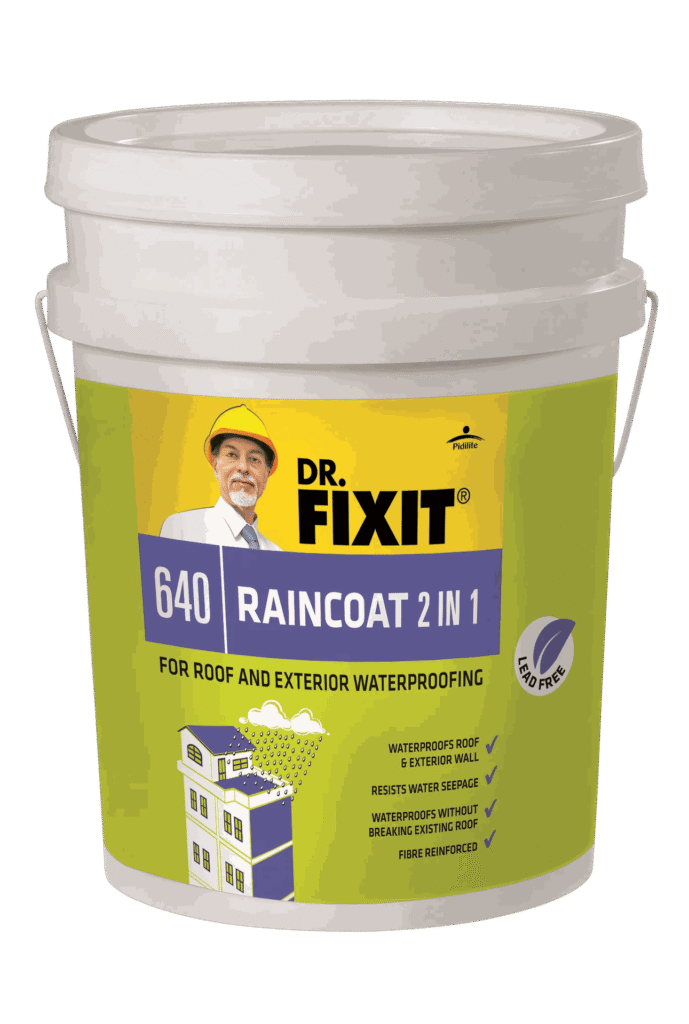
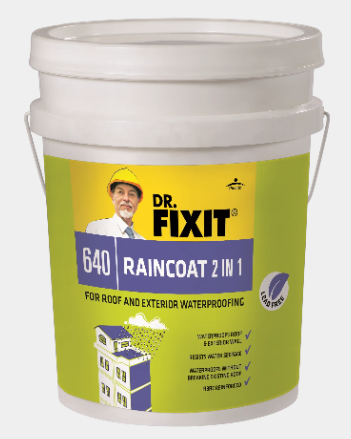
Explore permeable coatings with Dr. Fixit’s breathable technology to allow moisture to escape while preventing mold and mildew growth. Consider products like Dr. Fixit Raincoat, which maintain a dry basement and promote a healthier indoor environment.

Advanced Waterproofing Membranes
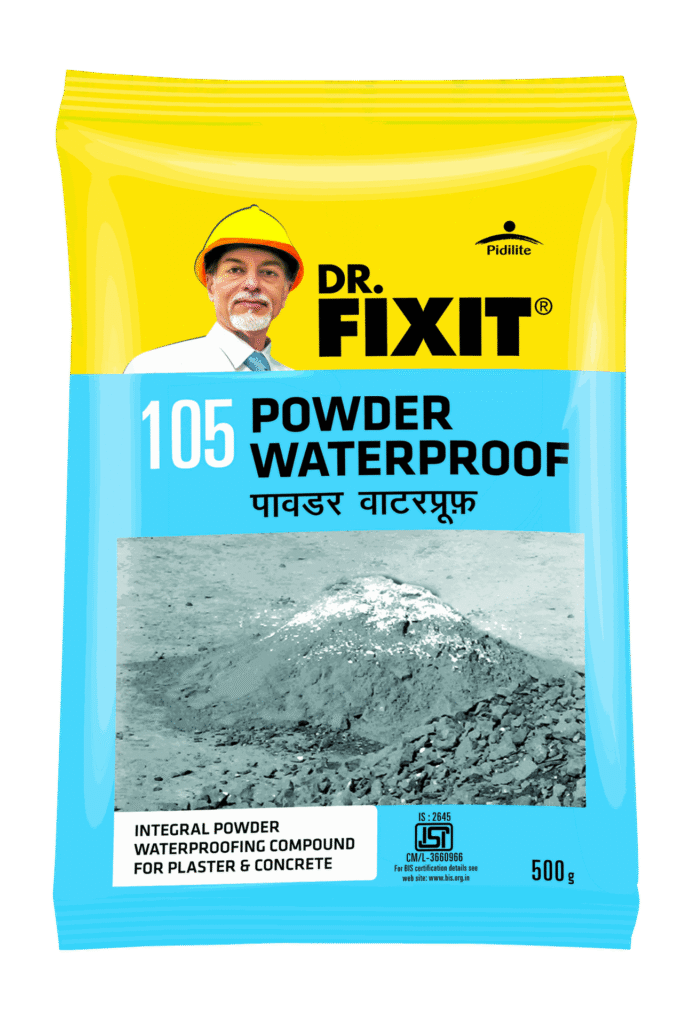
Move beyond traditional methods with Dr. Fixit’s range of advanced waterproofing membranes like Dr. Fixit Powder Waterproof 500g, offering superior protection against water infiltration, mold growth, and structural damage. These membranes ensure a durable and seamless barrier for a watertight basement.

Green and Sustainable Waterproofing Materials
For environmentally conscious homeowners, Dr. Fixit provides eco-friendly options such as waterproofing solutions made from recycled and sustainable materials. Consider products like Dr. Fixit Pidicrete URP, which not only protect your home but also contribute to reducing the environmental impact of construction projects.

Green Roof Waterproofing
For those interested in green roofs, ensure proper waterproofing with Dr. Fixit’s specialized systems like Dr. Fixit Torchshield AP 316, offering seamless integration between the green roof and underlying structure to prevent water damage and maintain ecological functions.

With the increasing demand for efficient, eco-friendly, and technologically advanced basement waterproofing solutions, Dr. Fixit’s innovative products cater to these trends, ensuring your basement remains a dry and secure foundation for your home. Stay informed, embrace these trends, and trust in Dr. Fixit for reliable waterproofing solutions that meet the evolving needs of modern homeowners in Kenya.

Read more