Blog

A Dive into the History of Waterproofing

In the ever-evolving world of construction, one element has proven to be crucial for the longevity and sustainability of structures: waterproofing. This seemingly simple innovation has a rich history, and its importance has only grown with time, especially in the diverse climatic conditions of Kenya. This article takes a deep dive into the history of waterproofing and its indispensable role in modern construction.

Historical Evolution of Waterproofing

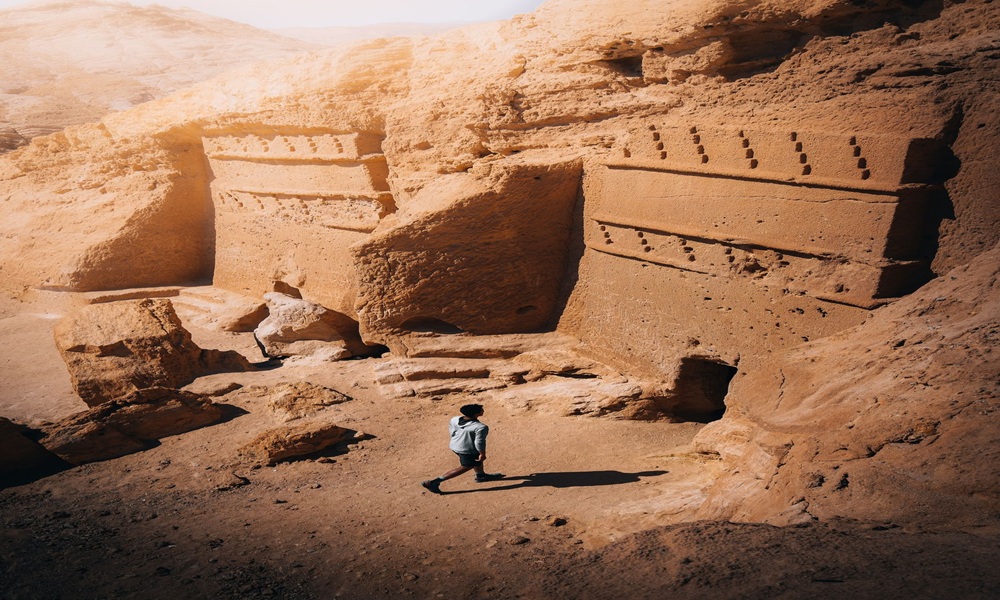
The concept of waterproofing dates back centuries, with ancient civilizations adopting various methods to protect their structures from water damage. Early civilizations like the Greeks and Romans used materials like bitumen and clay to create water-resistant barriers in their structures. The Great Wall of China, another ancient marvel, employed a mixture of sticky rice and lime to waterproof its surfaces.

As time progressed, so did waterproofing techniques. In the 19th century, the Industrial Revolution brought about advancements in materials and technology. The invention of bituminous coatings and asphalt-based waterproofing materials marked a significant leap forward in protecting structures against moisture.

Importance of Waterproofing in Modern Construction

Kenya, with its diverse climate ranging from arid regions to tropical coastal areas, experiences varying levels of rainfall throughout the year. This makes waterproofing a critical aspect of construction to prevent water-related damage such as leaks, mold growth, and structural deterioration. 

Here are some key reasons why waterproofing is essential.
Prevention of Water Damage

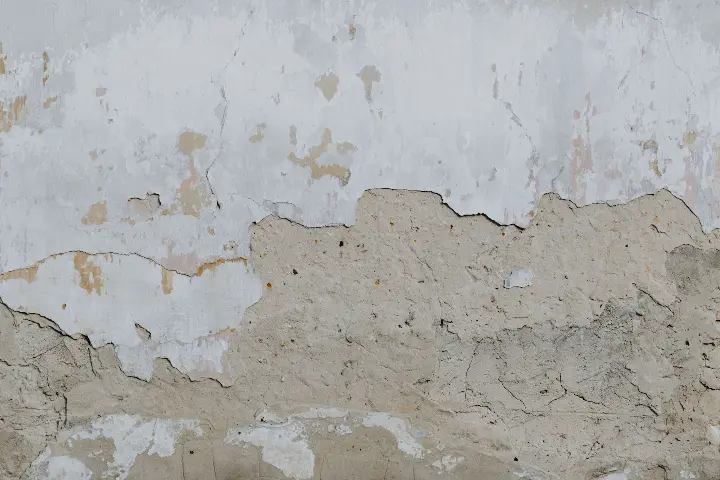
Kenya’s climate includes heavy rains during certain seasons, leading to potential water infiltration. Waterproofing materials act as a barrier, preventing water from seeping into structures and causing damage to foundations, walls, and roofs.

Mold and Mildew Prevention

Humidity levels can be high in Kenya, especially in coastal areas. Waterproofing helps control moisture levels, reducing the risk of mold and mildew growth. This not only preserves the aesthetic appeal of structures but also contributes to the health and well-being of occupants.

Enhanced Durability and Longevity

Waterproofing materials provide an added layer of protection to buildings, increasing their lifespan. By preventing water-induced damage, structures can withstand the test of time and environmental challenges.

Energy Efficiency

Waterproofing solutions often include insulation properties that contribute to energy efficiency. By creating a sealed and insulated environment, buildings can better regulate internal temperatures, reducing the need for excessive heating or cooling.

Infrastructure Development

As Kenya undergoes significant infrastructure development, incorporating waterproofing technologies becomes integral to the longevity and sustainability of roads, bridges, and other key structures.
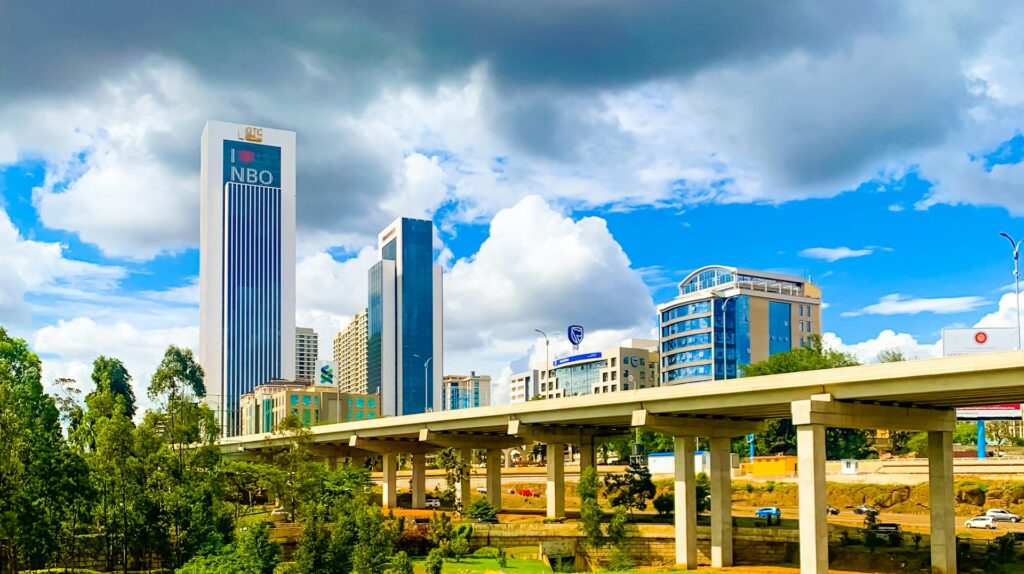
As the construction industry continues to thrive and expand in the country, integrating effective waterproofing solutions will be paramount to ensuring the resilience and durability of structures for generations to come.

If you are embarking on a construction project or seeking to fortify existing structures against the elements, consider partnering with GreenBuild Home Solutions for top-notch waterproofing services. 

Don’t just build; build with confidence, build with durability, build with GreenBuild. Your structures deserve the best, and GreenBuild is here to deliver excellence in waterproofing for a sustainable and secure future.
Read more

Embrace The Rainy Season with GreenBuild

A Guide to a Dry and Safe Environment

During the rainy season, the concern for maintaining a dry and safe environment becomes paramount. No one likes dealing with leaks, dampness, and potential hazards associated with heavy rainfall. In this blog post, we’ll explore how Greenbuild can be your ally in combating the challenges posed by the rainy season.

The rainy season brings its own set of challenges, from leaks in roofs to potential flooding. These issues not only compromise the structural integrity of buildings but also pose risks to the health and safety of individuals. Greenbuild recognizes these challenges and offers effective solutions to help you maintain a secure and dry living or working environment.

Your Shield Against Rainy Season Woes

  1. Waterproofing Solutions: Greenbuild provides cutting-edge waterproofing solutions designed to protect your property from water damage. Whether it’s a leaky roof, seeping walls, or a damp basement, Greenbuild’s products are tailored to keep water at bay.
  2. Safety First: Greenbuild prioritizes safety. The products are designed not only to prevent water damage but also to ensure a safe and secure environment for occupants. Say goodbye to slippery floors and potential electrical hazards associated with water intrusion.

How Greenbuild Works

  1. Site Inspection: The first step involves a thorough assessment of your property. Greenbuild professionals analyze potential vulnerabilities and tailor their solutions to meet your specific needs. Click here to book a free site visit 
  2. Customized Solutions: Greenbuild doesn’t believe in one-size-fits-all solutions. Based on the assessment, they provide customized recommendations to address your property’s unique challenges.
  3. Installation and Maintenance: Once the solution is decided, Greenbuild takes care of installation. Their expert team ensures that the products are installed correctly for optimal effectiveness. 

As the rainy season looms, it’s time to take proactive steps to ensure your property remains dry and safe. Greenbuild stands as a reliable partner in this endeavor, offering tailored solutions that not only protect your property but also contribute to a sustainable future. Embrace the rainy season with confidence, knowing that Greenbuild has got you covered. 

Say goodbye to leaks, dampness, and safety concerns – and welcome a dry and secure environment with open arms.

Read more

Traditional Vs Modern Waterproofing

Waterproofing is an essential aspect of construction, and the use of APP membranes has been a popular choice for many years. 

 However, with the advancement of technology, there has been a shift towards more modern waterproofing solutions. Here is a comparison of traditional vs modern waterproofing using APP membrane.

 Traditional Waterproofing

  • APP membranes have been used for many years and are considered a traditional waterproofing solution.
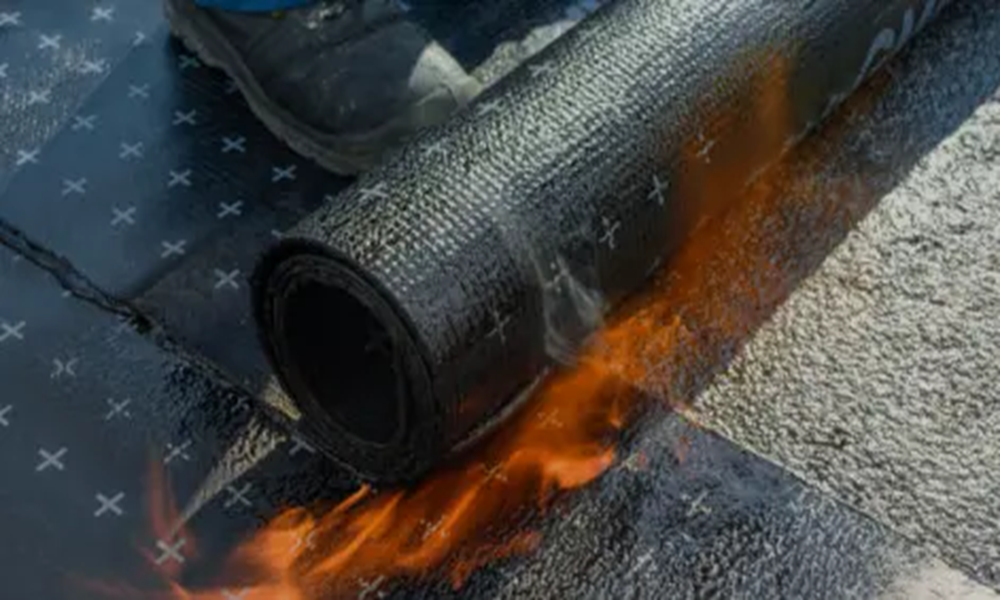
  • They are made of modified bitumen and are applied to the surface of the structure using a torch.

APP membranes are durable and provide excellent protection against water damage.

  • However, they are not environmentally friendly and can emit harmful fumes during installation.

 Modern Waterproofing

  • The latest trend in waterproofing solutions is the use of synthetic polymer waterproofing membranes.
  • These membranes are highly durable and flexible, providing superior protection against water damage.
  • They are available in both sheet-based and liquid-applied forms, making them suitable for a wide range of applications.
  • Synthetic polymer waterproofing membranes are environmentally friendly and do not emit harmful fumes during installation.
  • They are also more cost-effective than traditional APP membranes.

In conclusion, while traditional APP membranes have been a popular choice for waterproofing solutions, the latest trend is towards more modern and sustainable solutions. Synthetic polymer waterproofing membranes offer superior protection against water damage, are environmentally friendly, and cost-effective. 

 As the construction industry continues to evolve, it is essential to stay up-to-date with the latest trends and technologies to ensure that your structure is protected and sustainable.

 Check out our APP Range of Products

Read more